

Forestry Mulching in Chattanooga, TN
Kudzu, privet, cedar, and standing timber ground into slope-holding cover in a single pass – the clearing method matched to Ridge and Valley terrain on both sides of the state line.
Why Choose Us
Forestry Mulching: Before & After
What the same ground looks like when the machine leaves.
Example Cut Brush project: choked understory to walkable, covered ground in one visit
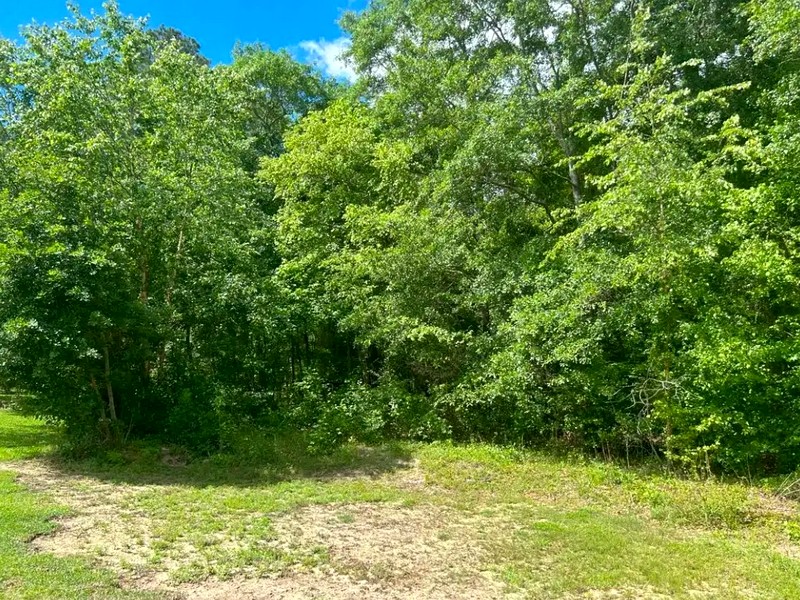
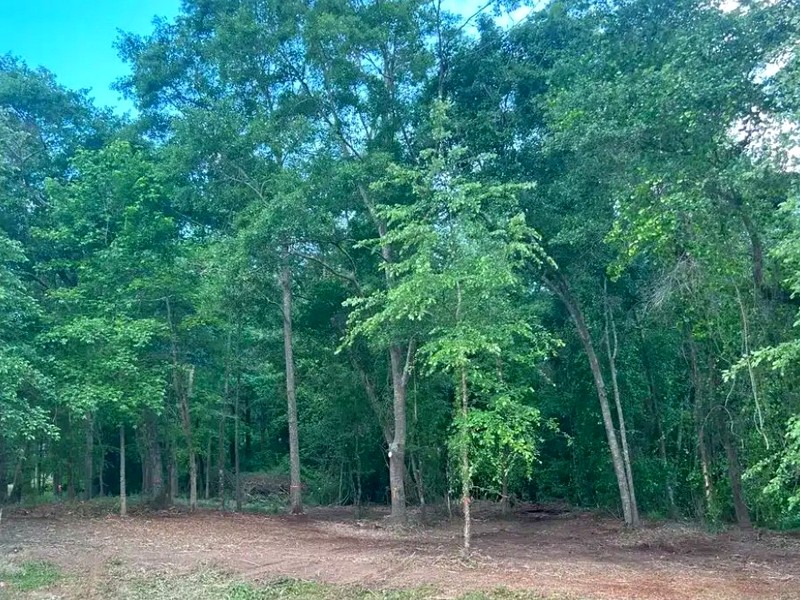
The entire debris load stayed on site as cover – example Cut Brush project
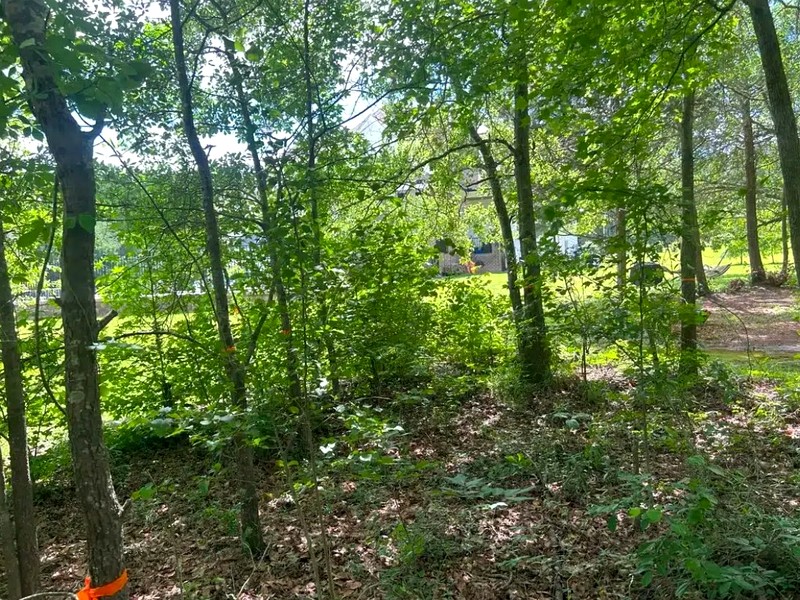
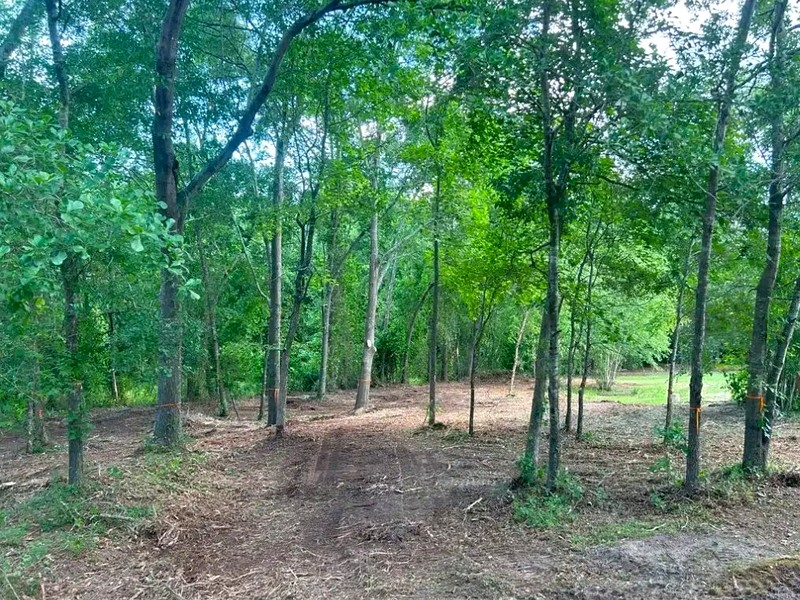
Forestry Mulching in Chattanooga: Made for Slopes and Rocky Ground
Forestry mulching sends a tracked carrier with a carbide drum through standing trees, brush, and vine mats and leaves the whole tangle behind as a layer of ground-up wood, right where it stood. One machine, one pass, no burn piles, no dump trucks, no scraped-bare dirt. Plenty of regions like that pitch; the Chattanooga area practically requires it. Between the grades, the karst, and a state line that splits the metro into two permitting worlds, the method that touches the soil least is the method that causes the fewest problems here.
Cut Brush offers forestry mulching across Greater Chattanooga: Hamilton County from Soddy-Daisy to Apison, Cleveland and the Bradley County corridor, and the North Georgia exurbs around Ringgold, Fort Oglethorpe, and Chickamauga.
On Sloped Ground, the Mat Is the Point
Ridge and Valley topography sheds rainwater fast. Strip a benched hillside to bare dirt and the next storm starts moving your soil downhill toward whoever lives below you. Mulching flips that outcome: the drum leaves several inches of shredded wood bonded into the surface, root systems stay in the ground holding the slope, and rainfall lands on cover instead of clay. On the pitches where clearing is safe to do at all, mulching is the version of it that does not manufacture an erosion problem. And where a grade is genuinely beyond safe machine work, near the rimrock and the steepest plateau flanks, we say exactly that at the walk-through rather than finding out with a machine on the hill.
The 1,000-Square-Foot Question
Inside Chattanooga city limits, a Land Disturbing Permit applies once 1,000 square feet of ground gets disturbed, one of the lower triggers you will find anywhere, and it comes with a $250-per-acre fee. That threshold speaks in terms of disturbed soil: grading, excavation, exposed dirt. Mulching, done as mulching, cuts vegetation above the surface and leaves the soil profile alone, which is why it so often proceeds where blade work would mean permits, plans, and lead time. Pair it with grading and the rules return, so we scope honestly and confirm your parcel's situation with the city when it is close. On the Georgia side, where local issuing authorities permit land disturbance even under an acre, the same logic applies with different paperwork.
Burning Debris Here Is a Calendar Puzzle. Mulching Deletes the Calendar.
Tennessee allows open burning near woodland only with a free forestry permit, and only from October 15 through May 15. Georgia bans open burning of yard and land-clearing debris outright from May 1 through September 30 in Catoosa and Walker counties, and outside the ban a development-related clearing burn still needs ranger notification, distance rules, and daylight hours. A landowner juggling those two calendars across one metro has our sympathy. A mulching customer never opens either rulebook, because the debris becomes the ground cover the moment it is cut.
What the Drum Handles in This Metro
The local vegetation lineup is formidable. Kudzu, which Tennessee foresters warn can put on more than a foot of growth in a day, drapes the ridges and fence lines. Chinese privet, holder of the top spot on the Georgia Forestry Commission's "Dirty Dozen" list since 2009, walls off creek bottoms. Autumn olive, listed as a Severe Threat by Tennessee's invasive plant council, spreads through old fields, mimosa works the roadsides and streambanks, and eastern red cedar colonizes every thin-soiled limestone opening. The drum processes all of it, along with the pines and mixed hardwoods above it, in the same pass. Chert and surface rock in the local soils are part of the plan too: hard on teeth, accounted for in the quote, never a surprise invoice.
What It Costs
Cut Brush quotes forestry mulching at $1,500 to $4,000 per acre in the Chattanooga area. Open understory and light brush sit at the bottom of the band; steep, rocky, or stem-dense ground climbs toward the top. The Chattanooga pricing guide shows how the bands work, and the walk-through converts them into one written number for your parcel.
How Forestry Mulching Works
Three steps from overgrown to usable, with a written number before any machine moves.
Assess Slope, Rock, and Rules
Grades, stem sizes, chert, karst features, and the applicable state and city thresholds all get evaluated on your ground before the quote goes to paper.
Mulch in One Pass
The drum works through brush, vines, and trees and leaves the parcel under an even layer of ground wood. Typical residential jobs finish in one to three days.
Leave Nothing But Cover
No piles to burn, no loads to haul, no bare dirt waiting for a storm. The day the machine loads out, the project is genuinely done.
Why Property Owners Choose Cut Brush
The right machine for the ground, straight answers on the rules, and land you can use when we leave.
Slope-Holding Finish
Roots stay anchored and the mat takes the rain, so cleared hillsides stay hillsides instead of becoming gullies.
Gentle on Karst
No excavation means drainage into sinkhole-prone limestone stays the way the valley floor is used to.
Immune to Burn Seasons
Tennessee’s October-to-May permit window and Georgia’s summer ban are both irrelevant when nothing needs burning.
Often Below the Trigger
Because mulching can leave soil in place, it may be treated differently from grading; the city should confirm whether the proposed scope counts as regulated land disturbance.
Eats the Local Invasives
Kudzu mats, privet walls, autumn olive, mimosa, and cedar all go through the same drum on the same visit.
Quoted From Your Ground
The number comes from walking the parcel, and the number you approve is the number you pay.
Get a Free Forestry Mulching Quote
Describe the parcel, get a real number, decide on your own time. Want the ranges first? Start with the Chattanooga, TN pricing guide.
Request a Free QuoteRelated Services
If the project is bigger than forestry mulching, the rest of our clearing work covers the Chattanooga Area too.


Forestry Mulching Across the Chattanooga Area
We provide forestry mulching in these Hamilton, Bradley, Catoosa, and Walker County communities.
Forestry Mulching FAQ
Ready to Put Your Land Back to Work?
Free written quotes for forestry mulching anywhere in Chattanooga & North Georgia.
Get Your Free Forestry Mulching QuoteOr call us directly: (919) 525-3950