

Brush Clearing & Overgrowth Removal in Martinsburg, WV
Multiflora rose, autumn olive, tree of heaven, and old-field cedar across Berkeley, Jefferson, and Morgan counties – ground into cover on site, with a straight answer about regrowth.
Why Choose Us
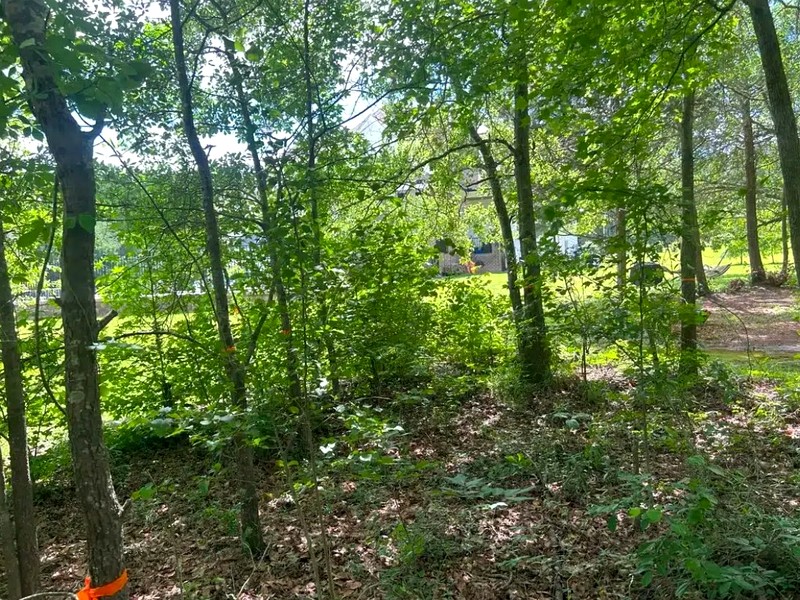
Brush Clearing: Before & After
What the same ground looks like when the machine leaves.
Example Cut Brush project: a wall of woody overgrowth ground back to open cover
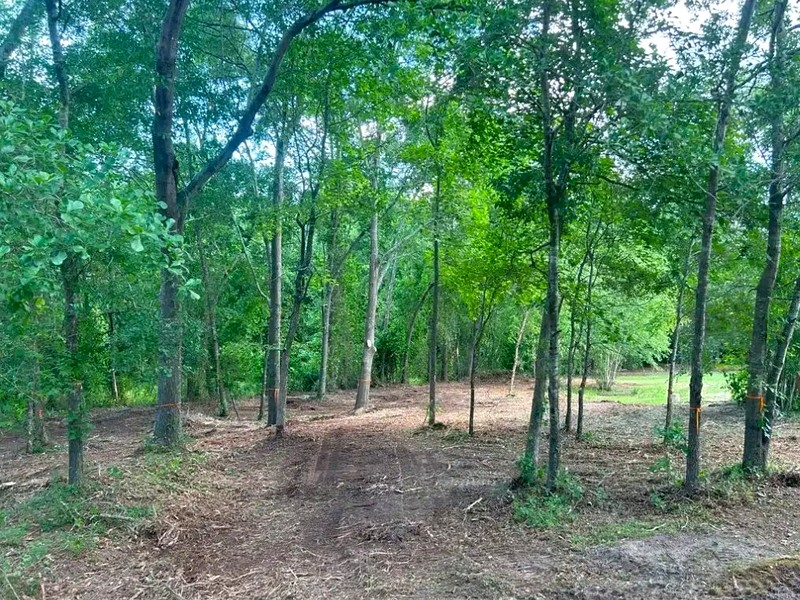
Example Cut Brush project: a field edge won back from years of woody encroachment
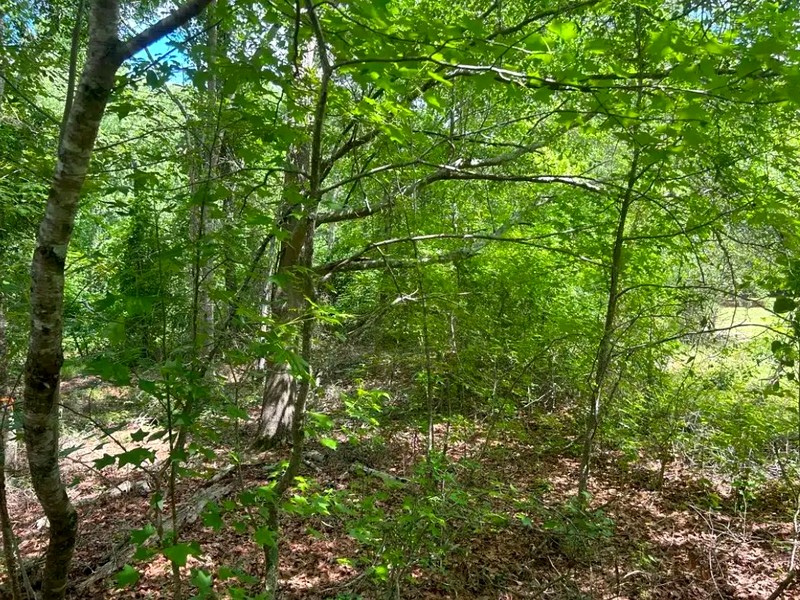
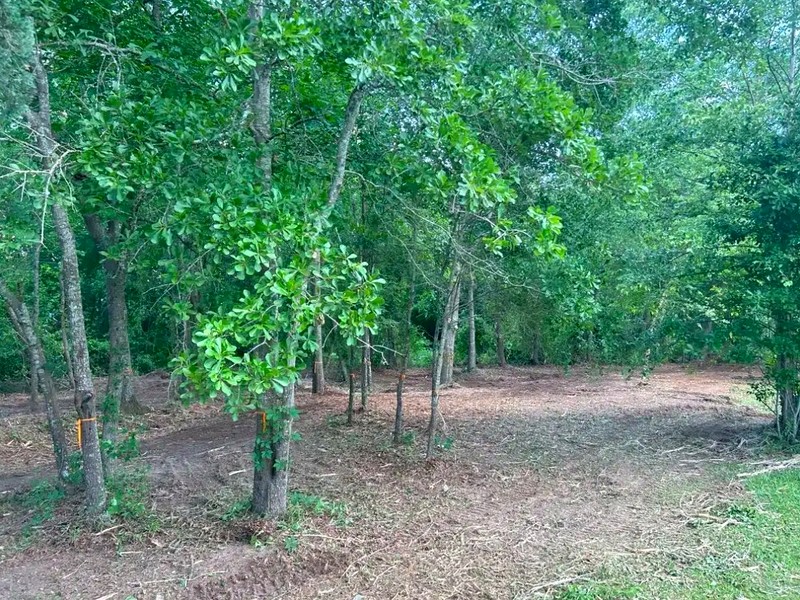
Brush Clearing in Martinsburg: Push Back the Overgrowth
West Virginia planted more than 14 million multiflora rose bushes across the state in the 1940s through 60s, promoted to farmers as living fence and wildlife cover. The fence took. Add autumn olive, which builds thickets dense enough to shade pasture grass out of business, tree of heaven with its spotted lanternfly passengers, Japanese honeysuckle stitching the field edges shut, and eastern red cedar marching into every idle limestone field, and you have the standing inventory of an untended Panhandle parcel. Brush clearing is how that inventory gets liquidated.
Cut Brush cuts overgrowth back to open, usable ground across Berkeley, Jefferson, and Morgan counties: pastures, fence lines, field edges, house perimeters, creek-adjacent ground along the Opequon, and whole parcels that got away from their owners a decade ago.
The Lineup, and Why Each One Wins Untended Ground
- Multiflora rosePlanted by the millions, spread by birds ever since; forms armored thickets that no tractor mower survives an argument with.
- Autumn oliveThe pasture killer: one of the most common invasive brush species in West Virginia, and it resprouts after cutting, so removal is round one rather than the whole fight.
- Tree of heavenThe spotted lanternfly's preferred host, in two quarantined counties; state agriculture officials ask landowners to keep watch on exactly these stands.
- Eastern red cedarNot an invasive, just relentless: the first tree into any abandoned limestone field, and capable of holding it for sixty years if nobody intervenes.
- Japanese honeysuckleLaces through forest edges and fence lines, binding everything else into a single wall.
Cutting Is Half the Job; Strategy Is the Other Half
Anyone with a machine can knock brush down once. The species above regrow, which is how they got their reputations, and WVU Extension's integrated guidance is clear-eyed about what actually works: mechanical removal combined with targeted herbicide over multiple years, with treatment timed to late summer or fall. Our part is the decisive mechanical reset, grinding years of thicket into ground cover in a day or two, and the honest conversation that follows: what will resprout, when it should be treated, and what a maintenance pass costs. Owners who get that plan keep their ground. Owners who get a one-time miracle pitch usually get their thicket back.
Machinery Sized to the Problem, and to the Rock
A bush hog is a mowing tool, and Panhandle overgrowth left mowing territory years ago: stems measured in inches, rose canes that strip hydraulic lines, cedar with real trunks. Our mulching equipment grinds all of it and lays it back down as cover rather than windrows of shredded stalks. The geology sweetens the argument. Karst shows itself in these fields as ribbons of exposed limestone, and a drum working above grade takes the brush and spares the rock, where blade equipment tends to find it the expensive way. The ground beneath, Hagerstown clay at 35 to 60 percent in the subsoil, stays covered instead of scraped bare.
Nothing Burned, Nothing Hauled, Nothing Quarantine-Shaped
Two local rules make mulch-in-place the obvious brush disposal answer. First, the burn clock: during West Virginia's spring and fall fire seasons, open burning is illegal from 7 a.m. to 5 p.m., leaving overnight fires ringed by a mandatory 10-foot cleared strip, with fines from $100 to $1,000 plus a civil penalty for violations. Second, the spotted lanternfly quarantine covers both Berkeley and Jefferson counties, and the cleanest way to handle regulated-area vegetation is to never move it at all. Ground into mulch, your brush stays as ground cover on your own land, and both rules become somebody else's reading material.
What Reclaimed Ground Is Worth Here
On working land, autumn olive and rose steal grazing footage a few feet a year, and pushing the brush line back is the cheapest acreage you will ever acquire, because you already own it. Around houses, a cleared perimeter changes how a property lives day to day. And for anyone selling: Berkeley County alone has roughly $103 million of rural land on the market, which means presentation is competition. A parcel a buyer can walk end to end argues its own case.
How Brush Clearing Works
Three steps from overgrown to usable, with a written number before any machine moves.
Inventory the Overgrowth
We identify what is actually out there: rose, autumn olive, tree of heaven, cedar, the odd fence post swallowed years ago, and any rock or depression the machine should respect. Scope and price arrive in writing.
Grind and Cover
The mulching head takes the thicket down to ground level and lays it back as cover. No piles, no smoke, no trucks leaving with material.
Set the Regrowth Plan
Before we leave, you get the honest version of what resprouts, when to treat it, and what a maintenance pass costs, so the thicket never rebuilds.
Why Property Owners Choose Cut Brush
The right machine for the ground, straight answers on the rules, and land you can use when we leave.
Rose Thickets Are Routine
Fourteen million planted statewide means nearly every old fence line carries some. Armored canes and all, the drum processes them like everything else.
Pasture Economics
Autumn olive shades out grass and steals grazing acreage year by year. Reclaiming the edges puts measurable ground back to work.
Lanternfly-Smart
Tree of heaven gets targeted, all material stays on site, and the two-county quarantine stays a non-issue for your project.
Rock-Tolerant Method
Exposed limestone ribbons ruin blades and mowers. A drum working above grade clears around the geology instead of colliding with it.
The Burn Clock Never Starts
In-season fires are illegal 7 a.m. to 5 p.m. and demand a 10-foot cleared strip around every pile. We produce nothing that needs one.
Honest About Round Two
Invasive brush resprouts. We say so up front and quote the maintenance plan alongside the clearing instead of dodging the question.
Get a Free Brush Clearing Quote
Describe the parcel, get a real number, decide on your own time. Want the ranges first? Start with the Martinsburg, WV pricing guide.
Request a Free QuoteRelated Services
If the project is bigger than brush clearing, the rest of our clearing work covers the Eastern Panhandle too.


Brush Clearing Across the Eastern Panhandle
We provide brush clearing in these Berkeley, Jefferson, and Morgan County communities.
Brush Clearing FAQ
Ready to Put Your Land Back to Work?
Free written quotes for brush clearing anywhere in Martinsburg & the Eastern Panhandle.
Get Your Free Brush Clearing QuoteOr call us directly: (919) 525-3950