

Land Clearing in Martinsburg, WV
Homesites, acreage, and development ground across Berkeley, Jefferson, and Morgan counties – cleared with the limestone underneath treated as the first fact of the job.
Why Choose Us
Land Clearing: Before & After
What the same ground looks like when the machine leaves.
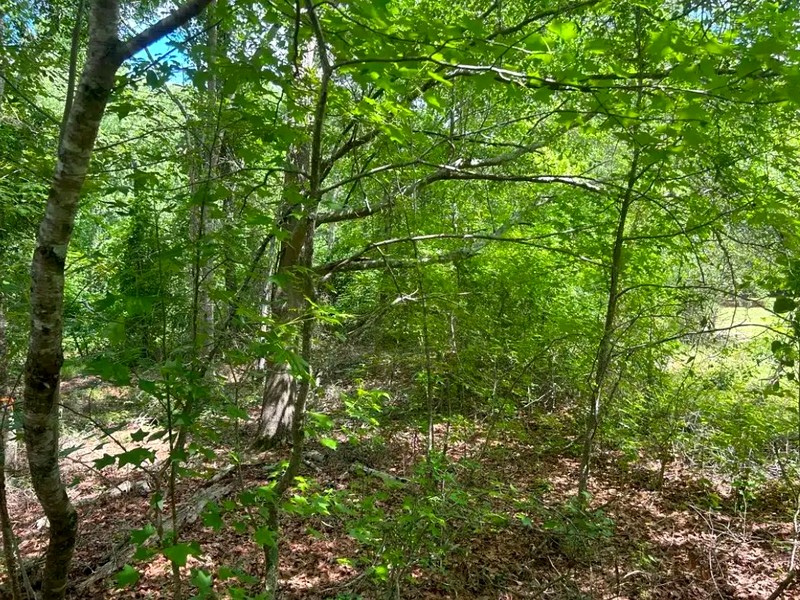
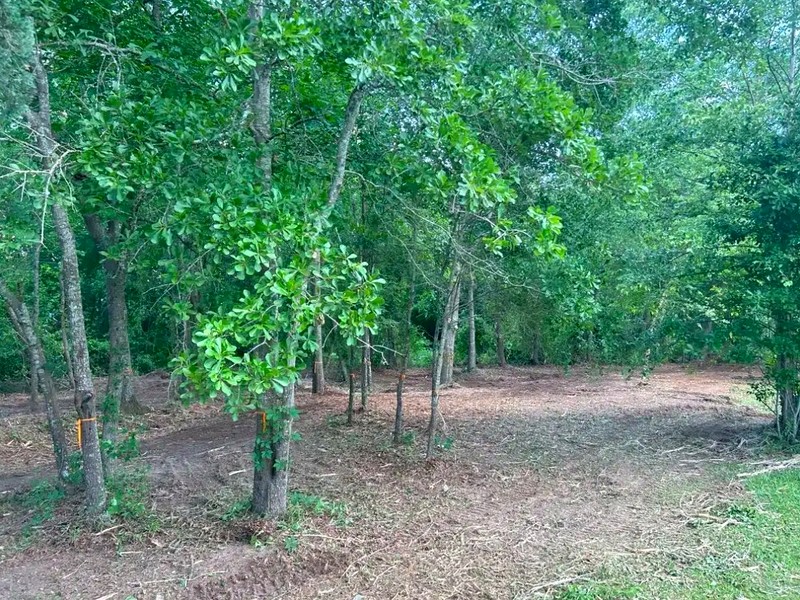
Example Cut Brush project: heavy cover taken down to a walkable mulch finish in a single visit
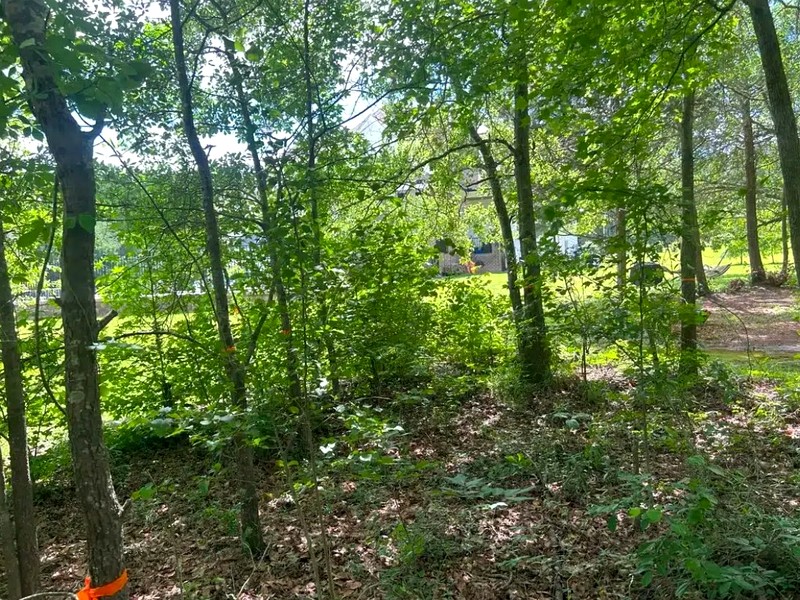
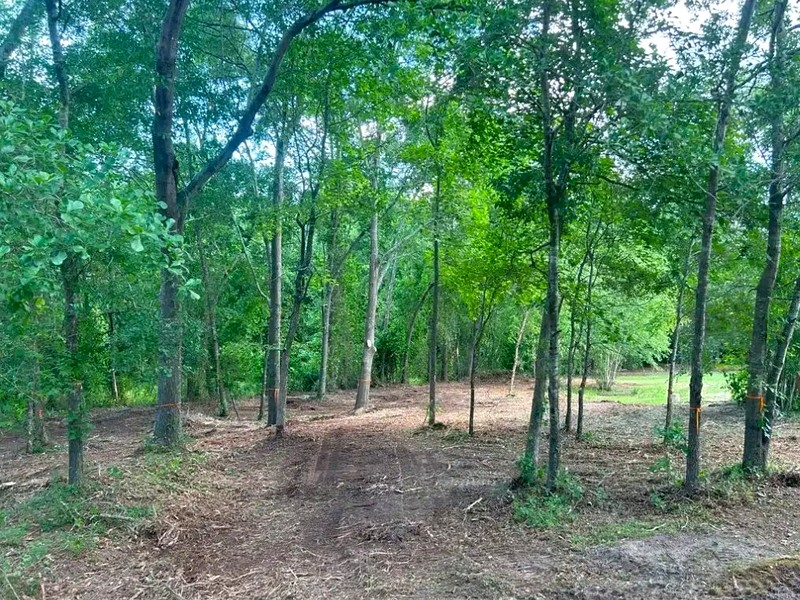
Example Cut Brush project: acreage opened up without stripping the soil underneath
Land Clearing in Martinsburg: Open Up Your Panhandle Property
Berkeley County has added more than a third to its population since 2010 and now leads West Virginia in growth; Jefferson County sits right behind it. Housing at roughly half DC-metro prices, a commuter train out of downtown Martinsburg, and an I-81 corridor stacking up nine-figure employers have turned Panhandle acreage into some of the most in-demand ground in the state. Wooded parcels along WV 9 and the interstate are becoming homesites, pastures are becoming subdivisions, and land that sat untouched for a generation suddenly has plans drawn on it. Land clearing is the step where those plans meet the dirt, and in this region the dirt has opinions.
Cut Brush clears homesites, acreage, pasture edges, and development tracts throughout Berkeley, Jefferson, and Morgan counties, and we clear them the way this geology demands: low-disturbance first, with the rock always in mind.
The Rock Decides the Method
The valley between North Mountain and the Shenandoah is dissolved limestone, and Jefferson County holds more karst by percentage than any county in West Virginia. On this ground the wrong clearing approach is not just messy, it is risky. The documented sinkhole triggers are diverted drainage, dewatering, vibration, and heavy point loading, and the area has a recent object lesson: the Rockwool plant project in Ranson produced 19 sinkholes during construction. In mature karst, a sinkhole can open within hours. Our standard approach, mulching vegetation where it stands, avoids the excavation and drainage changes that start that chain. Tracked machines spread their weight, stay in motion, and get routed around the closed depressions we flag on the walk-through.
Clay on Top, Fast Water Underneath
Over the limestone sits Hagerstown-series soil, formed from the rock's own residuum, with a subsoil running 35 to 60 percent clay. It is the reason this valley farms so well and the reason it ruts so easily: the clay holds water long after a storm passes. Timing and tracked equipment answer the first problem. The second problem is what the karst does with runoff. Sinkholes connect the surface directly to fast-moving groundwater, so sediment washing off a stripped site can reach an aquifer in short order. A clearing method that finishes with a mulch mat instead of bare dirt filters that runoff before the rock ever receives it.
The Permit Stack, Tier by Tier
- Under 5,000 sq ftMost small residential clears fall here, below the county land-disturbance trigger; parcels inside Martinsburg city limits still sit within the city's own stormwater program.
- 5,000 sq ft to 1 acreThe Berkeley County stormwater and erosion ordinance puts these projects under county Engineering review, reachable at 304-264-1966.
- 1 acre and upThe WVDEP construction stormwater general permit applies statewide, with a simpler minor tier from one to three acres and a full tier beyond that.
- Both countiesA Chesapeake Bay TMDL addendum attaches to stormwater applications in Berkeley and Jefferson; Jefferson also runs its own engineering, planning, and zoning review for subdivisions and site plans.
The useful nuance in all of this: the triggers attach to disturbed soil, and mulch-in-place clearing grinds vegetation without grading or excavating anything. Many projects that would need paperwork as blade work need none as mulching. We map your project against the tiers before scheduling, so the answer arrives before the machine does.
What We Cut, and What We Save
The standing inventory on a neglected Panhandle parcel is predictable: eastern red cedar, which thrives on limestone soils and moves into any idle field first; autumn olive in thickets dense enough to shade out pasture; multiflora rose left over from the millions West Virginia planted mid-century; and tree of heaven, the spotted lanternfly's preferred host in two quarantined counties. All of it goes through the drum, and because the mulch stays on your land, nothing regulated ever leaves the quarantine zone. What does not go through the drum is the value: mature hardwoods get flagged as keepers, and the clearing plan works around them.
From Falling Waters to Harpers Ferry
The work changes shape along the corridors. Off I-81 it is acreage near Falling Waters, Spring Mills, Inwood, and Bunker Hill, much of it in the path of industrial momentum. Along WV 9 toward Charles Town and Ranson it is homesites and small tracts riding Jefferson County's price run. On the MARC belt through Kearneysville, Duffields, and Shenandoah Junction it is commuter families opening wooded ground, and out toward Berkeley Springs it is rural parcels being brought back into use. Different parcels, same standard: cleared ground, protected soil, no new problems under the surface.
How Land Clearing Works
Three steps from overgrown to usable, with a written number before any machine moves.
Parcel Review, On Foot
Every quote starts on the ground: vegetation type and stem size, closed depressions or exposed limestone, wet spots in the Hagerstown clay, access routes, and anything the permit tiers might touch. You get a firm written number, not a guess.
Clearing Matched to the Rock
Tracked equipment mulches vegetation in place for most parcels, with selective or construction-grade clearing where the plan requires it. Drainage patterns stay untouched, and machines stay off ground we flagged.
Walk-Off Inspection
We finish by walking the cleared ground together: mat down, keeper trees standing, depressions respected, and nothing left behind to haul or burn.
Why Property Owners Choose Cut Brush
The right machine for the ground, straight answers on the rules, and land you can use when we leave.
Karst-Aware by Default
Clearing plans here start with the limestone. We avoid the drainage changes and point loading that trigger sinkholes on this ground and route machines around suspect low spots.
Fluent in the Three Tiers
County review, state construction-stormwater coverage, and Chesapeake Bay watershed requirements can overlap. We flag the likely questions so the owner can confirm the final requirements with the county or state program before committing.
No Burn Pile, No Burn Clock
West Virginia's fire seasons push legal burning to the 5 p.m. to 7 a.m. window. Mulched clearing produces nothing to burn, so the law never enters the picture.
Aquifer-Friendly Finish
Karst aquifers take surface water fast and unfiltered. A mulch mat over cleared ground filters runoff where bare soil would send it straight down.
Selective Where It Counts
Mature hardwoods carry real value on a Panhandle homesite. We cut the invasive understory and leave the trees a future buyer would pay for.
Straight Answers Fast
Written quotes typically within a day of the walk-through, with scope, finish, and any permit questions settled in plain language up front.
Get a Free Land Clearing Quote
Describe the parcel, get a real number, decide on your own time. Want the ranges first? Start with the Martinsburg, WV pricing guide.
Request a Free QuoteRelated Services
If the project is bigger than land clearing, the rest of our clearing work covers the Eastern Panhandle too.


Land Clearing Across the Eastern Panhandle
We provide land clearing in these Berkeley, Jefferson, and Morgan County communities.
Land Clearing FAQ
Ready to Put Your Land Back to Work?
Free written quotes for land clearing anywhere in Martinsburg & the Eastern Panhandle.
Get Your Free Land Clearing QuoteOr call us directly: (919) 525-3950