

Forestry Mulching in Martinsburg, WV
Single-pass clearing that leaves soil largely unexcavated and can limit drainage disturbance – a practical option for the Panhandle's karst terrain and burn restrictions.
Why Choose Us
Forestry Mulching: Before & After
What the same ground looks like when the machine leaves.
Example Cut Brush project: a choked understory converted to clean ground cover in one pass
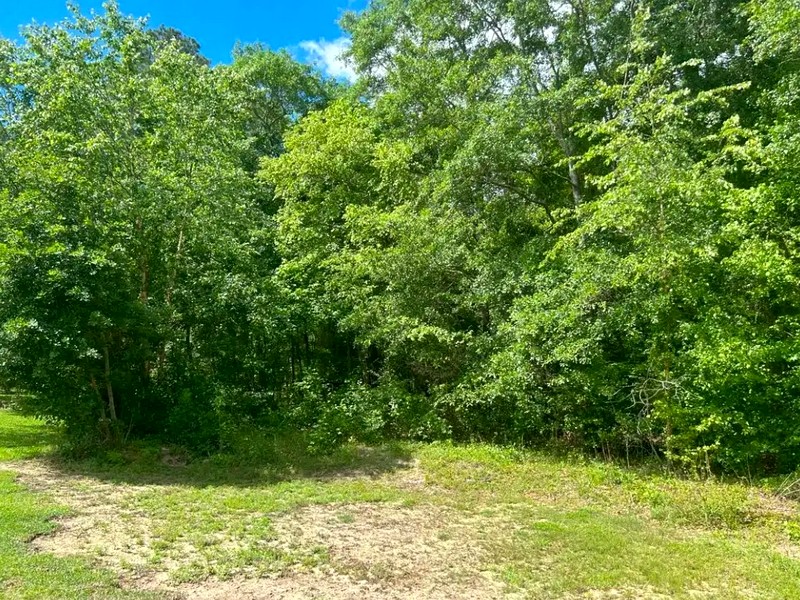
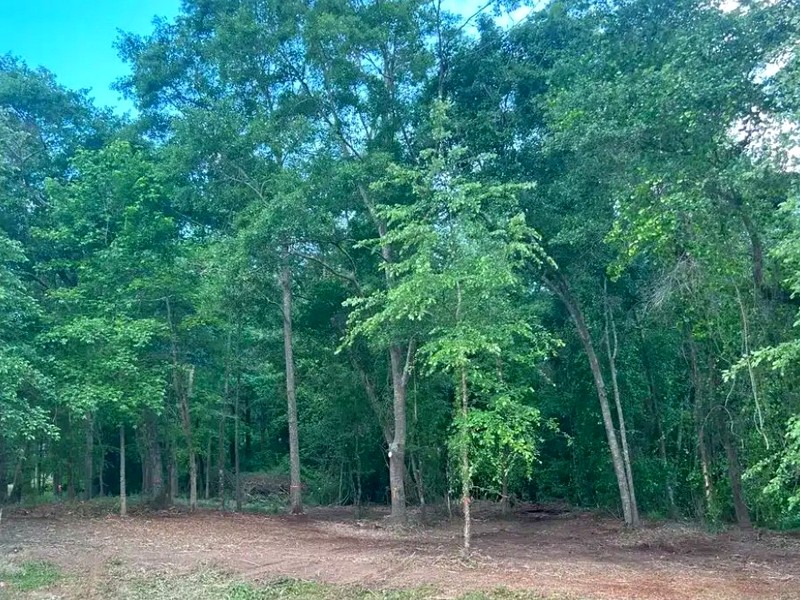
Example Cut Brush project: standing growth to finished mat with nothing hauled away
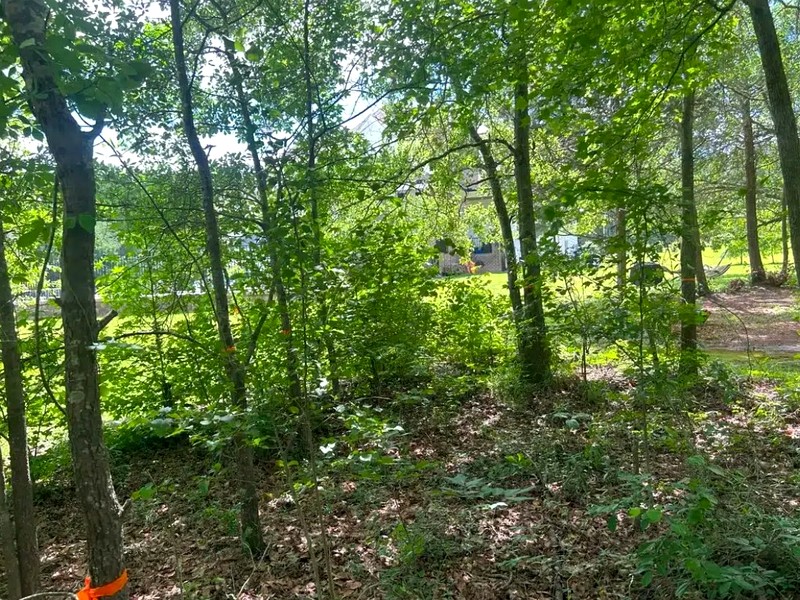
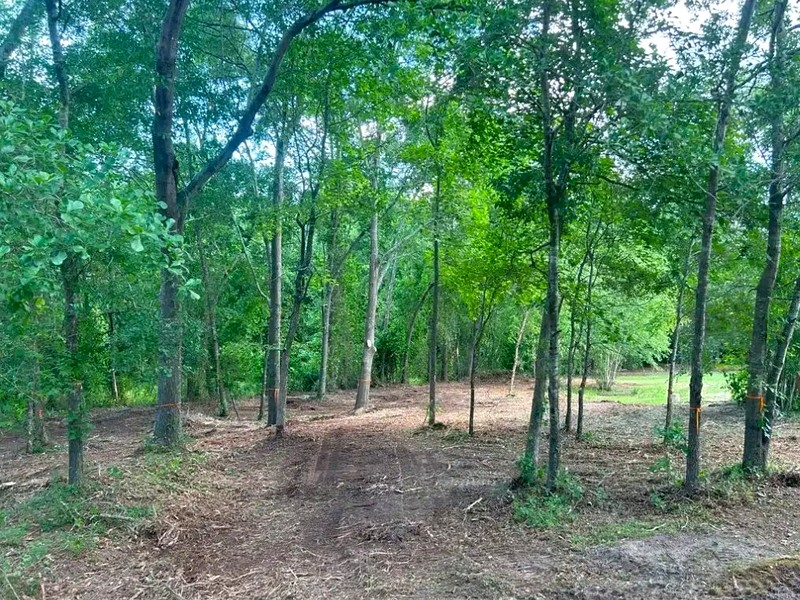
Forestry Mulching in Martinsburg: Low-Impact Clearing for Karst Ground
One machine does the whole job. A tracked carrier pushes a spinning drum of hardened teeth into standing trees and brush, and what was vertical becomes a layer of shredded wood lying where it fell. There is no felling crew ahead of it and no chip truck behind it. On most ground, that efficiency is the selling point of forestry mulching. On the Eastern Panhandle's limestone, something else matters more: of every clearing method available, mulching disturbs the ground the least, and this is ground you want left undisturbed.
Cut Brush provides forestry mulching in Martinsburg, Hedgesville, Inwood, Falling Waters, Charles Town, Shepherdstown, and across Berkeley, Jefferson, and Morgan counties, with the method chosen deliberately for what lies beneath this valley.
Why Low Disturbance Is the Whole Game Here
Jefferson County has a greater share of karst than any county in West Virginia, and Berkeley shares the same dissolving limestone. The record on what goes wrong is local and recent: the Rockwool construction project in Ranson set off 19 sinkholes, and on mature karst a sinkhole can open within hours. The known triggers are all site-work behaviors, and mulching sidesteps each one:
- No excavationRoots and soil stay in place, so the ground structure over any void is never undermined.
- No drainage changesWater keeps following the paths it always has; redirected runoff is a documented sinkhole trigger on this limestone.
- Weight kept movingTracks distribute the machine's load, and the work keeps it traveling instead of concentrating tonnage in one spot.
- Suspect ground avoidedClosed depressions and exposed rock ribbons get flagged on the walk-through, and the route goes around them, never across.
The Mat Is Insurance, Not Leftovers
What the drum leaves behind does real work. The Hagerstown clay under most Panhandle parcels runs 35 to 60 percent clay in the subsoil and sheds muddy runoff the moment it is stripped bare, and karst gives that runoff somewhere terrible to go: sinkholes connect the surface directly to fast-moving groundwater, the same water nearby wells draw. A continuous mulch layer takes the impact out of rainfall, holds the soil through storms, and filters what reaches the rock. As it breaks down it feeds organic matter back into the clay. Bare-dirt clearing offers none of that; it just hands the problem to whoever owns the ground next.
Built for the Panhandle's Green Wall
The overgrowth here has a consistent cast. Autumn olive builds thickets that smother pasture. Multiflora rose persists from the 14 million plants West Virginia set out in the 1940s through 60s. Tree of heaven colonizes edges and old fields, and it matters more than ever now that both Berkeley and Jefferson counties sit inside the spotted lanternfly quarantine, since the insect prefers that tree above all others. Eastern red cedar, happiest on limestone soils, claims any field left idle and can hold it for sixty years. Japanese honeysuckle ties the whole tangle together. The drum takes every bit of it in the same pass, and because the mulch never leaves your property, the quarantine never becomes your problem.
Burning Is a Night Job Here. Mulching Is Not a Job at All.
West Virginia's burn law surprises newcomers: during the fire seasons of March 1 to May 31 and October 1 to December 31, open burning is banned from 7 a.m. to 5 p.m. The legal window is overnight, 5 p.m. to 7 a.m., every pile ringed by a 10-foot cleared safety strip, with fines and cost recovery waiting for mistakes. A clearing method that generates debris in those months generates night work. Mulching generates neither: the brush becomes the ground cover, and there is never a pile, a permit question, or a smoke column.
What Mulching Costs in the Panhandle
Cut Brush forestry mulching runs $1,500 to $4,000 per acre. Thicket-and-sapling ground sits at the bottom of the band; mixed woods with larger stems, slopes, or awkward access climb toward the top. The Martinsburg pricing guide covers every factor, and each quote is written after we have walked your actual parcel, never priced from an aerial photo.
How Forestry Mulching Works
Three steps from overgrown to usable, with a written number before any machine moves.
Ground Reading
Before the machine arrives we read the parcel: stem sizes, thicket density, karst indicators, soggy clay, and the line where the work stops. The written quote follows within about a day.
One Pass, Whole Job
The drum works through brush and trees in a single continuous operation, leaving shredded cover behind the machine as it moves. Most residential jobs wrap in a day or two; larger acreage runs by the week.
Done Means Done
No debris phase, no second crew, no smoldering pile. When the mulcher loads out, you walk on finished, covered ground.
Why Property Owners Choose Cut Brush
The right machine for the ground, straight answers on the rules, and land you can use when we leave.
Gentlest Method on Karst
Of everything that clears land, mulching moves the least soil and changes the least drainage, which is exactly what limestone ground rewards.
Protects the Water Below
Sinkholes feed karst aquifers directly. A continuous mulch mat filters runoff that bare dirt would deliver straight to the rock.
No Overnight Burn Shifts
The in-season legal burn window runs 5 p.m. to 7 a.m. in West Virginia. Mulching makes the window irrelevant.
Quarantine-Simple
Both counties sit in the spotted lanternfly quarantine. Mulched material stays on your property, so nothing regulated ever leaves it.
Pasture Comes Back
Autumn olive and cedar give way to open ground ready for reseeding, and the mat breaks down into the soil rather than washing off it.
Weather-Tolerant Scheduling
Tracked machines handle the Hagerstown clay's wet spells far better than wheels, so jobs hold their calendar through Panhandle springs.
Get a Free Forestry Mulching Quote
Describe the parcel, get a real number, decide on your own time. Want the ranges first? Start with the Martinsburg, WV pricing guide.
Request a Free QuoteRelated Services
If the project is bigger than forestry mulching, the rest of our clearing work covers the Eastern Panhandle too.


Forestry Mulching Across the Eastern Panhandle
We provide forestry mulching in these Berkeley, Jefferson, and Morgan County communities.
Forestry Mulching FAQ
Ready to Put Your Land Back to Work?
Free written quotes for forestry mulching anywhere in Martinsburg & the Eastern Panhandle.
Get Your Free Forestry Mulching QuoteOr call us directly: (919) 525-3950