Eastern Panhandle's Trusted Land Clearing & Brush Removal Experts

Forestry mulching, lot clearing, and brush removal for Berkeley, Jefferson, and Morgan counties – clearing methods chosen for the limestone karst that sits under the fastest-growing corner of West Virginia.

Why Choose Us

Licensed & Insured Free Written Quotes Karst-Aware Methods
Licensed & Insured
Free Written Quotes
Karst-Aware Methods

See the Difference a Day Makes

Drag the slider to see what one pass of tracked mulching equipment leaves behind.

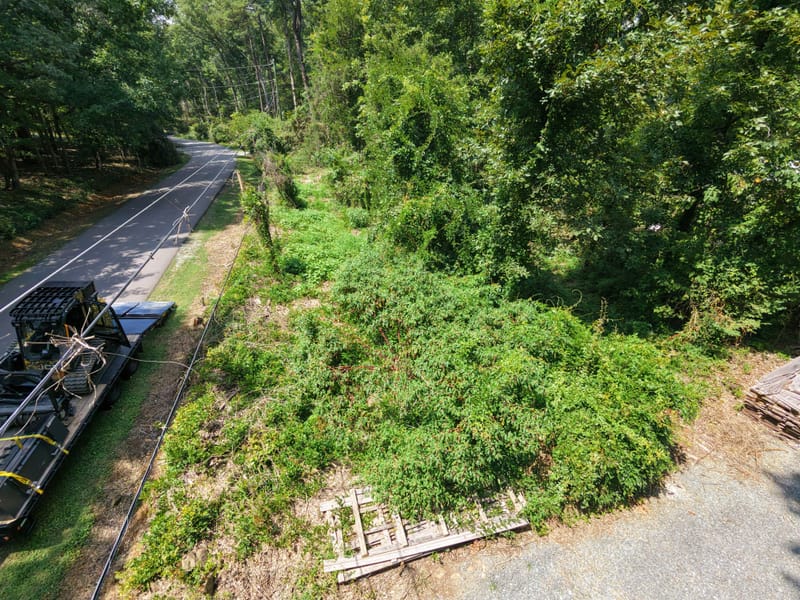
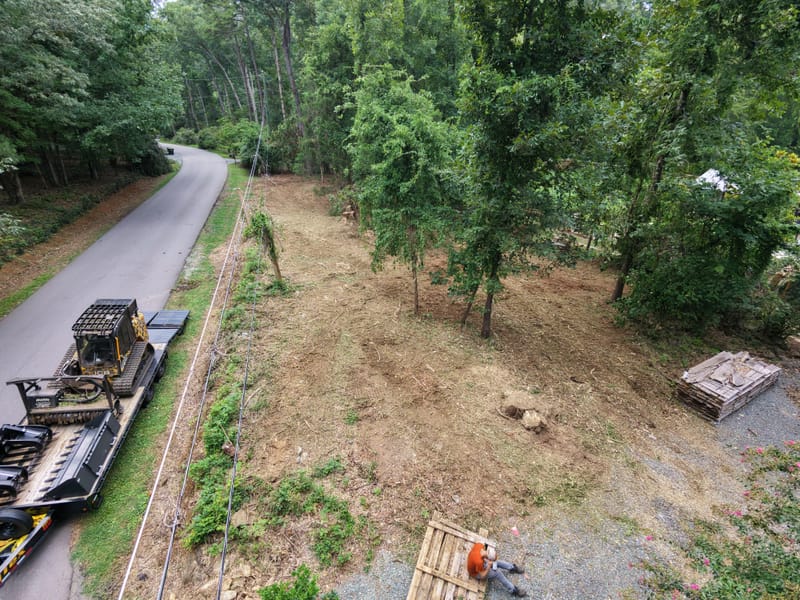
Thick overgrown field edge before Cut Brush clearing BEFORE
Open usable ground finished with a mulch mat AFTER
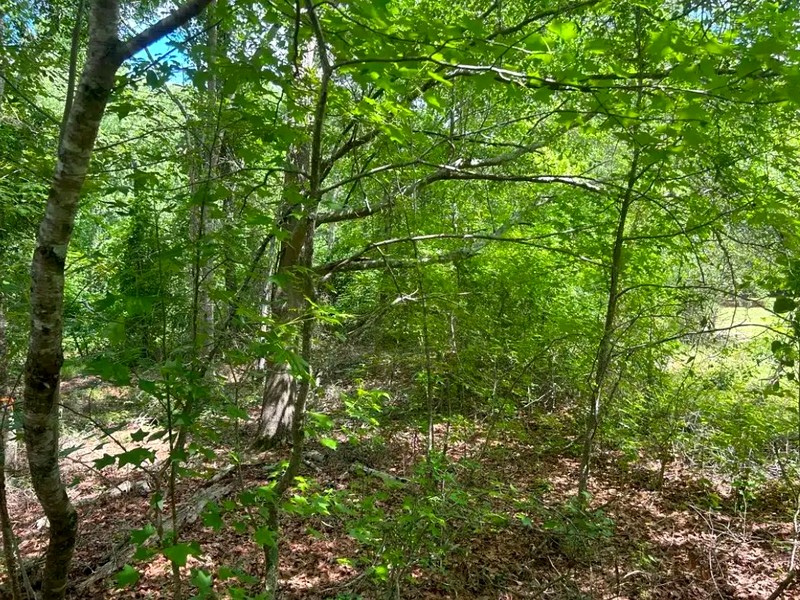
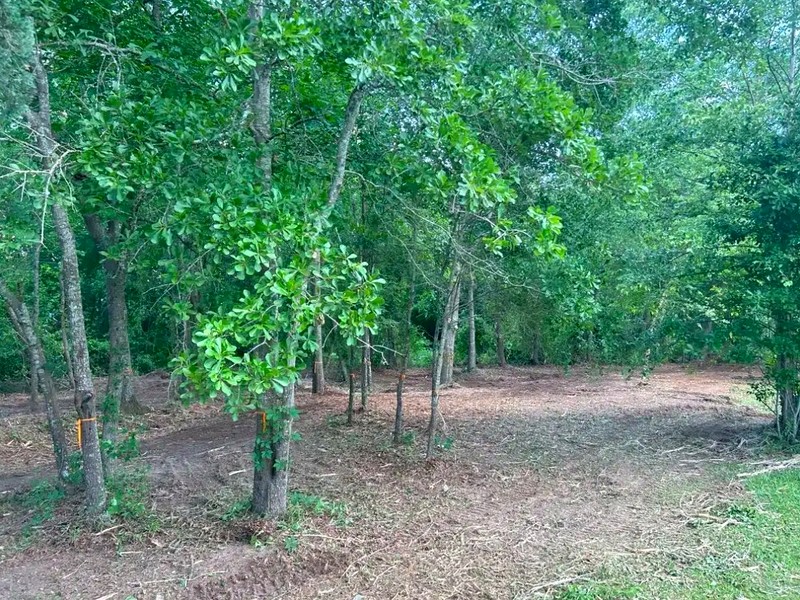
Autumn olive and heavy brush before mulching BEFORE
Reclaimed pasture edge after Cut Brush mulching AFTER

What Our Customers Say

Don't just take our word for it – hear from real Cut Brush customers.

★★★★★
"My 2-acre property was so thick you couldn't walk through it. One day later, it looked like a park."

– Jason M

★★★★★
"Fast, honest, no drama. They quoted Tuesday, cleared Thursday. Done by Friday."

– Carrie D.

★★★★★
"We didn't realize how much land we had until Cut Brush cleared it."

– Tony & Lisa R.

From Overgrown to Usable in Three Steps

The same crew that quotes your parcel clears it, start to finish.

1

Quote It in Writing

We walk the parcel, with you or without you if you live down the MARC line, note anything the limestone is hinting at, and put a written number in your hands.

2

One Machine, One Pass

A tracked mulcher grinds standing growth into ground cover where it stands. Drainage stays as it was, and the soil is never excavated.

3

Ground You Can Use

Walkable, covered, finished ground with nothing left to haul and nothing waiting on the West Virginia burn clock.

See Cut Brush in Action

Watch our crew transform overgrown properties with professional forestry mulching equipment.

  • Before & after project walkthroughs
  • Professional equipment on real jobs
  • See the land clearing process start to finish

Land Clearing Where West Virginia Is Actually Growing

Only nine of West Virginia's 55 counties are adding people, and the two that lead the list share this corner of the state. Berkeley County expanded 14.2% in the 2020s, faster than any other county in West Virginia, and is up more than a third since 2010; Jefferson County ranks second. The engine is no mystery: the Eastern Panhandle sits within commuting reach of Washington, DC, with houses at roughly half the DC-metro price and a MARC commuter train that boards in downtown Martinsburg.

Cut Brush serves this market with four core services: forestry mulching, full land clearing, lot clearing for new construction, and brush clearing on ground the mowers lost years ago.

Growth on Top, Limestone Underneath

The Panhandle is being cleared because it is being bought. DC-metro homes trade near $585,000 while Berkeley County's median runs around $300,000, the MARC Brunswick Line boards commuters in downtown Martinsburg, and builders like Lennar, DRB, and Ryan Homes are converting wooded parcels into subdivisions to meet the people crossing the state line. Industry is doing the same along I-81: Procter & Gamble's $500 million plant at Tabler Station, Clorox's $190 million facility, CMC's $450 million steel micro mill, and the $4 billion Penzance data center campus announced for the Falling Waters District in February 2026. Every one of those projects, and every homesite opened before Jefferson County prices climb again, starts with somebody turning overgrown land into usable ground.

What sets clearing apart here is what sits under the vegetation. The valley floor is karst, limestone and dolostone that groundwater has been dissolving for ages, and Jefferson carries a higher share of it than any county in West Virginia. Karst punishes aggressive site work: the documented sinkhole triggers are drainage diversion, dewatering, vibration, and concentrated loading, and construction of the Rockwool plant in Ranson generated 19 sinkholes. That is why low-disturbance forestry mulching is our default method in this market. The soil is never excavated, drainage patterns stay as they were, tracked machines keep moving and skirt suspect depressions, and the finished mulch mat filters runoff instead of funneling it toward the aquifer your well may draw from.

The paperwork stacks in tiers: Berkeley County reviews land disturbance beyond 5,000 square feet, the WVDEP construction stormwater permit applies at one acre statewide, and because this ground drains toward the Chesapeake Bay, applications carry a Bay TMDL addendum that owners arriving from elsewhere rarely expect. Requirements vary by parcel, scope, and jurisdiction, so we flag the likely tier at quote time and the owner confirms with the governing office. Burning has its own rulebook, legal only overnight during West Virginia's spring and fall fire seasons, but mulched land sidesteps it entirely: the vegetation becomes ground cover, and nothing on your property ever needs a match.

From North Mountain to Harpers Ferry

Berkeley, Jefferson, and Morgan County communities along I-81, WV 9, and the MARC line.

Martinsburg Hedgesville Inwood Bunker Hill Falling Waters Spring Mills Gerrardstown Charles Town Ranson Shepherdstown Harpers Ferry Kearneysville Shenandoah Junction Berkeley Springs

Eastern Panhandle Clearing Questions

That question is exactly why we lead with forestry mulching here. The sinkhole triggers documented in the Panhandle limestone belt are construction behaviors: rerouting drainage, pumping groundwater, concentrated loading, and heavy vibration. Mulch-in-place clearing avoids all four. Nothing is excavated, drainage patterns stay as they were, and the machine keeps moving instead of parking its weight in one spot. On the walk-through we note closed depressions and exposed limestone, and we route the equipment around anything suspect rather than over it.
Think of it as three tiers. Berkeley County reviews land disturbance beyond 5,000 square feet under its stormwater and erosion ordinance, administered by the county Engineering office at 304-264-1966. At one acre of disturbance, the WVDEP construction stormwater general permit applies statewide, with a simpler minor tier for one to three acres. And because both counties drain toward the Chesapeake Bay, permit applications here carry a Bay TMDL addendum. Mulching that leaves soil unexcavated often stays below the disturbance triggers entirely; we sort out which tier, if any, your project touches before work is scheduled.
Yes. A good share of Panhandle land is owned by people who ride the MARC train more often than they walk their acreage. We can walk the parcel without you, document what we find with photos, and deliver the written quote by email or phone, then schedule the work around your next trip out if you want to see the finished ground in person.
Cut Brush land clearing runs $1,500 to $4,500 per acre, forestry mulching $1,500 to $4,000, and brush work $1,500 to $2,500. Density, stem size, slopes, access, and the finish you need set where a parcel lands inside those bands. The Martinsburg pricing guide walks through all of it, and the on-site quote is free.
Berkeley and Jefferson counties both sit inside the West Virginia spotted lanternfly quarantine, and the insect made its first state appearance near Bunker Hill. Its favorite host is tree of heaven, one of the most common invasive trees on Panhandle parcels. Because our default method grinds vegetation into mulch that stays on your property, there is no load of brush leaving the quarantine zone to worry about. If your land carries tree of heaven stands, we point them out during the walk-through; the state Department of Agriculture asks landowners to keep an eye on exactly those trees.

Ready When Your Land Is

Free written quotes for clearing work anywhere in Berkeley, Jefferson, or Morgan County.

Request My Free Quote

Or call us directly: (919) 219-2946

Call Free Quote