
Brush Hogging Cost Per Acre in Delaware (2026 Guide)
Cut Brush Team · November 9, 2026 · 9 min read
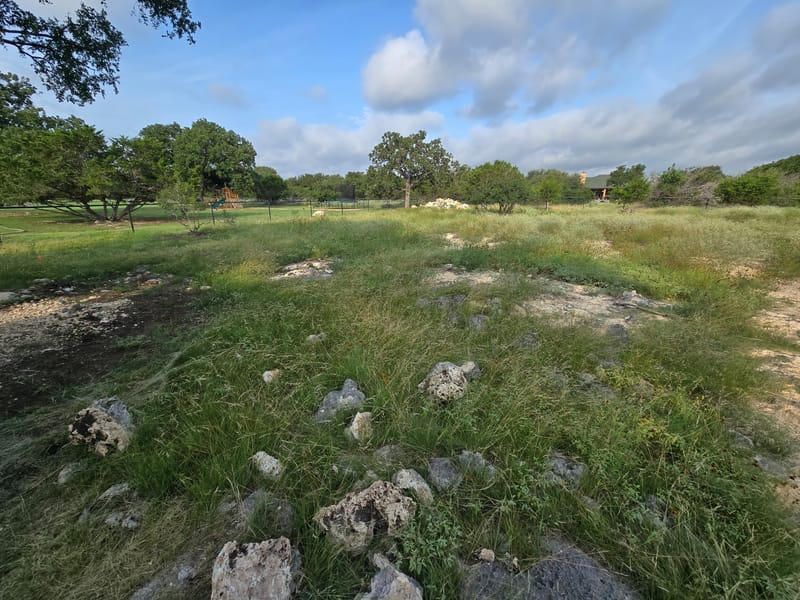
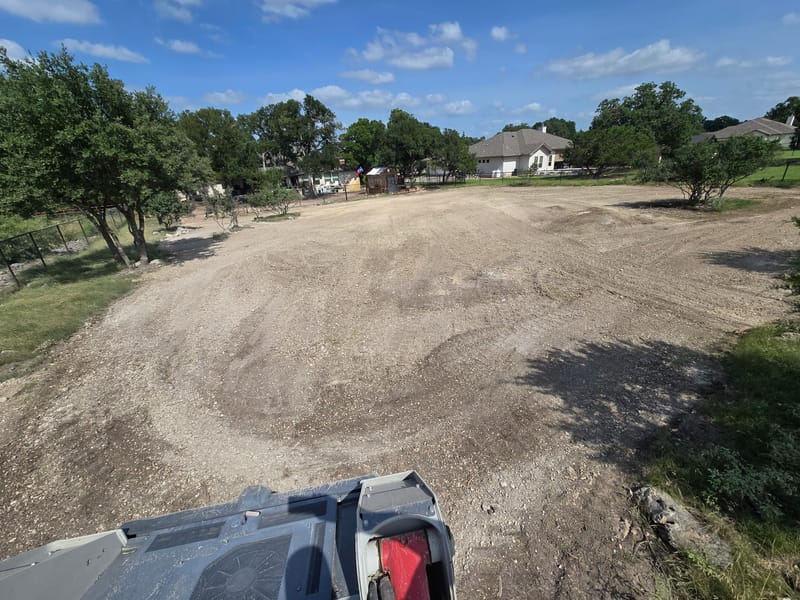
A Delaware field left alone does not stay grass for long. By the second summer, Canada thistle and Johnsongrass stand above the fescue, multiflora rose canes arch along the fence, and Callery pear seedlings are coming up from the far edge. Our crews brush hog Delaware fields for $75 to $400 an acre, set by how long it has been since the last cut, with a $250 to $500 minimum per visit.
At a glance:
- Mowed within the past year: $75 to $150 an acre
- One or two seasons of growth: $125 to $250 an acre; three or more years: $200 to $400
- Small fields: a $250 to $500 minimum per visit; hourly work runs $60 to $150 an hour
- Saplings past 2 to 3 inches: no longer a mower job, so it is priced in our $1,500 to $2,500 understory band or the $1,500 to $4,000 mulching band
- The weed law: Delaware makes the landowner keep six listed noxious weeds, Johnsongrass and Canada thistle among them, from setting seed or growing past 24 inches
- Tax ditch banks: you may mow the right-of-way on your side, but stumps in it cannot be pulled
We mow Delaware ground from two markets: Bear and Northern Delaware, covering New Castle and Kent counties, and Millsboro and Southern Delaware, covering Sussex and Kent.
How Much Does Brush Hogging Cost Per Acre in Delaware?
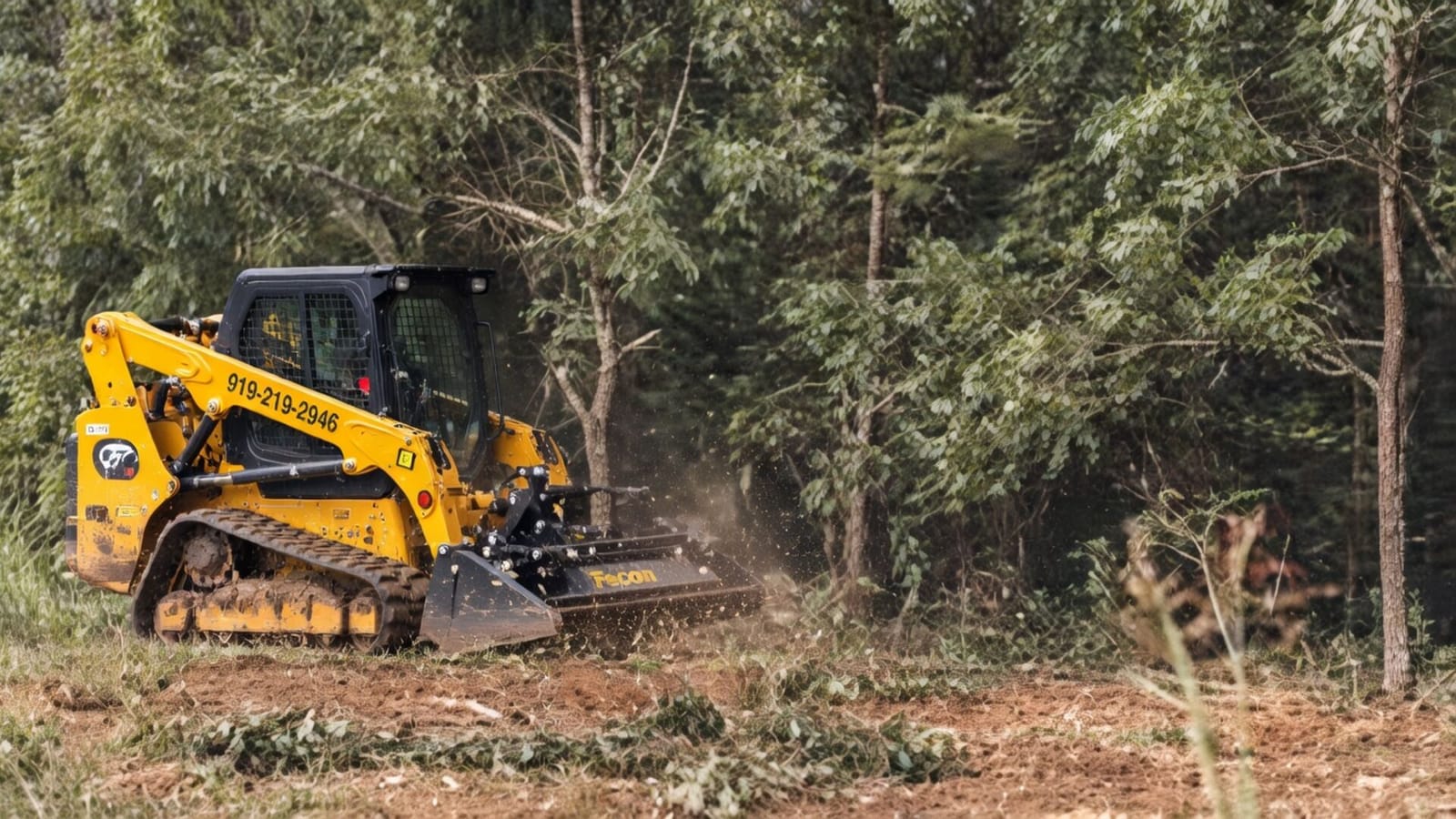
Brush hogging is a heavy rotary cutter, pulled by a tractor or run on a tracked machine, that knocks down grass, weeds, briars and soft saplings and leaves them lying where they fell. It resets a field; it does not take out roots or stumps. On Delaware ground the price follows one question: how many growing seasons since the field last saw a cutter?
| Field condition | Our price per acre | What it looks like in Delaware |
|---|---|---|
| Mowed within the past year | $75 – $150 | Fallow crop ground or old hay with young giant ragweed and scattered thistle |
| One or two seasons of growth | $125 – $250 | Canada thistle and Johnsongrass past knee height, blackberry and dewberry, honeysuckle along the fence |
| Three or more years overgrown | $200 – $400 | Multiflora rose mounds, sumac, trumpetcreeper and pear seedlings under 2 inches |
| Saplings past 2 to 3 inches | Not a brush hog job | Callery pear, autumn olive or loblolly pine as thick as a broom handle |
Where these numbers come from. These are the brush hogging bands we quote in every state, set wide on purpose so the figure on your quote is not a surprise. Mowing has no row on our Delaware pricing pages. Once growth needs more than a mower, those pages take over: the Callery pear and understory clearing row on the Bear pricing page and the autumn olive and regrowth clearing row on the Millsboro pricing page are both $1,500 to $2,500 an acre, and forestry mulching is $1,500 to $4,000 in both markets. The minimum per visit covers trailering the machine to a small field. Where a job is quoted by the hour instead, it runs $60 to $150.
What Changes the Price of a Delaware Mowing Job
The 24-inch line in the weed law. Delaware’s noxious weed rules name six plants: Johnsongrass, Canada thistle, burcucumber, giant ragweed, Palmer amaranth and Texas panicum. It is unlawful to knowingly let them set seed or let any part reach 24 inches, and the duty to mow, cultivate or treat them sits with the landowner or whoever farms the ground. Refusing to comply carries a civil penalty of at least $100, or $25 for every acre where the weeds set seed, whichever is greater. A field cut before those weeds get tall mows fast in the lowest tier; one left until the thistle has gone to seed is taller, tougher and already out of line with the law.
A tax ditch along the edge. Delaware has 234 tax ditch organizations looking after more than 2,000 miles of channel, with a right-of-way beside each ditch. The organization mows its right-of-way and ditch once a year or every other year, but the strip is still your land and you may keep it mowed between their visits. Run the deck as high as it will go there. Trees in the strip may be cut flush, stumps may not be pulled, and fences or sheds do not belong in it. A cutter works a ditch bank slower than open ground, so a field with long ditch frontage sits higher in its tier.
Brush the pasture spray leaves behind. The common pasture mix of 2,4-D and dicamba does not control multiflora rose, upright blackberry, dewberry, honeysuckle, sumac, Canada thistle, trumpetcreeper or many woody shrubs and vines. On a Delaware horse or cattle pasture those are what the mower comes back for every year, and a field where they have had three seasons prices in the top tier.
Stone in the north, sand in the south. North of Newark, the Glenelg soils on schist carry flat schist fragments at the surface and slopes as steep as 55 percent, so the cutter slows and blades take rock strikes. Across inland Sussex the Evesboro sands are excessively drained, with little coarser than small quartz pebbles, and the same machine runs at full speed. Low flats in between stay soft into late spring; our Delaware land clearing cost guide covers which soils hold the water.
Pro tip: Book the first cut before Canada thistle flowers in late June. It keeps the field inside the weed law’s 24-inch line, stops this year’s seed, and leaves next year’s mowing in the $75 to $150 tier.
Brush Hogging Across Delaware
Northern New Castle: Hockessin, Greenville and Pike Creek. Horse paddocks and hillside meadows on schist, where rock and slope set the pace. On a two-acre paddock the $250 to $500 minimum is often the whole bill. For Bear, Glasgow and the rest of the county, see our Bear land clearing page.
Southern New Castle and Kent: Middletown, Odessa, Smyrna and Dover. Flat crop and hay ground, where an idle field fills with Callery pear. A field caught in its first two or three seasons is still mowing work; once the pear trunks pass 2 to 3 inches it moves to the understory band, and our Delaware Bradford pear guide covers keeping it from coming back.
Sussex: Millsboro, Georgetown, Seaford and Laurel. Deep sand, fast mowing, and old fields where autumn olive moves in. A stand cut once sprouts again from the stumps, so plan on follow-up cuts; our Delaware autumn olive removal guide sets out the visits, and our Millsboro page covers Southern Delaware.
Near tidal water: the Inland Bays and the Delaware Bay shore. Marsh edges here can hold phragmites, the common reed, and a stand of it is not a mowing job. DNREC’s Phragmites Control Cost-Share Program sprays 5 to 200 acres of it on private land by helicopter, every fall for three years running. Look into that before paying to cut reed that will grow straight back.
Weed Law, Tax Ditches and Nesting Birds: Delaware Rules for Mowing
Listed invasive plants. Multiflora rose, autumn olive, Callery pear, tree of heaven and Japanese stiltgrass are all on Delaware’s invasive plant list, which bars buying, selling, transporting or propagating any viable part of them, seeds included. The law puts no duty on you to remove them. Carting seed-bearing cuttings off the property needs the Secretary of Agriculture’s approval, which is one more reason mowed growth stays on the field.
Herbicide is separate work. Mowing alone will not kill multiflora rose or autumn olive; cut stems need a systemic herbicide, and some products for invasive plants call for a licensed applicator. We mow; the spraying is theirs to quote.
Grassland birds. Eleven grassland birds are among Delaware’s species of greatest conservation need, bobolink, eastern meadowlark, grasshopper sparrow and upland sandpiper among them. Delaware sets no mowing date for them. If an old field of yours holds meadowlarks, talk to DNREC’s Division of Fish and Wildlife before a spring cut and book the mowing around what they advise.
Frequently Asked Questions
How much does it cost to brush hog 1 acre in Delaware?
Usually the minimum, $250 to $500 per visit, because trailering the machine costs the same for one acre as for ten. The mowing itself is worth $75 to $400 depending on growth. Folding a second field or a ditch bank into the same visit is how a small Delaware job gets more for that minimum.
When should I mow a field in Delaware?
Delaware sets no mowing season for nesting birds, but the weed law sets a limit: listed weeds may not reach 24 inches or set seed. Cut Canada thistle in late June as it starts to flower, mow Japanese honeysuckle in July and again in September, and mow Japanese stiltgrass in August or September while it flowers. A field kept on that rhythm never leaves the cheapest tier.
Will multiflora rose and autumn olive grow back after brush hogging?
Yes. Both sprout again from what is left in the ground, and the usual pasture spray does not touch multiflora rose. Cutting the new shoots again and again wears the roots down in time, and treating cut stems with a systemic herbicide finishes the job sooner. Plan on a cut every season until the sprouts quit.
Can a brush hog cut Callery pear or small trees?
Up to about 2 inches, yes, and a field of young pear seedlings is ordinary brush hog work. Past 2 to 3 inches the stems splinter instead of cutting, and the job moves to clearing: $1,500 to $2,500 an acre in our understory band, or $1,500 to $4,000 to mulch a closed thicket. Our Delaware forestry mulching cost guide and underbrush removal cost guide cover that work.
Can I mow the tax ditch bank behind my field?
Yes. The right-of-way is your land, and you may maintain it between the tax ditch organization’s own mowings. Keep the deck high, cut trees flush rather than pulling stumps, and leave broad-spectrum herbicide to a licensed professional. DNREC’s tax ditch map shows whether a right-of-way crosses your parcel.
Get a Brush Hogging Quote for Your Delaware Field
Request a free quote and our crew will contact you to discuss the property, the access and the mowing it needs. Choose the area nearest your land below. If the field is headed for a house rather than another season of hay, our land clearing and grading guide shows where our clearing stops and your excavating contractor’s grading begins.
Sources
- Delaware Code, Title 3, Chapter 24, noxious weed control
- DNREC, tax ditches
More from the Cut Brush Blog
Keep reading for more tips and guides on land clearing.
 Cost Guide
Land Clearing Cost Per Acre in Delaware (2026 Guide)
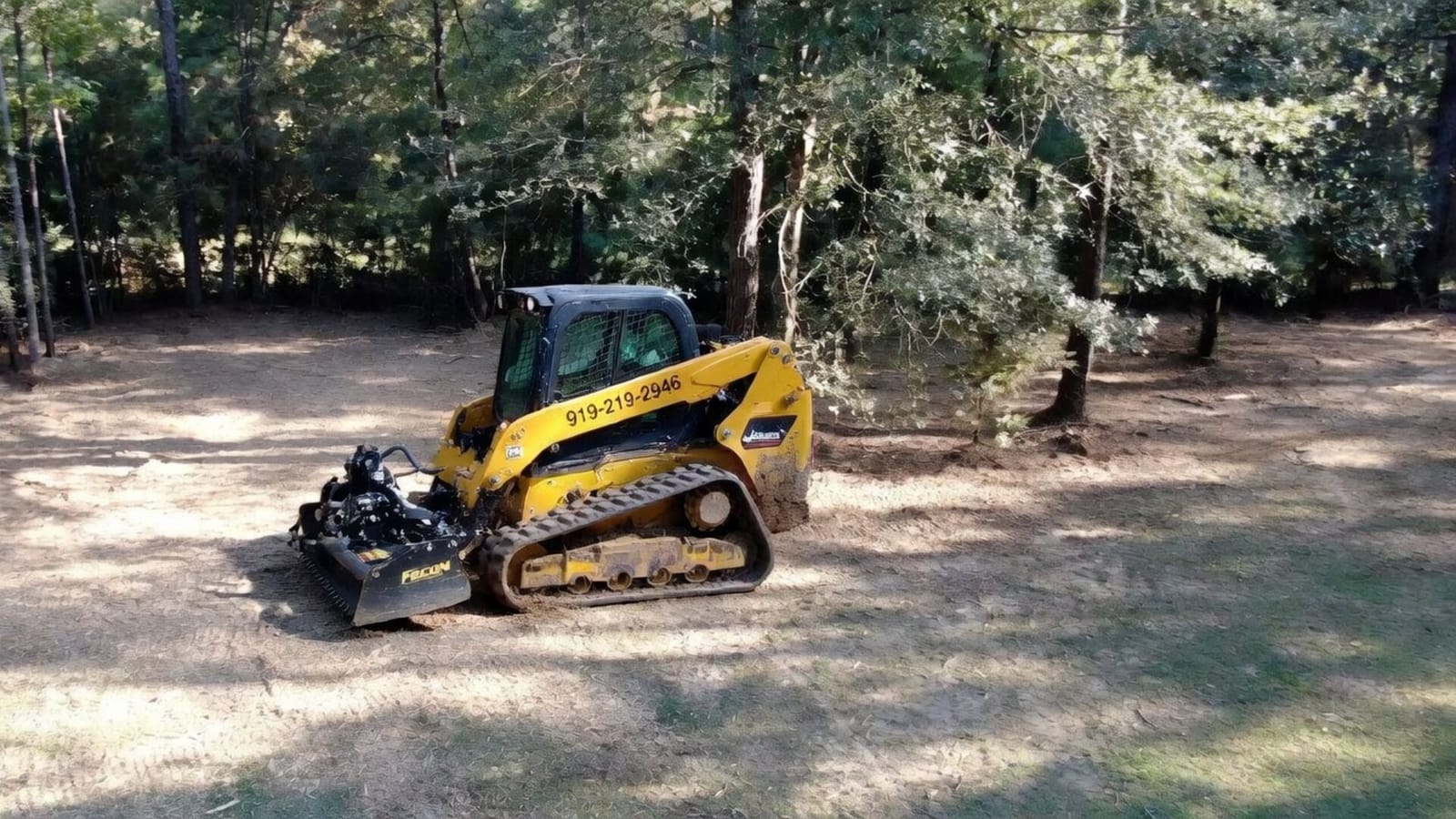
$1,500 to $4,500 an acre to clear Delaware land, the rates our crew charges around Bear. How wet winter flats and the no-burn rule for house lots move it.
 Cost Guide
Underbrush Removal Cost in Delaware (2026 Guide)
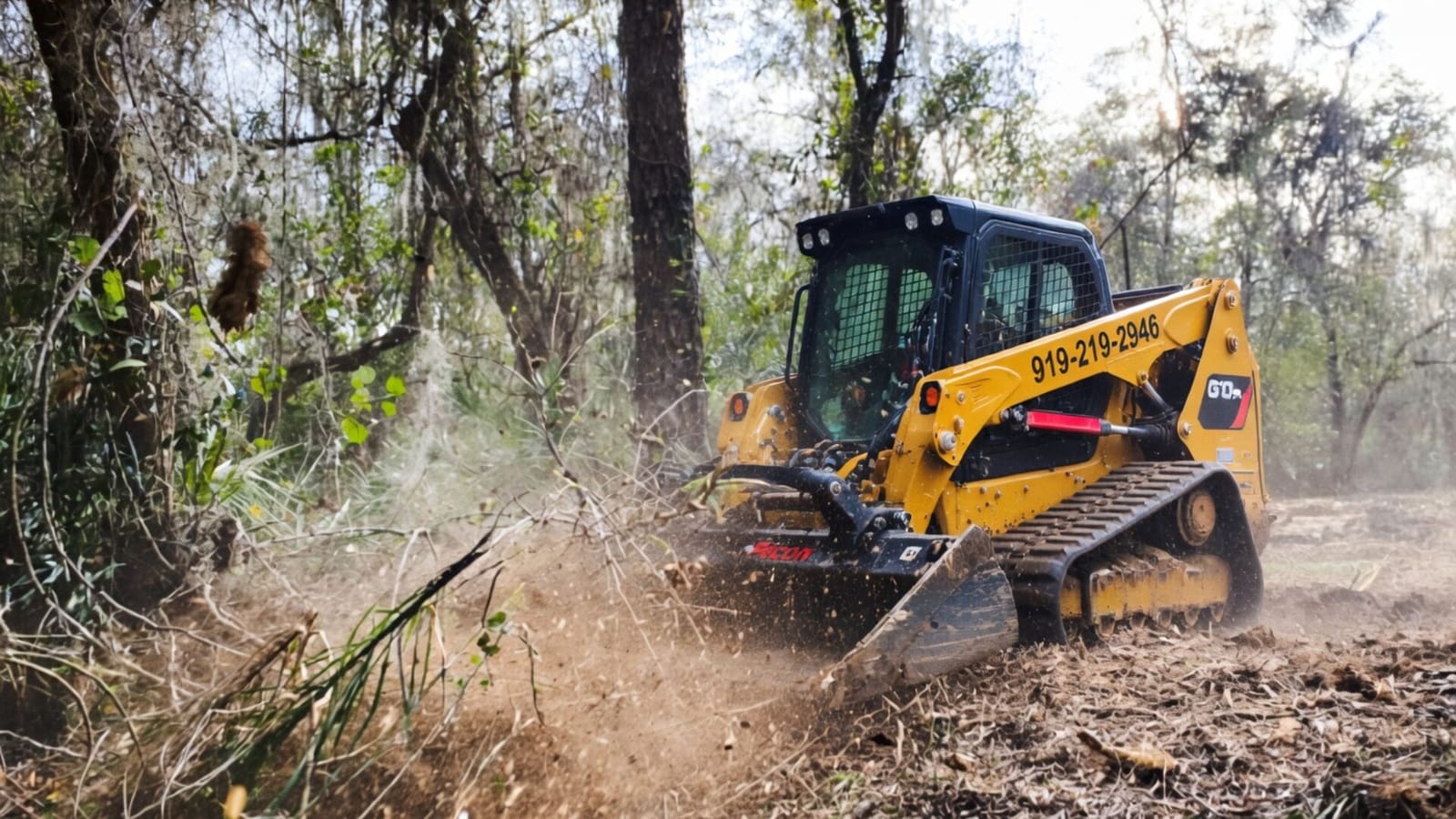
$1,500 to $2,500 an acre to clear Delaware underbrush under trees you keep. What multiflora rose, autumn olive, regrowth and the state invasive fund mean.
 Cost Guide
Forestry Mulching Cost in Delaware (2026 Guide)
Forestry mulching in Delaware costs $1,500 to $4,000 an acre. Why clearing brush can't go in a burn pile, what the lanternfly quarantine means for hauling.
Comparing states? See land clearing costs by state.
Let's Get Started on Your Land
Request a free quote. We'll contact you to discuss your property, access, and the clearing you need.
Get a Free QuoteOr call us directly: (919) 525-3950
 Quick answers from Cut Brush