
Brush Hogging Cost Per Acre in Louisiana (2026 Guide)
Cut Brush Team · November 9, 2026 · 9 min read
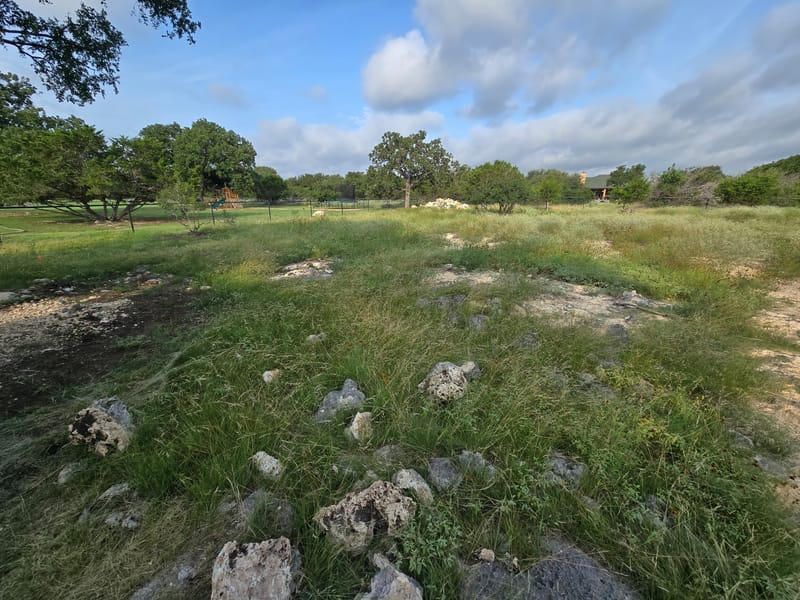
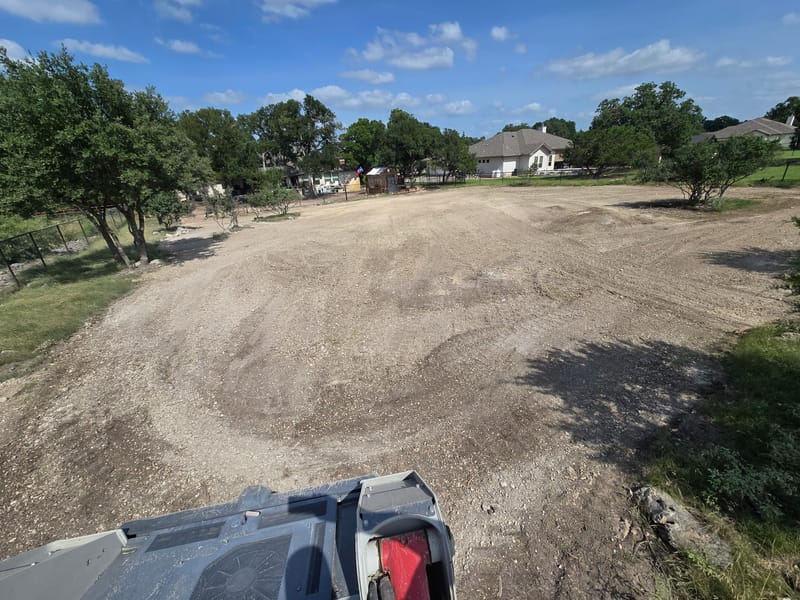
Brush hogging in Louisiana costs $75 to $400 an acre with our crew, and the number is set by how many seasons the ground has gone without a cut. A field or lot mowed within the past year runs $75 to $150 an acre. Three or more years of growth runs $200 to $400, and past that point Chinese tallow has usually turned the job into clearing.
At a glance:
- Mowed within the past year: $75 to $150 an acre. One or two seasons of growth: $125 to $250. Three years or more: $200 to $400.
- Small jobs: a $250 to $500 minimum per visit, or $60 to $150 an hour where we quote by the hour.
- The tallow line: once stems pass 2 to 3 inches, the work moves to our tallow and understory rate, $1,500 to $2,500 an acre, or forestry mulching, $1,500 to $4,000.
- New Orleans lots: a lot is overgrown under city rules once grass and weeds pass 10 inches, and keeping it cut is the owner’s duty under the city’s lot abatement program.
- Burning: in Louisiana only vegetation and ordinary yard waste may be burned, and a parish burn ban stops it. A brush hog leaves the cut growth on the ground, so there is no pile.
Our crew mows and clears around New Orleans and the South Shore, in Orleans, Jefferson, St. Bernard, Plaquemines and St. Charles parishes. The rates below are the ones we quote there and a sound budget anywhere in the state.
How Much Does Brush Hogging Cost Per Acre in Louisiana?
A brush hog is a heavy rotary cutter that chops grass, briars, vine and saplings a lawn mower cannot, and leaves them where they fall. In Louisiana the deciding question is how far the tallow has come along since the last cut.
| Field condition | Our price per acre | What it looks like in Louisiana |
|---|---|---|
| Mowed within the past year | $75 – $150 | Grass and weeds near the 10-inch line, no woody stems |
| One or two seasons of growth | $125 – $250 | Head-high grass, briars and vine, the first tallow seedlings |
| Three or more years of growth | $200 – $400 | Briar and vine with tallow saplings up to 2 inches |
| Stems past 2 to 3 inches | Not a brush hog job | A tallow thicket: $1,500 – $2,500 (tallow and understory) or $1,500 – $4,000 (mulching) |
Where these numbers come from. The first three rows are our brush hogging rates, the field-condition bands we quote for mowing wherever we work, with a $250 to $500 minimum per visit. The last row hands off to the clearing rates on our New Orleans pricing guide, where a $1,500 project minimum applies instead.
Some worked numbers from those bands. A half-acre lot mowed last summer prices out under $100 at the per-acre rate, so the visit minimum of $250 to $500 is the price. Five acres with two seasons of growth come to $625 to $1,250. Twenty acres of pasture cut every year come to $1,500 to $3,000, because a large open field spreads the trip across more ground.
What Changes the Price of a Louisiana Brush Hogging Job
How old the tallow is. On the Acadiana prairie, tallow can grow from seed to a tree producing its own seed in as few as three years. Woody plants there have to be mowed or disked early, before mechanical work stops controlling them. By year three the stems are near a cutter’s limit and the field is seeding itself, which is where our third band starts.
Wet ground. Around New Orleans about half the land within 15 miles of the city is wetland. After a run of rain, a tracked machine on saturated ground slows down and can rut a yard. The rate does not change with the weather; the start date can.
Getting onto a south shore lot. A lot in Chalmette or Metairie that the trailer can unload beside at the curb keeps the hours on cutting. A narrow lot between two houses, a fence panel that has to come down, or a culvert at the street adds time. On small lots that time is most of the bill, so the visit minimum sets the price; two neighbouring lots mowed on one trip share a single minimum.
Cogongrass in the field. Cogongrass now grows in most southeastern Louisiana parishes. Mowing knocks down the top growth but leaves the rhizomes in the ground, often broken into pieces, and they regrow fast. Its seed and pieces also travel on contaminated equipment. If you have seen yellow-green blades with an off-center white midrib, point the patch out when we talk so it is mowed last.
Pro tip: Book the cut before a lot passes 10 inches in New Orleans, and before a field’s tallow reaches its third summer anywhere else in Louisiana. Both keep you in the $75 to $150 band, and the first keeps the lot off the city’s abatement list.
Will Chinese Tallow Come Back After Brush Hogging?
Yes, almost always. Tallow has a long taproot and sprouts from break points along its lateral roots, so cutting the top, whether by mower, mulcher or saw, leaves a plant that grows back. The Chinese tallow removal guide for New Orleans covers the full sequence.
What that means for your land:
- Seedlings in grass are a mowing job. A yearly cut keeps tallow below the cutter’s limit.
- A tallow thicket with stems past 2 to 3 inches is mulching or understory work. A rotary cutter splinters stems that size and leaves a stand of sprouting stumps.
- Regrowth treatment is herbicide work done by an applicator, quoted separately and not part of our price. It is what keeps a cleared stand from returning.
You need no one’s permission to cut it on your own land: Louisiana law declares Chinese tallow a noxious plant that may be destroyed wherever it is found in the state.
Brush Hogging Costs Across Louisiana
New Orleans and the South Shore. Orleans, Jefferson, St. Bernard, Plaquemines and St. Charles parishes are mostly vacant lots, lot edges and back halves of parcels in places like Harvey, Marrero and Hahnville. Tallow prefers wet ground, ditches and swamp edges, and it is well established in city neighbourhoods too. See brush and lot clearing around New Orleans and the New Orleans forestry mulching cost guide for lots past mowing.
The Acadiana prairie. Acadia, Evangeline, Iberia, Lafayette, St. Landry, St. Mary and Vermilion parishes hold the loess terrace prairie, now pasture, hay ground and fields of sugarcane, sweet potatoes, corn and soybeans. Without periodic fire, woody plants move in, and tallow forms dense thickets there. A pasture left three years prices toward the top of the bands or past them.
The Florida Parishes, around Washington Parish. Cogongrass was first found in Louisiana in Washington Parish and has spread across most of the southeastern parishes. A patch costs the same to mow, but expect it back quickly unless it is treated separately.
Past mowing, the Louisiana land clearing cost per acre guide covers the ground region by region.
Permits and Burning Rules in Louisiana
The New Orleans grass rule. City ordinance makes every owner responsible for cutting the grass and weeds on their property, and a lot counts as overgrown once they pass 10 inches. Under its Chapter 66 lot abatement program the city’s Department of Code Enforcement can cut a lot the owner leaves overgrown, starting with vacant lots near schools, parks and other public buildings, and neighbours report high grass through 311. A cut booked before the lot passes 10 inches keeps it off that list.
Burning. Brush hogging leaves the cut growth where it falls, so there is nothing to burn. If you burn brush later, only vegetation and ordinary yard waste may go on the fire, a parish burn ban stops it while fire danger is high, and local rules can be stricter; check with your parish first.
Wet ground and marsh. Our crew mows and clears firm ground. Work in a regulated wetland or marsh is outside what we offer; settle that question for low ground before scheduling.
Frequently Asked Questions
How much does it cost to brush hog 1 acre in Louisiana?
One acre at our rates is $75 to $400 depending on how overgrown it is, so a single acre usually prices at the $250 to $500 minimum per visit. If tallow saplings have passed 2 inches, it is a clearing job instead.
How often should I brush hog my land in Louisiana?
At least once a year, because tallow has spread throughout Louisiana. A yearly cut keeps the field in the $75 to $150 band and stops tallow before it can seed. Letting it grow and cutting once before you build costs more: three years of growth is $200 to $400 an acre, or a mulching job.
How much is bush hogging per hour in Louisiana?
Where we quote by the hour, it runs $60 to $150 an hour, with the same $250 to $500 minimum per visit. By the hour suits rough ground nobody has walked in years.
Can a bush hog cut down Chinese tallow trees?
It cuts seedlings and saplings up to about 2 inches cleanly. They sprout back from the stump and roots, so the cut buys time rather than removing them. Trees past 2 to 3 inches are mulching or understory work at $1,500 to $2,500 an acre or more.
My New Orleans lot is overgrown. What will it cost to cut?
On a typical city lot, our visit minimum of $250 to $500 covers the cut. The city treats grass and weeds over 10 inches as an overgrown lot it can abate, so request a quote as soon as a neighbour or a 311 report points it out.
Get a Brush Hogging Quote in Louisiana
Request a free quote and our crew will contact you to discuss your property, the access and whether it is a mowing job or a clearing job. Pick the nearest area below to start. If the growth has passed what a mower can handle, the New Orleans pricing guide shows the clearing rates the job moves to, and our guides to forestry mulching cost in Louisiana, underbrush removal cost in Louisiana and land clearing and grading cost in Louisiana cover each next step.
Sources
- LSU AgCenter, Chinese tallow tree: taproot, root sprouting and why mechanical removal alone does not hold
- City of New Orleans, Chapter 66 Lot Abatement Program: the 10-inch overgrown lot rule and city abatement
Also used, not linked: USDA NRCS Ecological Site Description R134XY402LA (Southwestern Loess Terrace Prairie); LSU AgCenter, Cogongrass; La. R.S. 3:1791; Louisiana Department of Agriculture and Forestry, open burning and fire safety
More from the Cut Brush Blog
Keep reading for more tips and guides on land clearing.
 Cost Guide
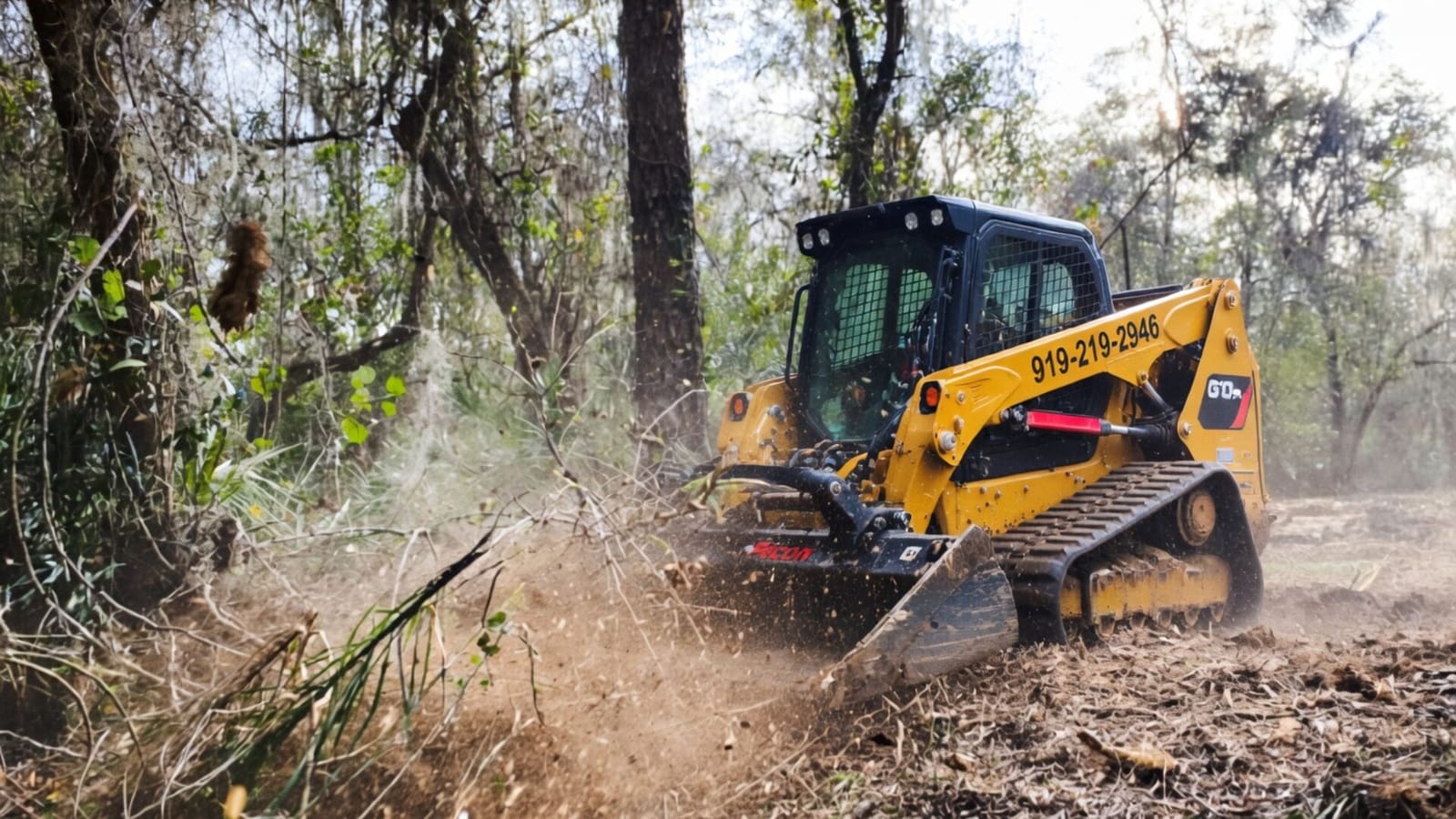
Underbrush Removal Cost in Louisiana (2026 Guide)
Underbrush removal in Louisiana runs $1,500 to $2,500 an acre with your oaks kept. What tallow, live oak roots, soft ground and city lot rules do to the price.
 Cost Guide
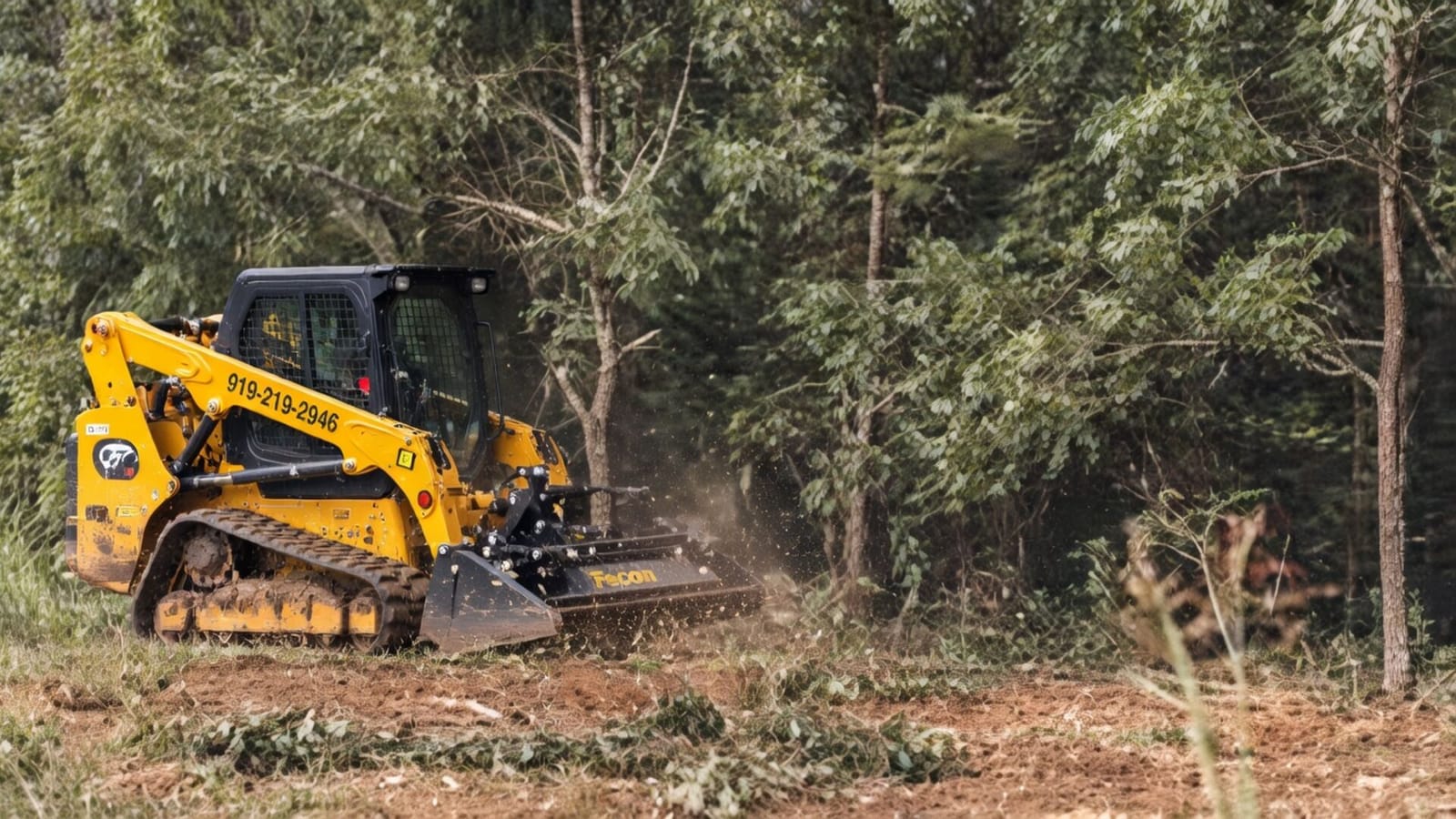
Forestry Mulching Cost in Louisiana (2026 Guide)
Forestry mulching in Louisiana runs $1,500 to $4,000 an acre, with a $1,500 minimum. How tallow, wet clay, live oaks and coastal rules move a quote.
Cost Guide Forestry Mulching Cost in New Orleans, LA (2026)
Forestry mulching around New Orleans runs $1,500 to $4,000 an acre. Per acre against day rates, what slows an acre down, and what a city lot really costs.
Comparing states? See land clearing costs by state.
Let's Get Started on Your Land
Request a free quote. We'll contact you to discuss your property, access, and the clearing you need.
Get a Free QuoteOr call us directly: (919) 525-3950
 Quick answers from Cut Brush