
Forestry Mulching Cost in Louisiana (2026 Guide)
Cut Brush Team · November 9, 2026 · 9 min read
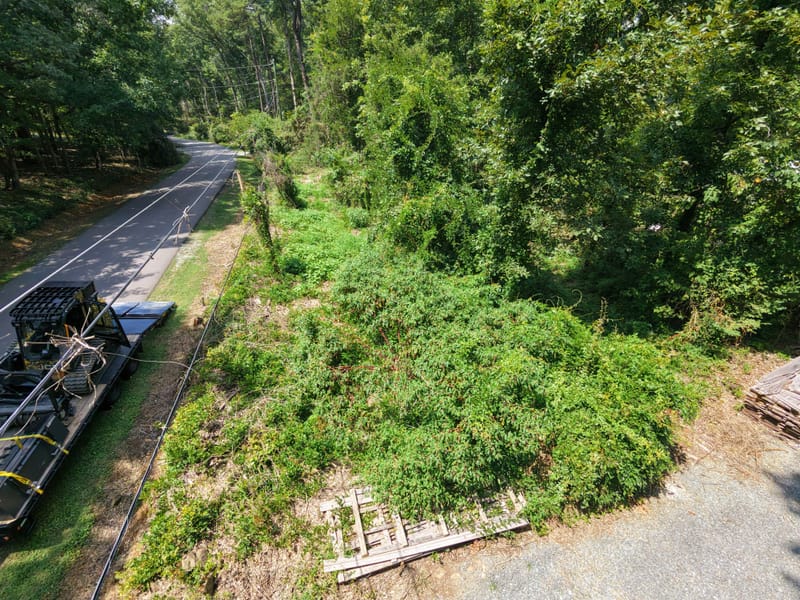
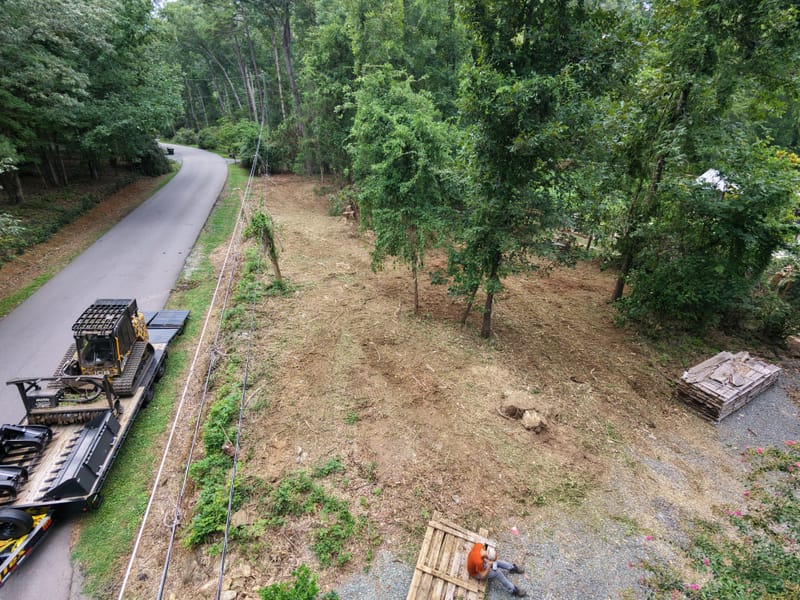
We charge $1,500 to $4,000 an acre for forestry mulching in Louisiana, with a $1,500 project minimum for the whole job. In this state the price of an acre is mostly decided by three things: how long the Chinese tallow has had to thicken, how wet the clay under it is, and how many live oaks have to be worked around.
At a glance:
- Forestry mulching: $1,500 to $4,000 an acre. Light brush on firm ground sits low; an old tallow stand on soft ground sits high.
- Tallow and understory cut out beneath trees you keep: $1,500 to $2,500 an acre.
- Small lots: a job that prices out below $1,500 is quoted at the $1,500 minimum, not charged on top of it.
- Tallow comes back. It sprouts again from its lateral roots, so mulching is the first step and treatment of the regrowth is a separate job.
- Burning rule: a land clearing burn needs 1,000 feet from any dwelling off the property, runs only from 8 a.m. to 5 p.m., and needs the wind carrying smoke away from towns. Mulching leaves nothing to burn.
Our crew works the New Orleans and South Shore market: Orleans, Jefferson, St. Bernard, Plaquemines and St. Charles parishes, from Kenner and Luling to Belle Chasse and Violet.
How Much Does Forestry Mulching Cost in Louisiana?
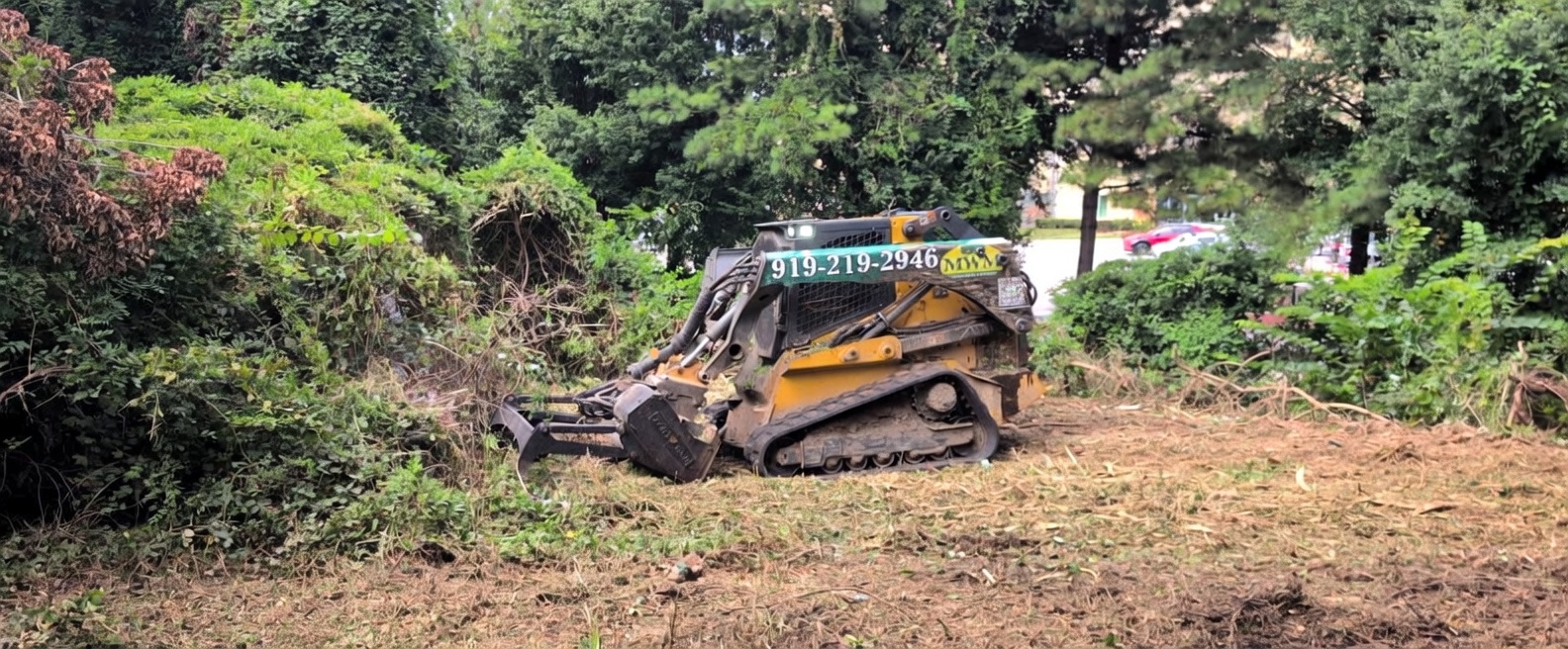
Forestry mulching is one tracked machine with a spinning drum that chews standing brush and small trees into chips and leaves them on the ground where they grew. Here is how what is standing on a Louisiana acre maps to our rates:
| What is standing on the land | Our price | What it looks like |
|---|---|---|
| Tallow, vine and brush beneath oaks you keep | $1,500 – $2,500 per acre | The back half of a lot or a fence line gone to tallow under big trees |
| Young brush and saplings on firm ground | $1,500 – $4,000 per acre, low in the band | A lot or field edge that went a summer or two without mowing |
| An old tallow thicket or wooded stand on soft ground | $1,500 – $4,000 per acre, high in the band | Many stems from every old cut, ground that holds water after rain |
| A whole parcel taken down, larger trees felled and mulched | $1,500 – $4,500 per acre | Clearing for a house, a barn or a pasture |
| A lot well under an acre | $1,500 for the job | A city lot where the trip costs more than the cutting |
Where these numbers come from. These are the rates published on our New Orleans pricing page, where the beneath-the-trees row goes by its local name, tallow and understory clearing. They are the only Louisiana rates we publish, and each quote comes back as one written figure for the whole job.
What Changes the Price of a Louisiana Mulching Job
How long the tallow has stood. Chinese tallow carries a long taproot and sprouts from break points in its lateral roots. A stand that has been bush-hogged or cut back a few times is no longer one trunk per tree; it is a clump of stems from each old cut, and the drum has to take them one at a time. That stem count, more than the acreage, is what pushes an old tallow lot toward the top of the band.
The wet months. On the floodplain and prairie clays of Louisiana the water sits highest from December through April. A tracked machine on saturated clay slows, ruts and sometimes has to stop. The rate stays the same; the start date moves. Late summer and fall, when the same ground dries and firms, is when a wet tract goes fastest.
Live oaks and other keeper trees. Most of a tree’s feeder roots live in the top 12 inches of soil, and heavy equipment crushes them with the first few passes over that ground. We work around the trunk and root zone of every tree you point out, which is slower than driving straight through, so a lot with several big oaks lands higher in its band.
What follows us. If a builder grades after the clearing, the oaks need a barrier at least as far out as their branches reach before the dirt work starts. Keep clay fill off the root zone: it smothers the roots, where up to about 2 inches of sandy loam does not.
Pro tip: Walk the lot before we come and tie flagging tape around every tree you want to keep, including the young oaks hiding in the tallow. A sapling live oak looks like brush from a machine seat, and the drum cannot put one back.
Will the Tallow Come Back After Mulching?
Yes. Mulching opens a dense tallow stand in one pass and leaves the ground walkable, but it does not kill the roots, and a chip layer does not hold tallow down. New sprouts come up from the lateral roots and the cut stems.
That makes a Louisiana tallow job two jobs. We mulch the stand. Treatment of the regrowth is herbicide work for a licensed applicator, quoted by them and not part of our price. On ditch banks and low ground, tell the applicator the water is there, because tallow growing beside water needs care with herbicide. Ask for that treatment as its own line so you can see the full cost before the first visit.
You need nobody’s permission to take tallow down on your own land. Louisiana law names it a noxious plant that may be destroyed wherever found in the state. Our Chinese tallow removal guide sets out the full mulch, treat and check-back sequence.
Forestry Mulching Across Louisiana, by the Ground Under It
New Orleans and the South Shore. This is where our crew works, and most jobs are lots and lot edges rather than acreage. Much of the ground sits low, and about half of the land near the city is wetland, so rain sets the calendar. See land clearing around New Orleans for the parishes and local rules, and the New Orleans forestry mulching cost guide for how the acre band scales down to a city lot.
The Mississippi River floodplain. Sharkey clay is the bottomland soil to expect here: poorly drained, very slow to take water, ponded in backswamps half a foot to 5 feet deep through winter and spring, then cracking open in dry spells. Bottomland hardwood ground like this is a late summer and fall mulching job.
The upland pine country. Well drained loamy soils such as the Ruston series, whose reference site is in Rapides Parish, carry southern pine with hardwoods and a shrub layer underneath. Footing is firm most of the year, so the cost on these acres comes from stem count and trunk size rather than mud.
The southwest prairie. Around Acadia Parish the Crowley soils are flat, with a clay layer starting about 14 inches down that holds water above it from December through April. The land is in rice, soybeans, pasture and crayfish ponds, so mulching here is field edges, ditch banks and old pasture where tallow has moved in.
The eastern parishes. Cogongrass was first found in Washington Parish and is still concentrated in the east of the state, spreading into southeastern and some central and western parishes. It regrows from rhizomes after mowing and travels on contaminated equipment. Mulching does not control it, so mark any patch before a machine goes in and ask that the machine be cleaned before it leaves.
Coastal Zone, Burning and Other Louisiana Rules
The Coastal Zone. Jefferson, Orleans, Plaquemines, St. Bernard and St. Charles are among the twelve parishes with an approved local coastal program. Work on most sites above the 5-foot contour is generally exempt from a coastal use permit, and so is work inside fastlands, land ringed by levees, when it has no direct or significant impact on coastal waters. The land itself is not exempt, so a free Solicitation of Views from the state Office of Coastal Management is the way to get a written answer on your parcel before the job is booked.
Burning. Clearing debris may only be burned 1,000 feet or more from any dwelling off the property, between 8 a.m. and 5 p.m., with the prevailing wind carrying smoke away from any town. On most South Shore lots that distance cannot be met. A mulched lot has no pile, so this rule never comes into a mulching price.
Stormwater. A single project disturbing under 1 acre falls outside the state’s construction stormwater rules; the tiers above that are set out in the Louisiana land clearing cost guide.
Frequently Asked Questions
How much does a forestry mulcher cost per hour in Louisiana?
We do not sell machine hours. Every job gets one written price, built from the $1,500 to $4,000 an acre mulching band and the $1,500 minimum, so a slow afternoon in wet tallow is our problem, not a bigger bill. If another quote is hourly, ask how many hours they expect and compare the total.
Why do mulching prices in Louisiana vary so much?
A price of a few hundred dollars an acre assumes light brush on dry, firm ground with an easy way in. A Louisiana acre is often the opposite: a tallow clump at every old stump, clay that stays wet through April, and oaks to work around. Those three move a quote from the bottom of our band to the top.
What are the downsides of forestry mulching?
It leaves a mat of chips rather than bare dirt, and stumps are ground flush, not pulled. It does not kill tallow or cogongrass roots, so regrowth needs its own plan. On saturated clay it has to wait for drier weather. For open pasture that only needs mowing, the Louisiana brush hogging cost guide is the cheaper route.
Do I need a permit for forestry mulching in Louisiana?
Check two things before the job is booked. In the Coastal Zone, get a Solicitation of Views for the parcel; inside New Orleans, trees in the right of way or on a neutral ground belong to the city and are left alone. For a building site, read the Louisiana land clearing and grading cost guide for what comes after the clearing.
Is a small lot worth mulching?
Yes, if you budget for the $1,500 minimum, and a neighbor’s overgrown lot booked into the same visit shares that trip. If the trees stay and only the brush goes, see the Louisiana underbrush removal cost guide.
Get a Forestry Mulching Quote in Louisiana
Request a free quote and our crew will contact you to discuss the property, the access and the mulching you need. Pick the nearest area below to start; the rates behind every quote are on our New Orleans pricing page.
Sources
- Louisiana Office of Coastal Management, OCM FAQs: Solicitation of Views, local coastal programs, the 5-foot contour and fastlands
- LAC 33:III.1109: outdoor burning for land clearing
More from the Cut Brush Blog
Keep reading for more tips and guides on land clearing.
 Cost Guide
Land Clearing Cost Per Acre in Louisiana (2026 Guide)
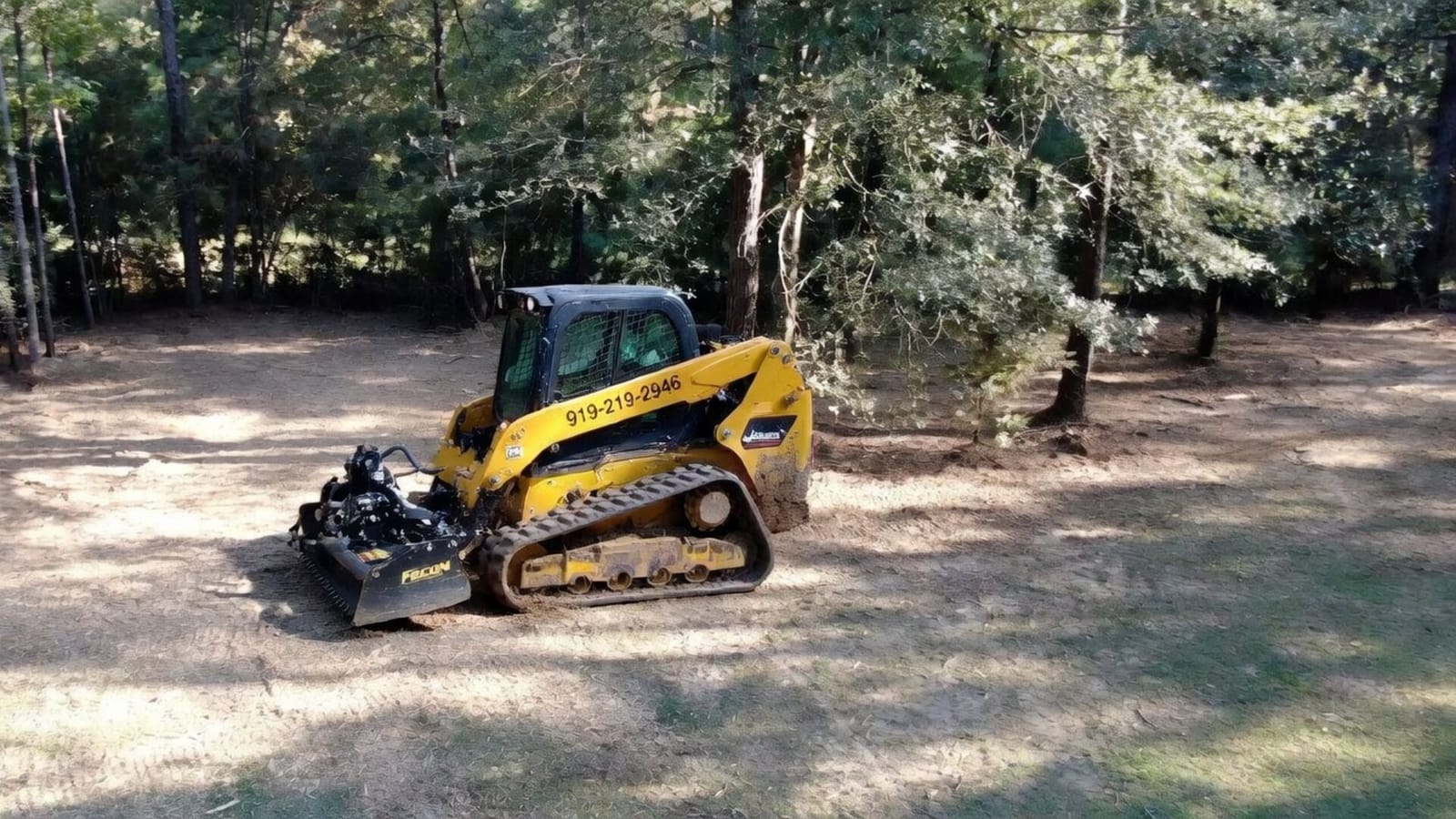
Land clearing in Louisiana runs about $1,500 to $4,500 per acre. How wetlands, soft alluvial clay and the state's burn rules move a quote, and where to get one.
 Cost Guide
Forestry Mulching Cost in New Orleans, LA (2026)
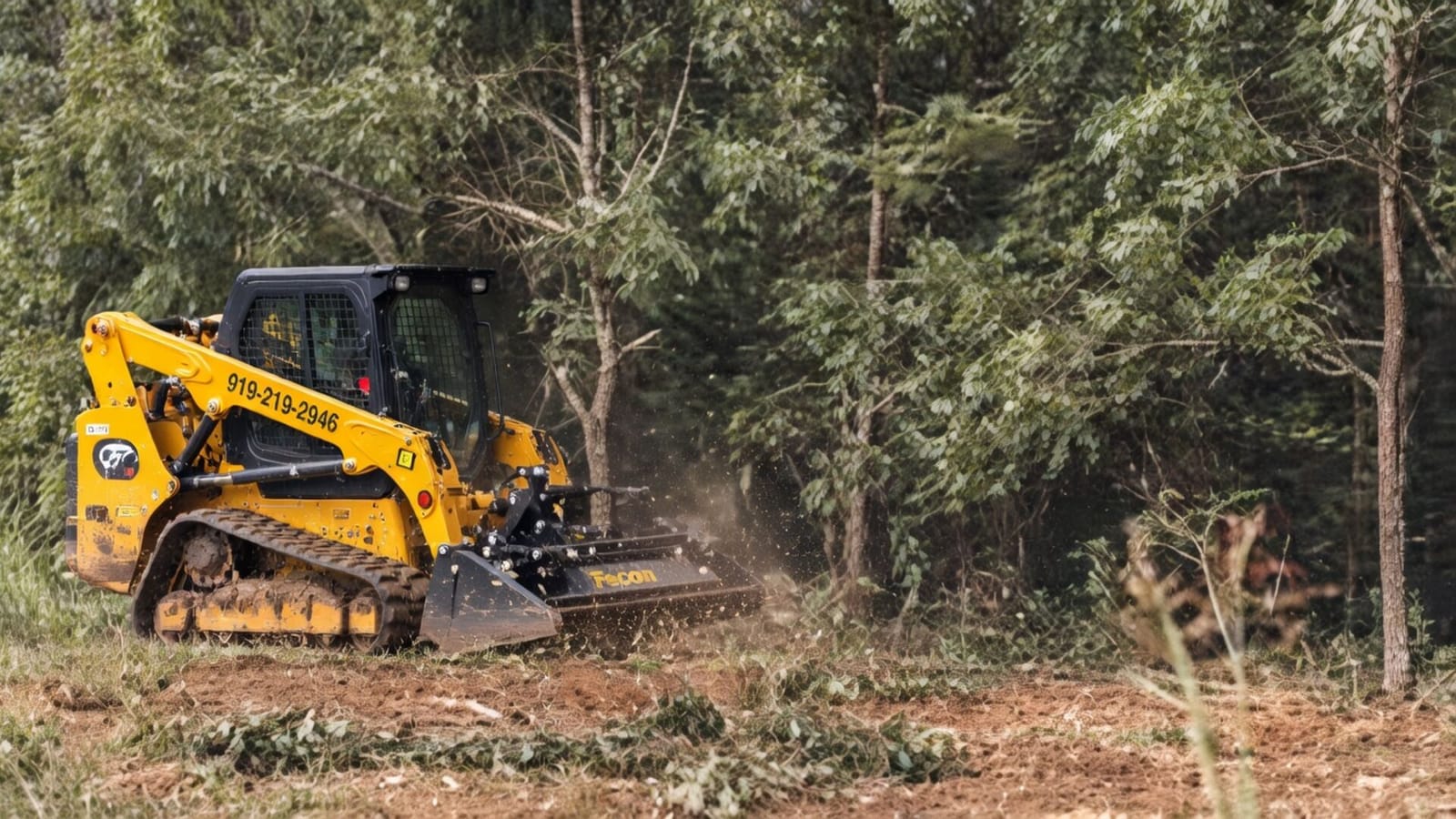
Forestry mulching around New Orleans runs $1,500 to $4,000 an acre. Per acre against day rates, what slows an acre down, and what a city lot really costs.
 Cost Guide
Brush Hogging Cost Per Acre in Louisiana (2026 Guide)
Brush hogging in Louisiana runs $75 to $400 an acre, set by how long the field has gone unmowed. Where Chinese tallow and cogongrass make mowing the wrong job.
Comparing states? See land clearing costs by state.
Let's Get Started on Your Land
Request a free quote. We'll contact you to discuss your property, access, and the clearing you need.
Get a Free QuoteOr call us directly: (919) 525-3950
 Quick answers from Cut Brush