
Brush Hogging Cost Per Acre in Wyoming (2026 Guide)
Cut Brush Team · November 9, 2026 · 9 min read
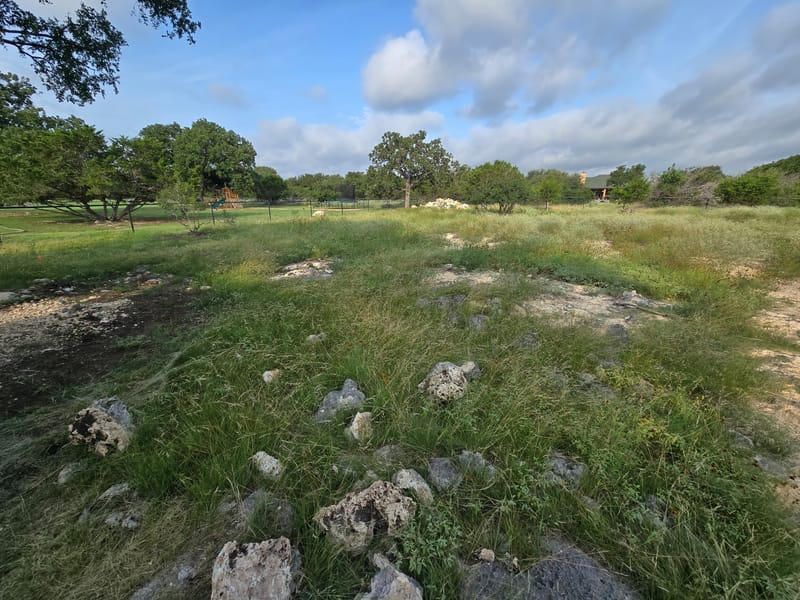
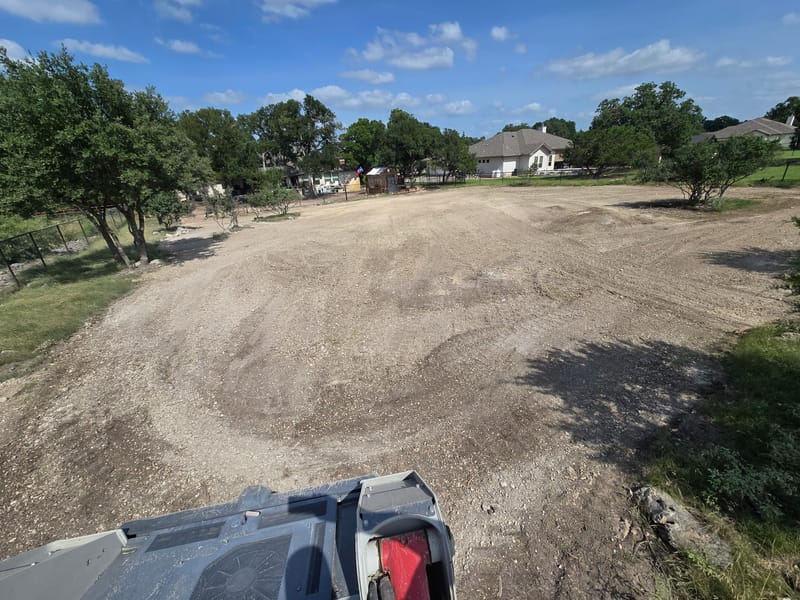
The grass around your place north of Cheyenne is past your knees and turning brown, and the house sits in the middle of it. We brush hog Wyoming fields for $75 to $400 an acre, priced by how long the ground has gone uncut, with a $250 to $500 minimum per visit. A lot mowed last summer sits at the bottom; prairie left three years, with Russian olive shoots in the draw, sits at the top.
At a glance:
- Mowed within the past year: $75 to $150 an acre
- One or two seasons of growth: $125 to $250 an acre; three or more years overgrown: $200 to $400
- Smallest job: $250 to $500 per visit, which is the whole bill on most acreage lots around Cheyenne
- Red Flag Warning days: sparks from a mower or a hot muffler parked over dry grass can start a fire, so those days are not mowing days
- Weeds: Russian olive and salt cedar are state designated noxious weeds, and Laramie County adds cheatgrass, plains pricklypear and puncturevine to its own declared list; mowing holds them back, it does not get rid of them
Our Wyoming crew works through our Ranchettes market, which covers Ranchettes and north Cheyenne, Fox Farm-College, South Greeley, Burns and Pine Bluffs in Laramie County, LaGrange in Goshen County, and Laramie in Albany County. Request a free quote and our crew will contact you to go over the field and how long it has been since the last cut.
How Much Does Brush Hogging Cost in Wyoming?
Around Cheyenne the job is almost always grass: within 15 miles of Ranchettes about 85 percent of the land is grassland, and the trees are planted windbreak rows and Russian olive in the draws. The price follows how much dead grass and woody growth has built up since the last cut:
| Field condition | Our price per acre | What it looks like in southeast Wyoming |
|---|---|---|
| Mowed within the past year | $75 – $150 | A buffer cut around the house and along the drive last summer |
| One or two seasons of growth | $125 – $250 | Tall grass gone brown over a mat of last year’s stems, thistle or cheatgrass patches |
| Three or more years overgrown | $200 – $400 | Deep dead litter, pricklypear low in the grass, young Russian olive shoots in the low spots |
| Saplings past 2 to 3 inches | Not a brush hog job | A Russian olive thicket or a shelterbelt row gone wild: $1,500 – $2,500 or $1,500 – $4,000 an acre |
Where these numbers come from. The three mowing rows are the brush hogging bands we quote everywhere we work, and the last row uses two bands from our Ranchettes pricing page: Windbreak & Fence Line Clearing at $1,500 to $2,500 an acre, and Forestry Mulching at $1,500 to $4,000. When a rough field is quoted by the hour instead, the rate is $60 to $150 an hour. The minimum covers trailering the tractor, so a two-acre Fox Farm-College lot mowed last summer, worth $150 to $300 at the acre rate, usually pays the minimum.
What Changes the Price of a Wyoming Mowing Job
How much dead grass is standing. Prairie that nobody grazes piles up dead stems year after year. A useful test: look straight down, and if you can see bare soil between the plants, there is not enough litter yet to need a mow. Tall-grass ground usually needs mowing or grazing only every third or fourth year, and short-grass ground every five to seven, so a common plan is to split the place into quarters and mow one a year. On a small lot a single quarter often lands at the minimum, so ask about two quarters on one visit.
Woody growth in the draws. Russian olive grows thick in drainages, ditches and wet ground. Shoots under 2 to 3 inches mow with the grass. Past that, the draw moves to our windbreak and fence line band, and a solid stand to mulching; our Wyoming underbrush removal guide and Wyoming forestry mulching guide price that work.
Weed patches that change the order of work. On a field with cheatgrass or thistle, mow clean ground first and the infested patch last, then clean the seed out of the mower deck before it leaves. Ask for that order: it keeps seed from riding to the next field, and it adds time a quote has to account for.
What hides in the grass. Plains pricklypear sits low in Laramie County pasture, and old wire, posts and pipe vanish in grass left three years. Known hazards get mowed around; unknown ground gets mowed slower, which is why a first pass on a long-neglected field sits higher in its band.
Pro tip: If you only mow one thing each year, make it a 100-foot ring around the house and outbuildings. Around a 50 by 40 foot house that ring is about 1.3 acres, which is mowed-within-the-year work at $75 to $150 an acre, and it is usually all the fire buffer a prairie lot needs.
What Grows Back After the Mower Leaves
A brush hog pass on Wyoming grassland is upkeep, not removal. Three things come back.
Russian olive and salt cedar. Both are on the state designated noxious weed list. Cutting the top does not kill Russian olive: a stand ground down with a mulcher sprouts back so thickly that it takes years of follow-up herbicide. A tree cut with a saw and treated on the stump right away needs far less return work, and an application in fall travels furthest, since the tree is drawing carbohydrates into its roots then. Stump treatment is not part of our mowing price. Our Russian olive removal guide sets out the visits.
Cheatgrass. It sprouts in fall and early spring, ripens by early summer and shows as purple to red patches across Wyoming in June. Mowing it before it sets seed slows the spread, but a single plant that seeds undoes the year’s work, and the right week changes with the spring. Laramie County Weed and Pest, in Pine Bluffs at (307) 245-3213 or in Cheyenne at (307) 634-5348, can tell you when.
Thistles and other perennials. Canada, musk and Scotch thistle are all on the state list. Mowing a patch at the same time each year for several years wears some weeds down; others spread faster after a cut, so get the weed identified first.
Brush Hogging Across Southeast Wyoming
Ranchettes, north Cheyenne, Fox Farm-College and South Greeley. Acreage lots with a house in the grass. Most jobs here are the yearly fire buffer and the drive, and they land at the minimum. The Ranchettes page lists every town we cover.
Burns and Pine Bluffs. Eastern Laramie County, where the county weed and pest district keeps its Pine Bluffs office and sandbur and pricklypear sit on the county declared list. A bigger field spreads the trip: twenty acres mowed last year runs $1,500 to $3,000, and the minimum stops mattering.
LaGrange and the Goshen County draws. Where drainages cut through the grass, Russian olive takes hold. The grass prices as mowing; a draw grown into trees is priced on its own line, often as windbreak and fence line work. Our Ranchettes forestry mulching guide works through one row.
Laramie and the Albany County basin. Prairie grass on small acreages does best left uncut until it matures in midsummer, since tall grass holds snow and keeps the wind off the soil. Most owners here need only the buffer around the buildings.
Fire Weather, Nesting Season and Weed Rules in Wyoming
Red Flag Warnings. The National Weather Service office in Cheyenne issues one when humidity sits at 15 percent or lower for three hours or more while wind is sustained or gusting over 25 mph, and the fuel is dry enough to carry fire. On those days, keep every spark out of grass: mowers, chain saws, welding and a truck with a hot muffler parked in dry grass all count. Do not mow under a Red Flag Warning; if one is issued for the day your field is booked, ask to reschedule.
Nesting birds. In eastern Wyoming, wait until late June to mow. Ground-nesting birds have their young out by then, and desirable grasses have set seed heads by mid to late June here (July in central and western Wyoming).
Sage-grouse timing is guidance, not a mowing ban. Wyoming Game and Fish protocols ask that sagebrush treatments in occupied sage-grouse habitat stay out of the 15 March to 30 June nesting window unless no nesting is shown, and out of winter concentration areas from 1 December to 14 March. That covers sagebrush projects, not a grass field near Cheyenne; on sagebrush ground, talk to the local Game and Fish biologist before a spring job.
Noxious weeds. The Wyoming Board of Agriculture and the Wyoming Weed and Pest Council set the state designated list together, and each county can declare more. The per-acre land clearing guide covers burning and stormwater for bigger clearing jobs.
Frequently Asked Questions
How much does it cost to brush hog an acre in Wyoming?
$75 to $150 if it was mowed within the past year, $125 to $250 after one or two seasons, and $200 to $400 once it has gone three years or more. On one acre the $250 to $500 minimum is usually the price, because the tractor still has to be trailered out.
Why do brush hogging prices vary so much?
Because hay mowing and brush hogging are different jobs. A hay rate prices standing grass cut at speed; a brush hog quote prices dead litter, stems up to 2 to 3 inches and whatever hides in a field left for years. That is why our price follows field condition.
When is the best time to mow a field in Wyoming?
In eastern Wyoming, from late June on, and never on a Red Flag Warning day. Cheatgrass and thistle patches are the exception: they need cutting before they set seed, which can mean an earlier pass on just those patches.
What if there are rocks or old fence in the field?
Tell us on the call about everything you know is out there: wire, posts, pipe, rock piles, old machinery. Flagging them before the crew arrives is the cheapest way to keep a first pass in the lower part of its band.
Get a Brush Hogging Quote in Wyoming
Request a free quote and our crew will contact you to discuss the property, the access and how far the field has gone. Choose Ranchettes in the area list below, and see the Ranchettes pricing page for the clearing bands that take over where mowing stops. If the ground needs work for a house or shop after it is cleared, our Wyoming land clearing and grading guide shows which phase is ours and which belongs to your excavating contractor.
Sources
- National Weather Service Cheyenne, Fire weather and Red Flag Warnings
- Laramie County Weed and Pest, State designated and county declared noxious weeds
More from the Cut Brush Blog
Keep reading for more tips and guides on land clearing.
 Cost Guide
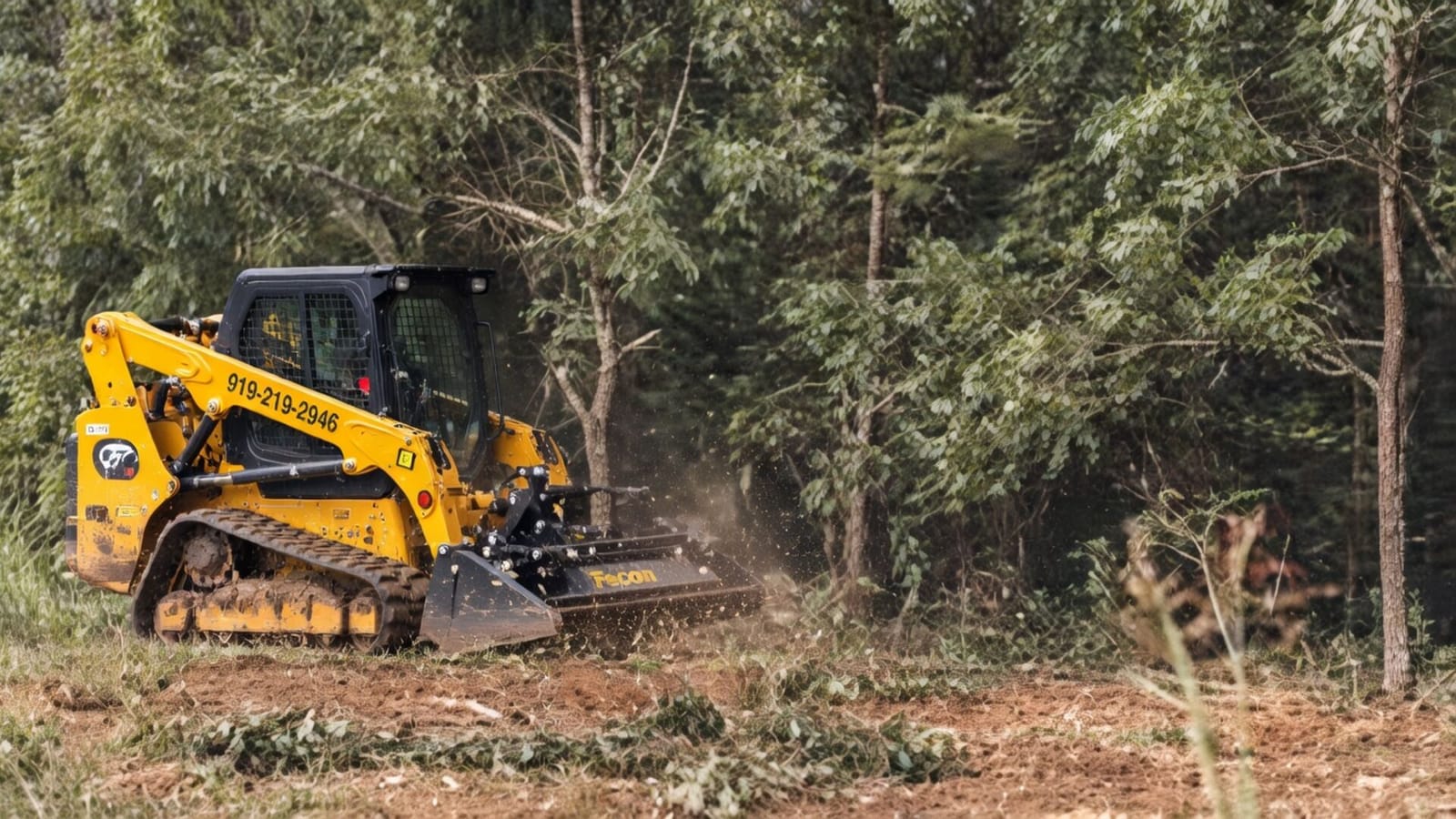
Forestry Mulching Cost in Wyoming (2026 Guide)
Forestry mulching in Wyoming costs $1,500 to $4,000 an acre. See which plants stay down, how long the chips last on dry ground and what a small job costs.
 Cost Guide
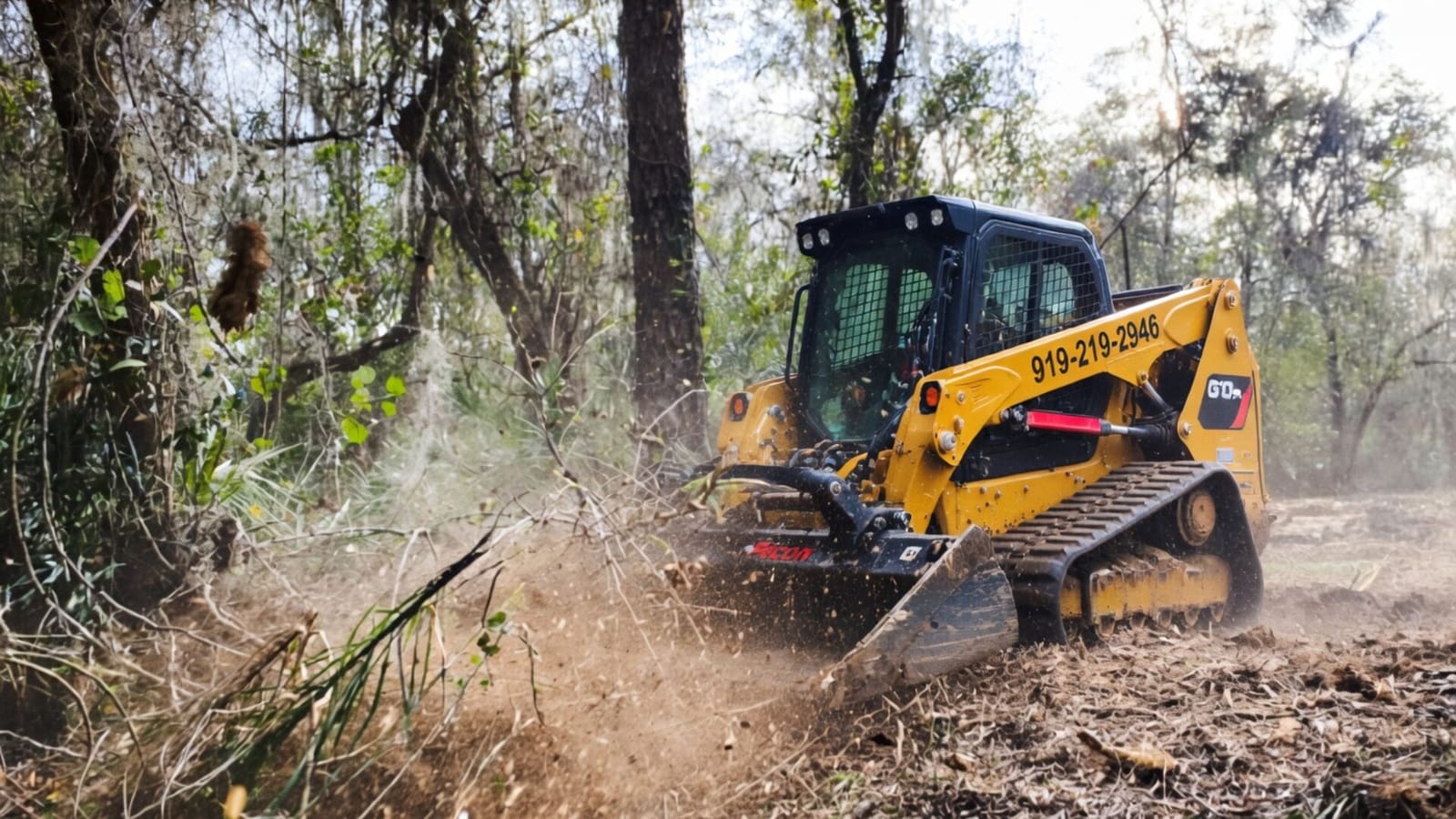
Underbrush Removal Cost in Wyoming (2026 Guide)
Underbrush removal in Wyoming runs $1,500 to $2,500 an acre for windbreak and fence line work near Cheyenne, from a $1,500 minimum. See what moves the price.
Cost Guide Land Clearing Cost Per Acre in Wyoming (2026 Guide)
Land clearing in Wyoming: $1,500 to $4,500 per acre. Juniper, Russian olive and windbreak rows cleared, stumps flush. Request a free quote for your land today.
Comparing states? See land clearing costs by state.
Let's Get Started on Your Land
Request a free quote. We'll contact you to discuss your property, access, and the clearing you need.
Get a Free QuoteOr call us directly: (919) 525-3950
 Quick answers from Cut Brush