
Forestry Mulching Cost in Wyoming (2026 Guide)
Cut Brush Team · November 9, 2026 · 9 min read
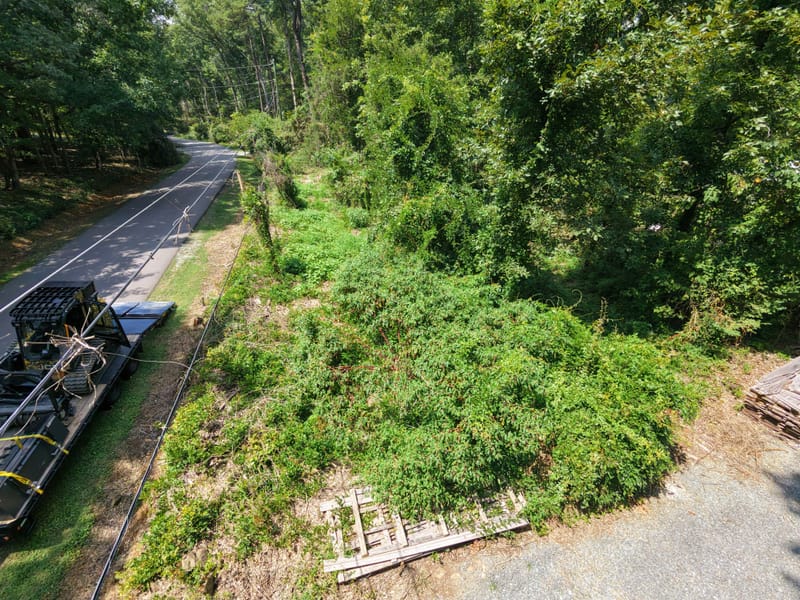
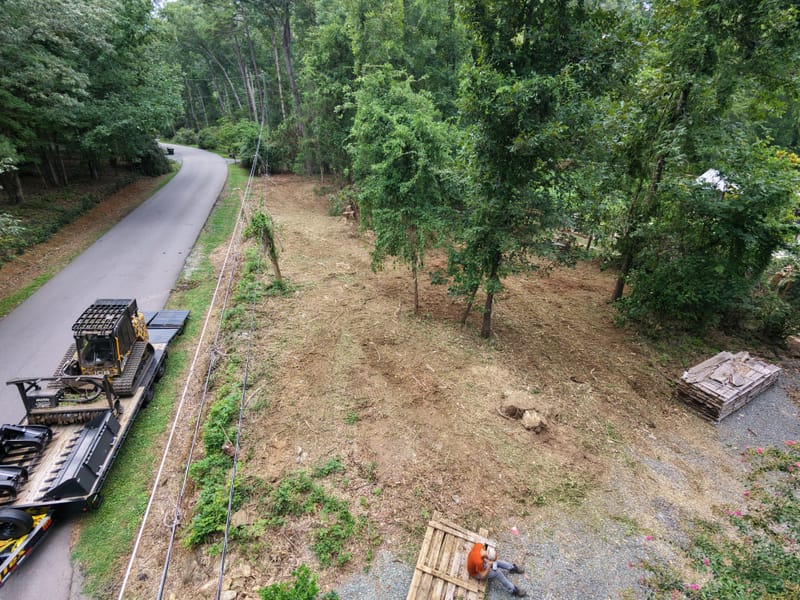
Forestry mulching in Wyoming costs $1,500 to $4,000 an acre with our crew, and a small job such as one shelterbelt row starts at a minimum charge of about $1,500. The bigger question for a Wyoming landowner is what that money buys. Grind Rocky Mountain juniper to the dirt and the job is done, because the tree cannot sprout back. Grind Russian olive or saltcedar the same way and you have paid for a first pass.
At a glance:
- Forestry mulching: $1,500 to $4,000 an acre, from a thin stand in a draw to an old shelterbelt grown solid
- One windbreak row or a brushy fence line: $1,500 to $2,500 an acre, priced by the ground the row covers
- Smallest job: about $1,500, a minimum charge in place of an acre rate, never a fee added on top
- Regrowth: Rocky Mountain juniper stays down; Russian olive and saltcedar, both on Wyoming’s designated noxious weed list, sprout back from what is left
- Fire rule: under Stage 2 restrictions open fires are banned on private and state land in unincorporated Laramie County, and a mulched job needs no fire at all
- The chips: on dry Wyoming ground they last for years and can dry out within a week of hot weather
Our Wyoming crew works from our Ranchettes market north of Cheyenne, which covers Laramie, Goshen and Albany counties. A juniper slope near Casper or a creek bottom in the Bighorn Basin is just as welcome a question.
How Much Does Forestry Mulching Cost in Wyoming?
A forestry mulcher is a tracked machine with a spinning toothed drum on the front. It grinds standing brush and trees where they grow and leaves them as a layer of chips: no pile, no haul, nothing to burn. Here is where Wyoming growth sits in our bands:
| What is standing | Our price per acre | Where it lands, and what follows |
|---|---|---|
| One windbreak row, or brush grown through a wire fence | $1,500 – $2,500 | Priced as the share of an acre the row covers; a lone row usually comes to the minimum |
| A thin stand of young trees in a draw | $1,500 – $4,000 | Near the bottom of the band |
| Rocky Mountain juniper moving into sagebrush or up a slope | $1,500 – $4,000 | Climbs as the crowns close in; one visit, with no sprout visit to plan |
| An old shelterbelt grown solid with volunteer trees | $1,500 – $4,000 | Toward the top, more so with keepers to work around |
| A Russian olive or saltcedar thicket in a draw or creek bottom | $1,500 – $4,000 | The clearing sits in the band; a return visit and the applicator’s treatment are separate lines |
Where these numbers come from. Every range above is published on our Ranchettes pricing page, and those are the bands we quote for Wyoming ground. Stumps finish flush with the soil and the wood stays where it fell. Pulling stumps below grade or hauling very large trunks is its own line, and grading belongs to your dirt contractor. The minimum exists because the tracked machine rides a trailer to your gate whatever the size of the job. Burn rules, stormwater and whole parcels cleared to bare ground are in our Wyoming land clearing cost guide.
What Changes the Price of a Wyoming Mulching Job
Which plant you are paying to remove. A juniper acre is bought once. A Russian olive draw is bought as a clearing plus seasons of follow-up, each shown as its own line before the machine arrives.
How solid the stand has grown. Scattered young trees in a draw let the drum move steadily. An old shelterbelt where volunteers have filled every gap between the planted rows holds the machine to a crawl, and thick trunks in an old row may need felling before the head can take them.
The trees you are keeping. Rows around Cheyenne often mix dead trees, healthy ones and Russian olive volunteers. Flag the keepers before we price it. Working around them is slower than taking the row out whole, so a mixed row lands higher in its band.
Wet ground where the thickets grow. Russian olive and saltcedar crowd drainages and riverbanks, the same ground that ruts under tracks after a spring storm. Those jobs often wait for the bottom to firm up.
Which Wyoming Plants Come Back After Mulching
Rocky Mountain juniper: once is enough. It cannot sprout from a cut stump or root crown. Killed to the ground, it returns only from seed, carried back in by animals over the years. Grind a tree flush and that tree is gone for good, which makes juniper creeping into sage and grass the best value mulching in the state.
Russian olive: plan on years. Grinding a stand usually brings heavy sprouting that takes several seasons of herbicide to beat, while trees felled by saw with each stump treated the same day leave far less to follow up. Our Ranchettes mulching cost guide weighs those two paths on a single windbreak row, and our Wyoming Russian olive removal guide sets out the visits.
Saltcedar: the same problem along the rivers. Saltcedar, the tamarisk that forms pure stands along parts of the Big Horn River, is hard to kill with cutting, mowing or bulldozing alone, because it sprouts hard from the root crown once the top is gone. Mulching opens a choked bank in a day; keeping it open takes a licensed applicator’s follow-up, which the applicator prices.
Forestry Mulching Across Wyoming
Laramie County and the southeast plains. Around Ranchettes, Fox Farm-College, Burns and Pine Bluffs the land is mostly open grass. Mulching here means shelterbelt rows, fence lines and Russian olive in the draws, much of it under an acre, so the minimum charge decides more bills than the acre rate. The same goes for LaGrange in Goshen County and acreage outside Laramie in Albany County. Our Ranchettes and north Cheyenne page lists the towns we cover.
Casper and the juniper country. Around Casper the job is juniper filling in sagebrush and climbing the slopes. This is one-visit work: nothing sprouts, so the whole cost is the first pass, and on a big slope the trailer ride barely shows in the acre rate.
The Bighorn Basin rivers. Along the Big Horn River past Thermopolis, Worland and Greybull, saltcedar grows in pure stands in places and shares the bank with skunkbush sumac, sandbar willow and Russian olive in others. Budget the clearing in our mulching band, then a separately priced sprout plan for the seasons after.
The Black Hills edge. Around Sundance and Newcastle in Crook and Weston counties, the growth is pine rather than juniper or olive. Around a house in pine country, the depth of the chip layer left behind matters as much as the price.
What the Mulch Leaves, and Wyoming Burning Rules
The chips stay for years. Ground wood breaks down slowly in Rocky Mountain country, on wet sites and dry. Expect most of the layer to still be there ten years on, helping the soil hold moisture.
They can burn. A soaked chip layer can dry out completely within a week at 80 degrees and 30 percent humidity. A dry bed will catch and burn, usually patchy and low, with flames under 3 feet creeping less than a foot a minute, and thin or wet layers often will not carry fire at all. In extreme wind, though, mulched ground has burned hard. Near buildings, a thin layer is the safer finish.
Pro tip: Within the roughly 100 feet around your house that counts as defensible space, ask us to leave a thin chip layer rather than a deep mat. Wyoming’s State Forestry Division runs a fuels mitigation program for defensible space and fuel breaks; your District Forester at (307) 777-7586 can tell you what help is open now.
Burning the wood instead. Laramie County lets you burn piles on private land only when no fire restrictions are in place. Under Stage 2, open fires are banned on private and state land in the county’s unincorporated areas, with a fine of up to $100. When burning is allowed, call the Combined Communications Center at 307-637-6525 as you light it. Keep dirt out of the pile: buried coals can hide for days and flare on the next windy afternoon, so check the spot for several days. Mulching skips all of that.
Frequently Asked Questions
Will you take a small job, like one windbreak row?
Yes. A single row is priced by the share of an acre it covers in the $1,500 to $2,500 band, and when that comes to less than the minimum, it is charged about $1,500 with nothing added. Putting a second row or a fence line on the same visit gets more from that trip.
Will the juniper grow back after it is mulched?
Not from the stump. Rocky Mountain juniper does not resprout once it is cut or killed to the ground, so a mulched tree is gone. New trees arrive slowly, from seed carried in by animals, rather than as a ring of shoots around each stump.
Can the mulch catch fire near my house?
It can once it dries, which takes about a week of hot, dry weather. Most dry chip beds burn low and patchy, but in extreme wind they have burned hard, so near buildings ask for a thin layer and ask what depth we will leave.
Why does a Wyoming mulching quote run higher than some prices I have seen?
A per-acre figure in the hundreds of dollars says nothing about the machine, the growth or the ground behind it. Ours is a tracked mulcher on Wyoming ground, trailered to your gate, priced from $1,500 to $4,000 an acre in writing before work starts.
Should I pay by the acre or by the hour?
We price the job from our acre bands, so you get one written price for the finish we agree. Any return visit for sprouts is listed on its own line, and the bill does not grow with the hours.
Get a Forestry Mulching Quote in Wyoming
Request a free quote and our crew will contact you to talk through the property, the access and the clearing you need: juniper, a shelterbelt row, or a draw full of Russian olive. Pick the nearest area below.
For the rest of the work on your land, see our Wyoming guides to brush hogging costs, underbrush removal costs and land clearing and grading costs.
Land that runs over the state line is in our Colorado forestry mulching guide.
Sources
- Laramie County Fire Warden, open burning guidelines
- Wyoming Game and Fish Department, Russian olive control
More from the Cut Brush Blog
Keep reading for more tips and guides on land clearing.
 Cost Guide
Land Clearing Cost Per Acre in Wyoming (2026 Guide)
Land clearing in Wyoming: $1,500 to $4,500 per acre. Juniper, Russian olive and windbreak rows cleared, stumps flush. Request a free quote for your land today.
Cost Guide Forestry Mulching Cost in Ranchettes & Cheyenne, WY
Forestry mulching in Ranchettes and Cheyenne, WY: $1,500 to $4,000 an acre. Windbreak row costs, mulching versus cutting. Request a free quote today.
 Cost Guide
Underbrush Removal Cost in Wyoming (2026 Guide)
Underbrush removal in Wyoming runs $1,500 to $2,500 an acre for windbreak and fence line work near Cheyenne, from a $1,500 minimum. See what moves the price.
Comparing states? See land clearing costs by state.
Let's Get Started on Your Land
Request a free quote. We'll contact you to discuss your property, access, and the clearing you need.
Get a Free QuoteOr call us directly: (919) 525-3950
 Quick answers from Cut Brush