
Underbrush Removal Cost in Wyoming (2026 Guide)
Cut Brush Team · November 9, 2026 · 9 min read
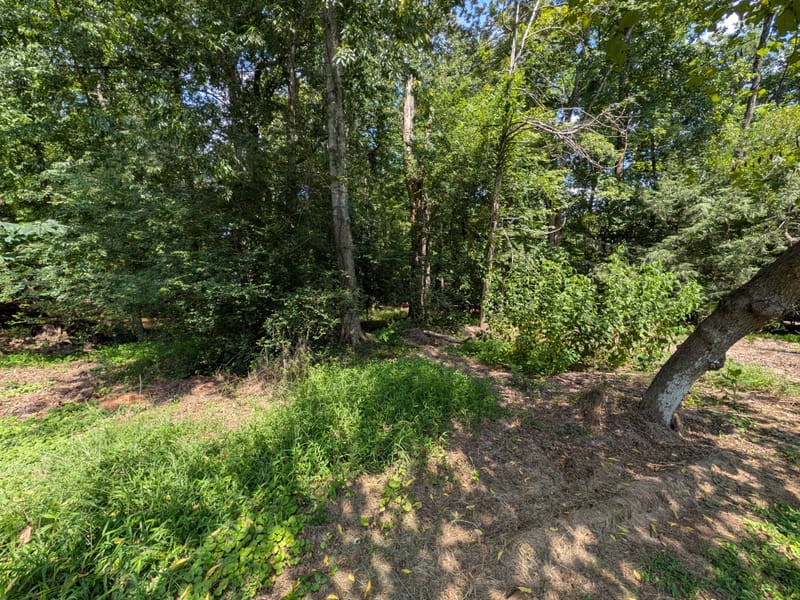
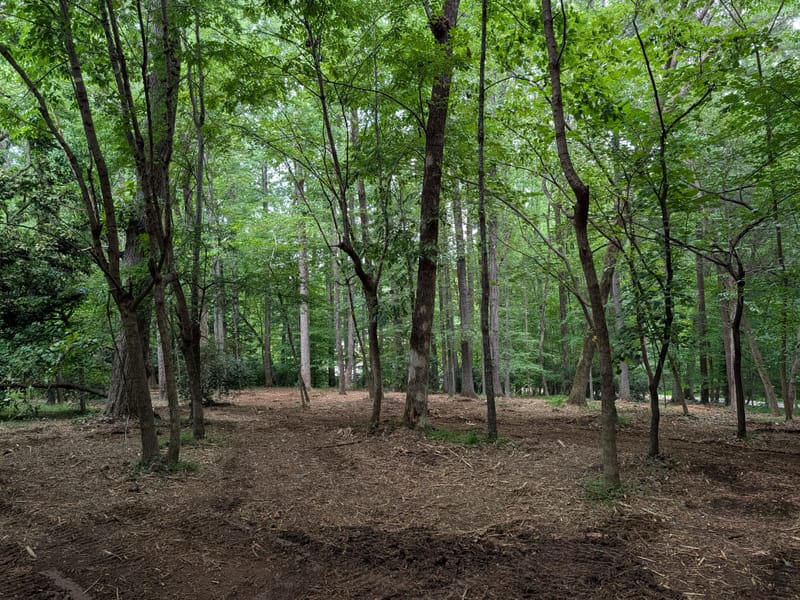
Underbrush removal in Wyoming costs $1,500 to $2,500 an acre with our crew, the windbreak and fence line clearing rate we publish for Ranchettes and north Cheyenne, and small jobs start at a minimum charge of about $1,500. A draw grown solid with Russian olive moves up to our forestry mulching rate of $1,500 to $4,000 an acre.
On the grass country around Cheyenne, “underbrush” seldom means a forest floor. It means the Siberian elm and Russian olive volunteers filling the gaps under an old shelterbelt, brush grown through a wire fence, a draw gone to thicket, and the growth crowding a house that a grass fire would reach first.
At a glance:
- Windbreak and fence line clearing, keeper trees left standing: $1,500 to $2,500 an acre, with a row priced by the share of an acre it covers
- Russian olive or brush grown solid in a draw: $1,500 to $4,000 an acre
- Smallest job: a minimum charge of about $1,500, charged in place of an acre rate, never on top of one
- Weeds: Russian olive and saltcedar are on Wyoming’s state designated noxious weed list; Siberian elm is not
- Around the house: the county’s wildfire plan calls for a mowed strip of at least 100 feet around homes on grass, with tree and shrub rows kept out of the first 30 feet; check with the county for current rules
- Burning the wood: allowed on private land in Laramie County only with no fire restrictions in place and a call to 307-637-6525
Our crew does this work across Ranchettes, north Cheyenne and Southeast Wyoming, from Fox Farm-College and South Greeley out to Burns, Pine Bluffs, LaGrange, WY and Laramie, WY, through our Ranchettes market.
How Much Does Underbrush Removal Cost in Wyoming?
Much of this work covers less than an acre, so the minimum often sets the bill. Our bands, by what is standing:
| What is standing | Our price per acre | What it looks like |
|---|---|---|
| Brush and volunteers inside the first 30 feet around a house | $1,500 – $2,500, usually the minimum | Russian olive and elm seedlings against a garage wall or a back deck |
| Volunteers under and between shelterbelt rows, healthy trees kept | $1,500 – $2,500 | Elm and olive saplings filling the gaps in a farmstead windbreak |
| Brush and trees grown through a wire fence | $1,500 – $2,500 | A pasture line you can no longer walk or stretch new wire along |
| Russian olive or willow grown solid in a draw | $1,500 – $4,000 | A thorny thicket you cannot drive through |
| Old rows taken out entirely, cleared to the soil | $1,500 – $4,500 | Dead and dying elms you want gone, keepers and all |
Where these numbers come from. Every band is published on our Ranchettes pricing page, where this work is listed as Windbreak & Fence Line Clearing. A job can land anywhere inside its band depending on what is standing and how we reach it. The minimum exists because the tracked mulcher arrives on a trailer whatever the size of the job.
Take a 40 by 60 foot house with a 30-foot ring around it. That ring covers about 0.22 of an acre, which at our windbreak rate works out to roughly $330 to $550, well under the minimum. So the zone is charged the minimum of about $1,500, and a fence line or a second row on the same visit gets more out of that trip.
What Changes the Price of a Wyoming Underbrush Job
Which trees stay. Siberian elm and Russian olive went into prairie homestead windbreaks to hold the topsoil against the wind, and both spread well past their rows. Taking the whole row is fast. Picking volunteers out from between the trees you want kept means slower, closer work, which puts the job higher in the band.
Dead elm wood. The banded elm bark beetle is the most frequently reported killer of Siberian elm in Wyoming, so many old rows carry standing dead trunks. A thick dead elm may need felling before the cutting head can grind it, and that adds time.
Thorns and the follow-up. Russian olive sprouts from its root crown and suckers from its roots after it is cut, and its seed stays viable in the ground for up to three years. Our clearing price covers the first pass. A licensed applicator prices any herbicide on stumps or sprouts, and a return visit from us to cut regrowth is its own line.
Getting to the growth. A narrow gate, horses in the paddock, buried utility lines beside a row or a draw still soft from a spring storm all slow a tracked machine. Open grass between the road and the row is the cheap case.
Old Shelterbelts: What to Clear and What Comes Back
Many old rows here were planted with the same two trees, Siberian elm and Russian olive, and Wyoming treats them differently. Russian olive and saltcedar are on the state designated weed list, the species every county weed and pest district has to manage. Siberian elm is not on that list, so a dying elm row is a hazard and a cost, not a legal duty.
That changes what goes first. Dead and dying elms come out before anything else, and the living ones can stay a few more years to shelter young replacement trees planted in their lee. Russian olive in the row is the part that will fight back.
Pro tip: If you are replanting, leave a living elm or two standing until the new trees are established. Their shade and shelter protect the young trees, and we can come back for the old ones later.
Plan Russian olive as work over more than one season. On a cut-stump job, the applicator treats each stump within 15 minutes of the cut, because the tree starts healing the wound at once. Sprouts that come up the next season are best treated once they reach 2 to 3 feet tall and are fully leafed out. Our Wyoming Russian olive removal guide sets out each visit, and the Ranchettes forestry mulching cost guide compares grinding a row with cutting and treating it.
Underbrush Work Across Southeast Wyoming
Ranchettes, north Cheyenne, Fox Farm-College and South Greeley. Acreage lots with one or two old rows close to the house, and most jobs here sit at the minimum. Inside Cheyenne city limits, city code makes weeds and grass over 6 inches, and every state designated noxious weed, a nuisance, easements and fenced areas included, though the chief of police can exempt plantings grown for looks. Ranchettes and the county ground around it sit outside the city and that code.
Burns, Pine Bluffs and LaGrange, WY. Bigger farm and ranch parcels, where a fence line or a draw is more often the job than a house zone. A long fence line is priced by the strip it covers, so pairing it with a draw or a farmstead row makes the trip count.
West of Cheyenne toward Curt Gowdy State Park. The ground climbs from rolling prairie near 6,420 feet through rocky bluffs and foothills to pine-covered low mountains near 7,750 feet, with a grass and shrub mix of bitterbrush, mountain mahogany and sagebrush 1 to 3 feet high across part of it. Pine beetles have killed up to half the standing trees in some stands. Homes in timber there get a different job from the county plan: thin trees about 30 feet out so the crowns do not touch, take out standing dead trees, limb the lower 6 to 10 feet and remove the brush beneath. Laramie, WY, over the line in Albany County, is in our service area too.
The rest of Wyoming. Juniper in sagebrush near Casper and Russian olive in the Bighorn Basin are covered in our Wyoming land clearing cost guide.
Fire Rules and Burning Around Cheyenne
What the county asks for. Laramie County’s Community Wildfire Protection Plan proposes a 30-foot minimum for homes built in the wildland interface, and for homes on grass it calls for three things: a mowed strip of at least 100 feet, a fuel-free band 5 to 15 feet wide right against the walls, and no tree or shrub rows within 30 feet. A windbreak planted close for shade turns into a source of intense heat beside the house when fire reaches it. Those are the plan’s recommendations; check with the county for the rules in force today. The 30-foot zone is exactly the work this guide prices.
Burning what you cut. Mulching leaves no pile. If you cut and pile instead, a pile on private land can be lit only on a day with no fire restrictions; phone 307-637-6525 as you light it and scrape a 10-foot ring bare around it. Keep dirt out of the pile, because fire can hide in it and come back out days later on a windy afternoon. Never pile under power lines, and burn after snow or rain on a calm day.
Frequently Asked Questions
Do I have to clear brush around my house by law in Laramie County?
The county’s wildfire plan calls for a 100-foot mowed strip on grass, a 5 to 15 foot fuel-free band against the house and no tree rows inside 30 feet. Check with the county for the rules that apply to your parcel today. Inside Cheyenne city limits, the 6-inch weed rule applies to the whole lot.
Why do clearing prices for Cheyenne land vary so much?
A figure might be per acre, per lot or per job, for hauling piles, mulching a closed stand or clearing a whole property. Ask what the number measures. Our rate for a row, a fence line or a house zone is $1,500 to $2,500 an acre, with most small jobs at the minimum of about $1,500.
What is the best time of year to clear underbrush in Wyoming?
Winter work on frozen ground limits soil disturbance, and disturbed soil invites weeds. Russian olive sprouts are treated the next growing season, once they are 2 to 3 feet tall and leafed out.
What happens to the brush and stumps?
The mulcher grinds brush, saplings and stumps into chips where they stand, stumps finish flush and nothing leaves the property. Pulling stumps below grade is priced in the quote, and any grading belongs to your dirt contractor.
Get an Underbrush Removal Quote in Wyoming
Request a free quote and our crew will contact you to discuss the property, the access and the clearing you need, from a single row to a draw. Pick the nearest area below to start. The Ranchettes pricing page lists every band. Open pasture is in our Wyoming brush hogging cost guide, and bigger jobs in our Wyoming forestry mulching cost guide and Wyoming land clearing and grading cost guide.
Sources
- Laramie County Fire Warden, Cheyenne / Laramie County Community Wildfire Protection Plan
- Wyoming Weed & Pest Council, State Designated Weed List
More from the Cut Brush Blog
Keep reading for more tips and guides on land clearing.
 Cost Guide
Land Clearing and Grading Cost in Wyoming (2026 Guide)
Clearing a Wyoming house site runs $1,500 to $4,500 an acre before grading. See who does each phase, Laramie County's GESC permit and DEQ stormwater rules.
 Cost Guide
Forestry Mulching Cost in Ranchettes & Cheyenne, WY
Forestry mulching in Ranchettes and Cheyenne, WY: $1,500 to $4,000 an acre. Windbreak row costs, mulching versus cutting. Request a free quote today.
 Cost Guide
Brush Hogging Cost Per Acre in Wyoming (2026 Guide)
Brush hogging in Wyoming costs $75 to $400 an acre by field condition, with a $250 to $500 minimum. When to mow prairie grass, fire weather and what grows back.
Comparing states? See land clearing costs by state.
Let's Get Started on Your Land
Request a free quote. We'll contact you to discuss your property, access, and the clearing you need.
Get a Free QuoteOr call us directly: (919) 525-3950
 Quick answers from Cut Brush