
Land Clearing and Grading Cost in Nebraska (2026 Guide)
Cut Brush Team · November 9, 2026 · 9 min read

Clearing a Nebraska building site with us costs $1,500 to $4,500 an acre, and the grading is a second quote from your excavating contractor. A cedar draw outside Nebraska City or a wooded acreage on the bluffs south of Bellevue needs both before a footing is poured: the trees off the footprint, then the dirt cut, filled and packed for the pad and the drive.
We do the first job and stop at the soil surface.
At a glance:
- House site, drive and utility path opened: $1,500 to $4,500 per acre equivalent
- Cedar and brush mulched in place around the build: $1,500 to $4,000 an acre
- Smallest job: a minimum charge of about $1,500
- Grading, pad, drive base and topsoil: your excavating contractor’s quote, after we leave
- An acre or more disturbed, clearing included: state construction stormwater coverage, with a pollution prevention plan and a Notice of Intent filed at least 7 days before work starts
- Mapped floodplain in Plattsmouth: fill, grading and clearing need a floodplain development permit before a machine moves
Our Nebraska crews work the Plattsmouth & Cass County market: Cass, Sarpy, Douglas and Otoe counties, from Gretna and Papillion down to Nebraska City.
How Much Does Land Clearing and Grading Cost in Nebraska?
A Nebraska homesite goes through six phases, done by two trades, in this order.
| Phase | Who does it | Price |
|---|---|---|
| 1. Open the house site, drive and utility path | Cut Brush | $1,500 – $4,500 per acre equivalent |
| 2. Mulch the cedar and brush you are not building on | Cut Brush | $1,500 – $4,000 an acre; young cedar under head height $1,500 – $2,500 |
| 3. Pull stumps below grade under the pad and drive | Cut Brush | A separate line in our quote |
| 4. Write the stormwater plan, file the Notice of Intent, set silt fence | You or your builder | Set by your plan |
| 5. Strip and stockpile topsoil, cut and fill, build the pad and drive base | Your excavating contractor | Their quote |
| 6. Spread the topsoil back and seed the bare ground | Your excavating contractor or builder | Their quote |
Where these numbers come from. Rows 1 to 3 are the lot and homesite prep, forestry mulching and young cedar bands on our Plattsmouth pricing page, with whole-acreage land clearing at $1,500 to $4,500 an acre. Mulching grinds brush, small trees and stumps into chips where they stand, with stumps flush and nothing hauled. The $1,500 minimum is where a small job starts, not a fee stacked on top. Rows 4 to 6 are unpriced because we do not do that work. For per-acre detail by cedar height, read our Nebraska land clearing cost guide.
What Changes the Price of a Nebraska Building Site
Bluff slope under the footprint. Along the Missouri in eastern Nebraska, house sites sit on deep silty loess, the Monona and Marshall soils, on slopes that run as steep as 40 percent on Monona ground. Working across a side slope slows our machine, so a bluff lot sits high in its band. The dirt half climbs too, because a level pad on a slope means cutting the uphill side and filling the downhill one. Bare loess on a steep side is exactly the ground the state’s erosion rules ask a site to disturb as little as possible.
How much ground comes open. The state stormwater permit starts at one acre of disturbance, and changing the vegetative cover counts, so clearing day counts toward the acre, not only the dirt work. A pad, drive and septic area that together stay under an acre, on a parcel that is not part of a larger subdivision plan, stay below it. Where a site does pass an acre, the plan has to keep exposed soil to a minimum and save the topsoil. That is one more reason to open only what the builder needs and leave the rest under a mulch mat; our Nebraska forestry mulching cost guide prices that part.
Stumps where the pad and drive go. Cedar is the usual tree on these lots, and redcedar cut below its lowest branches does not grow back. Outside the footprint, a flush stump is finished. Under a footing or a drive base the roots have to come out, and pulling them below grade is its own line in our quote, so have the pad staked before we price the job.
When the dirt work starts. Once earth disturbing work stops for more than 14 days, the permit wants the bare ground stabilized within 14 days, except where snow or frozen ground makes that impossible. Clear in late fall and grade in spring, and you may pay for seed and straw on ground left open. Book the clearing close to your excavator’s start; where we mulch in place, the chip mat stays as cover.
Floodplain bottoms. Plattsmouth sits where the Platte meets the Missouri, and a lot on bottom ground may need its pad raised with fill. That fill, the grading plan behind it and, in a floodway, an engineer’s no-rise certification all land on the dirt side of the budget, and none of it starts until the permit is approved.
Pro tip: Walk the lot with your builder and stake the pad, drive, septic field and the trees you are keeping before we quote. On a loess bluff, every strip of grass and cedar you leave standing downhill of the pad is ground that never needs silt fence or reseeding.
Where in Nebraska Is Your Lot?
The Missouri bluffs, Plattsmouth to Nebraska City. Loess side slopes, cedar draws and river bottoms in Cass and Otoe counties, where slope sets the clearing pace and the floodplain decides whether the pad goes up. Outside town limits, floodplain development permits run through Cass County Zoning in Plattsmouth. The Plattsmouth land clearing page covers the towns, and the Plattsmouth forestry mulching cost guide covers bluff-side mulching.
The Omaha edge: Sarpy and Douglas counties. Acreages around Gretna, Papillion, La Vista and Bellevue meet local grading rules too. Sarpy County requires a grading permit once more than an acre is disturbed and a floodplain development permit for any work in the floodplain, grading included. Inside Omaha, a grading permit applies at one acre or more, or to a smaller site within a larger plan, and a smaller site still has to hold down the runoff leaving it.
Lincoln and the land around it. Above an acre, the City of Lincoln wants its own approval alongside the state’s, and that reaches the edge areas its comprehensive plan covers in Lancaster County. A single house lot inside a subdivision needs an individual lot permit before construction starts.
South-central uplands and the Sandhills. Around Hastings and Holdrege, the Holdrege loess uplands mostly run 0 to 4 percent slope, so a pad needs little cut and fill and the dirt bill is mostly the drive and the pad height. In the north-central Sandhills, Valentine sand is excessively drained, with slopes of up to 80 percent on the dunes. Runoff is low on that sand, so the grass cover is what you protect: open only the footprint and get grass back on what is left bare. Keeping trees around the house? Our Nebraska underbrush removal cost guide covers clearing beneath them.
Permits for Clearing and Grading in Nebraska
State stormwater. The Nebraska Department of Water, Energy, and Environment (DWEE) requires construction stormwater coverage for a project that disturbs one acre or more, or less than an acre when it is part of a larger plan of development or sale. The stormwater pollution prevention plan is written first, then the Notice of Intent goes in at least 7 days before work starts; processing usually takes two to four days. While open, the site is inspected every 7 days, or every 14 days plus within 24 hours of a quarter-inch rain. Exits onto paved roads get stabilized so trucks do not track silt. Check the DWEE construction stormwater page for the current permit and form. You or your builder file it; we never file permits.
Floodplain. Inside Plattsmouth, the city’s floodplain development permit covers fill, grading, clearing and excavation, and no work starts until the floodplain administrator approves it. A site in the floodway also needs a no-rise certification from a registered professional engineer. In rural Cass County, Cass County Zoning handles floodplain development permits at 13860 12th St. in Plattsmouth, 402-296-9359. Call before ordering a load of fill.
Burning. State law bans fires for clearing land unless your local fire chief waives the ban: by a permit for your burn (fee up to $10), or by a department-wide waiver, after which you notify the chief before lighting. Burning trees cleared for construction also needs a state open fire permit. Mulching leaves nothing to burn.
Frequently Asked Questions
Will the lot be smooth when you finish, or does the builder grade it?
The builder’s side grades it. We leave stumps flush and a chip mat where we mulched: fine for pasture or lawn, not a building pad. Your excavating contractor strips the topsoil, shapes the pad and drive, and spreads the topsoil back.
Do I need a permit to clear and grade a lot in Nebraska?
If the clearing and grading together disturb an acre or more, or the lot is part of a larger subdivision plan, you need state construction stormwater coverage, filed at least 7 days ahead. Sarpy County, Omaha and Lincoln add their own grading or erosion permits, and any floodplain lot needs a floodplain development permit.
Can I add fill to raise a house pad near Plattsmouth?
Only after the floodplain permit is approved if the lot is in a mapped floodplain. Inside the city, fill is one of the activities the floodplain development permit covers; in rural Cass County, the application goes to Cass County Zoning. In a floodway, plan on an engineer’s no-rise certification as well.
Do you charge by the hour or by the acre?
By the acre, within our Plattsmouth bands, as one written figure for the finish we agree. The minimum charge of about $1,500 covers getting a tracked machine to your gate, so there is no separate trailer fee.
How deep do the stumps need to come out under a house pad?
Deep enough that no root mass sits under the footing or drive base; your builder’s plans set the final depth. Outside that footprint a flush cut finishes redcedar, which does not sprout from the stump.
Get a Clearing Quote Before You Book the Excavator
Request a free quote and pick the nearest area below. Our crew will contact you to discuss the property, the access and the clearing needed, so your excavating contractor arrives to a site cleared for the pad and the drive. Our Plattsmouth pricing page lists the bands in full.
Land across the Missouri in Mills or Pottawattamie County is covered in our Iowa land clearing and grading cost guide.
Sources
- Nebraska Department of Water, Energy, and Environment, Construction Storm Water Permit
- Cass County, Nebraska, County Zoning
More from the Cut Brush Blog
Keep reading for more tips and guides on land clearing.
 Cost Guide
Underbrush Removal Cost in Nebraska (2026 Guide)
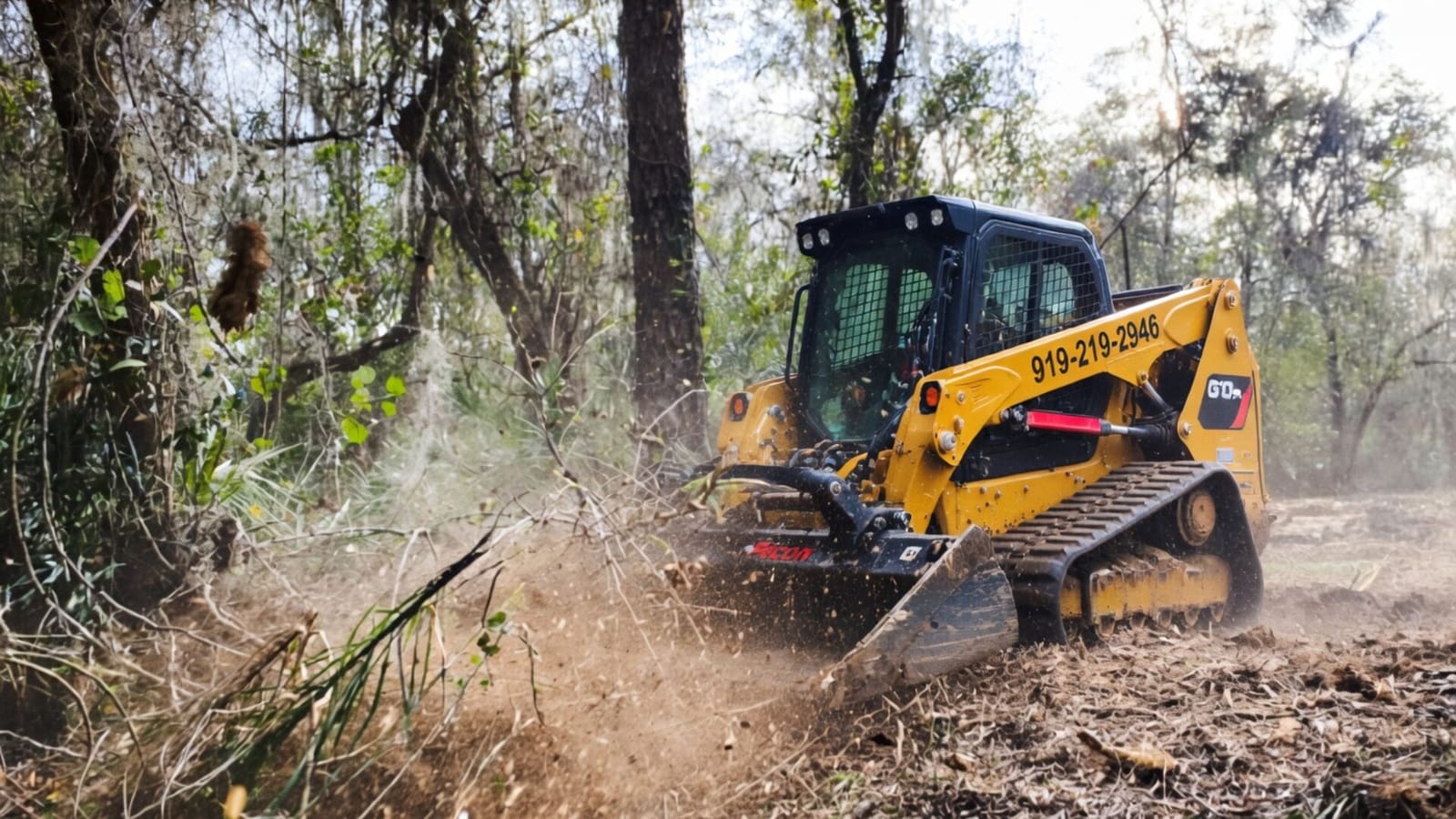
Underbrush removal in Nebraska costs $1,500 to $2,500 an acre on our Plattsmouth bands. See what honeysuckle, bluff slopes and the oaks you keep do to it.
 Cost Guide
Forestry Mulching Cost in Nebraska (2026 Guide)
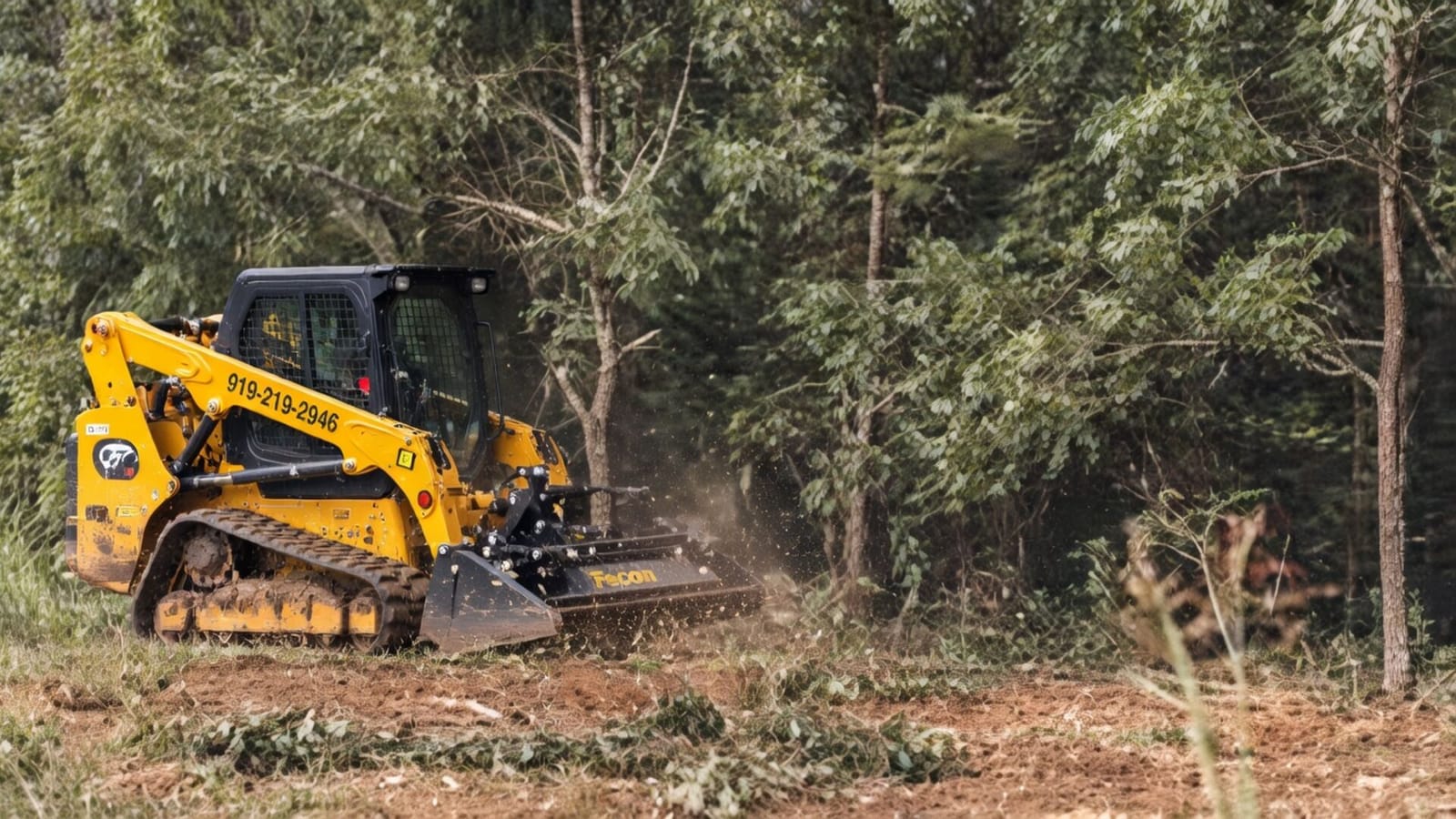
Forestry mulching in Nebraska costs $1,500 to $4,000 an acre. See how cedar stage, loess bluffs and the state's two burn permits for piles change your price.
 Cost Guide
Land Clearing Cost Per Acre in Nebraska (2026 Guide)
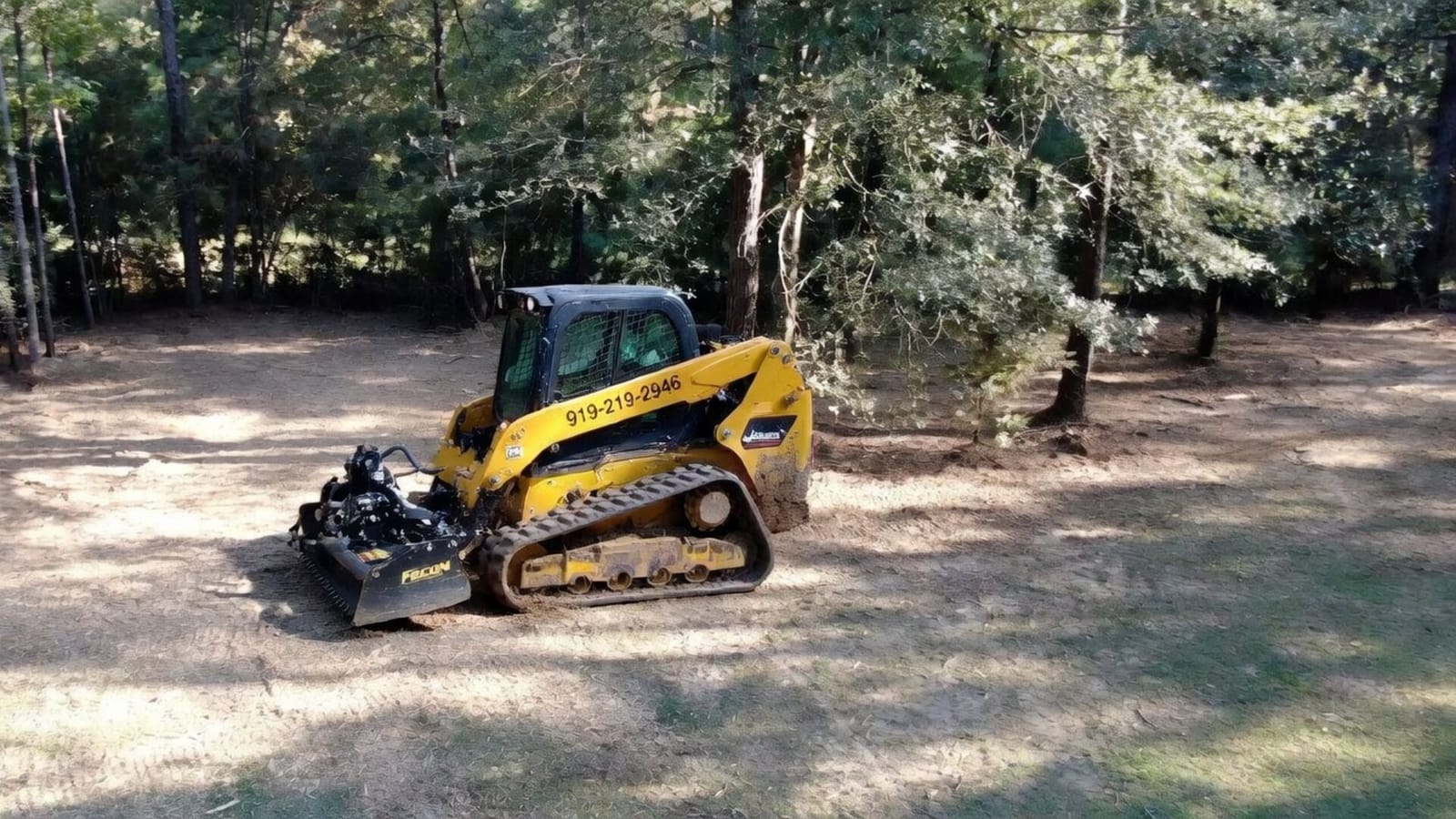
Land clearing in Nebraska: $1,500 to $4,500 an acre. See what cedar height and burning rules add around Plattsmouth. Request a free quote for your land today.
Comparing states? See land clearing costs by state.
Let's Get Started on Your Land
Request a free quote. We'll contact you to discuss your property, access, and the clearing you need.
Get a Free QuoteOr call us directly: (919) 525-3950
 Quick answers from Cut Brush