
Underbrush Removal Cost in Nebraska (2026 Guide)
Cut Brush Team · November 9, 2026 · 9 min read
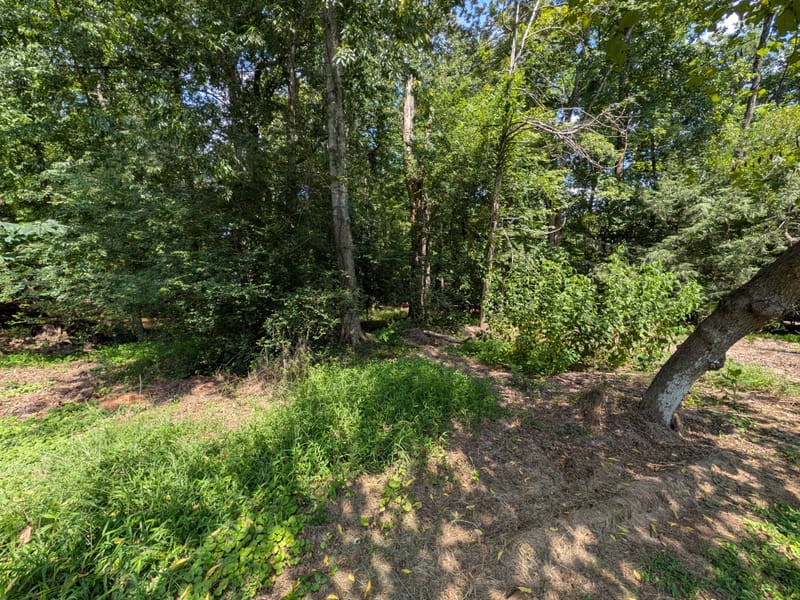
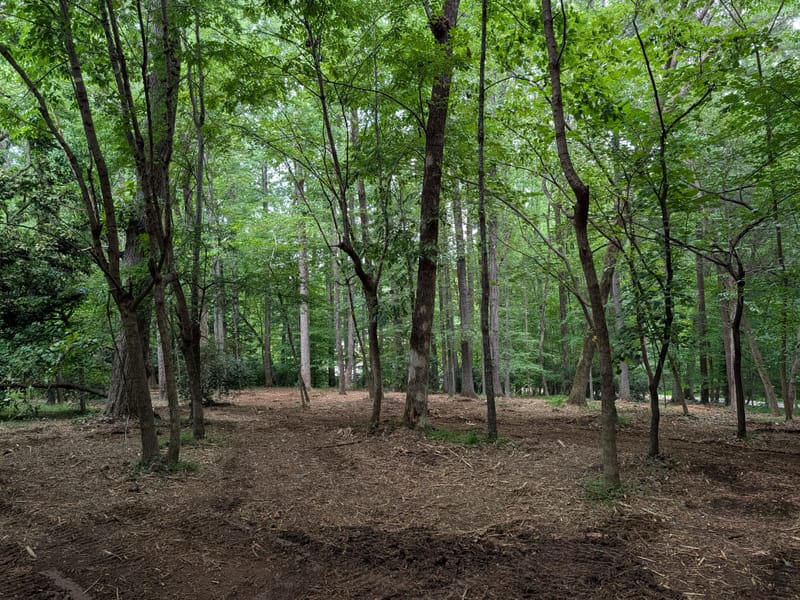
You bought the acreage above the Missouri for the oaks, and now you cannot see them for the honeysuckle. Clearing the shrubs and saplings under trees you keep costs $1,500 to $2,500 an acre with Cut Brush in Nebraska, the young cedar and brush clearing band we publish for Plattsmouth and Cass County. The oaks, hickories and redbuds you flag stay standing; the layer beneath them is ground into mulch where it grows.
It sits under full land clearing ($1,500 to $4,500 an acre) because the big trees stay. Head-high Amur honeysuckle on a loess side slope pushes a job toward the top; scattered young cedar in an oak opening keeps it near the bottom.
At a glance:
- Brush, saplings and young cedar under trees you keep: $1,500 to $2,500 an acre
- Understory grown into closed cedar past 10 feet: priced as forestry mulching, $1,500 to $4,000 an acre
- Smallest job: a minimum charge of about $1,500
- What comes back: watch cleared honeysuckle for new sprouts; cedar cut below its lowest branches does not regrow
- Burning the brush: state law bans fires for clearing land unless your local fire chief waives it, by a permit for your burn (fee up to $10) or a district-wide waiver
- Help with the bill: Firewise defensible space cost share reimburses up to 75 percent of removing flammable trees and shrubs around a Nebraska home
Our Nebraska crew works out of our Plattsmouth market, which covers Cass, Sarpy, Douglas and Otoe counties, from Bennington and Gretna down to Nebraska City.
How Much Does Underbrush Removal Cost in Nebraska?
Under an eastern Nebraska canopy, that usually means Amur honeysuckle, autumn olive, Siberian elm seedlings and young redcedar. The price follows what is standing under the trees:
| What is under your trees | Our price per acre | What it looks like |
|---|---|---|
| Scattered brush, young cedar and saplings among oaks | $1,500 – $2,500 | You can walk through it; leaf litter or grass still shows between stems |
| Honeysuckle or autumn olive filling every gap between trunks | $1,500 – $2,500, toward the top | A green wall in early spring, before the oaks leaf out |
| Understory gone to closed cedar over 10 feet | $1,500 – $4,000 (forestry mulching) | Crowns touching, nothing growing underneath, trunks needing a long grind |
| Everything cleared, the big trees included | $1,500 – $4,500 (land clearing) | A wooded draw or bottom taken down to the soil |
Where these numbers come from. They are the bands on our Plattsmouth pricing page: the young cedar and brush clearing row for the understory itself, and the forestry mulching and land clearing rows once a job grows past it. The price covers brush, saplings and stumps ground into mulch on site, stumps flush with the ground and nothing hauled away. Digging stumps out below grade is priced in the quote if a spot needs it. We do not spray, so no herbicide is in the band. Trees coming out too? Our Nebraska forestry mulching cost guide prices that.
What Moves the Price Under Nebraska Trees
Which shrub fills the understory. Amur honeysuckle grows throughout eastern Nebraska, a multi-stemmed shrub that reaches 15 to 20 feet in woodlots, floodplains and old pastures. Autumn olive is the thorny one, up to 20 feet tall and 30 wide, with silvery undersides on its leaves. Cutting or burning olive can spread it, so a stand of it should be planned as more than one visit.
The oaks and native small trees you keep. In southeast Nebraska woods, bur, chinkapin, red and black oaks hold the upland slopes, with hophornbeam and redbud as the native trees underneath. Those are worth keeping. Every keeper the mulching head steers around adds a little time, and a dozen scattered through an acre cost more than five in a group.
The loess grade. The Monona loess of the Missouri River hills runs from flat to 40 percent slopes. Working around trunks while holding the machine level across that grade is slower than the same brush on a hilltop. A side too steep to work safely is left out of the quote or handled another way, and you hear that before the job starts.
How much cedar is mixed in. A redcedar cut below its lowest branches will not regrow, so the cedar share of an understory is finished in one pass. An acre that is mostly cedar is cheaper to keep clear than an acre that is mostly honeysuckle, even when both cost the same on day one. Our eastern redcedar removal guide covers the cedar side.
Bottom ground along the Platte and Missouri. The low woods along the rivers run to cottonwood, hackberry, silver maple and green ash, on ground that stays soft after rain. Much of it is mapped floodplain (see permits below).
Will Honeysuckle Come Back After Clearing?
Plan on a second look. Honeysuckle greens up before most native plants and birds spread its berries, so watch cleared ground for new sprouts. Nebraska classes Amur honeysuckle and autumn olive as established invasives: too widespread to wipe out statewide, so the realistic goal is control on your own ground.
What that means for the bill:
- The first pass is the big cost. It opens the woods and takes the woody stems down.
- A later pass is lighter. If you want one, it sits on its own line in the quote, to accept or skip.
- Herbicide is a licensed applicator’s work. The treatment for new sprouts is a cut at ground level with herbicide on the cut stem, or a foliar spray on a large infestation, done by a licensed applicator, not by us.
- A few shrubs by the house are a shovel job. Honeysuckle roots stay in the top few inches of soil, so even larger shrubs can be dug out by hand.
Honeysuckle is not a noxious weed in Nebraska, so no rule makes you remove it; the reason to clear it is that it shades out the native plants beneath.
Pro tip: Walk your woods in early spring, before the oaks leaf out. Honeysuckle greens up first, so the green layer under bare trees shows you exactly how much of your acreage it holds. Tie flagging on the redbuds and oaks you want kept on the same walk.
Underbrush Removal Across Nebraska
Plattsmouth and the Cass County bluffs. Around Plattsmouth, Louisville, Beaver Lake and Buccaneer Bay, wooded ground means loess bluffs, steep draws and bottom land where the Platte meets the Missouri. Grade sets the pace more than the brush does. The Plattsmouth land clearing page covers the towns and local permits, and our Plattsmouth forestry mulching cost guide compares grinding cedar in place with cutting and burning it.
Bellevue, Papillion and the Sarpy County edge. In Bellevue, Fontenelle Forest’s worst invasives are tree of heaven, honeysuckle, autumn olive and oriental bittersweet, so check a wooded Sarpy County lot for all four. Bittersweet is still on Nebraska’s priority list, meaning it has a limited range here; if you find it, tell your county weed control authority.
Nebraska City, Syracuse and the Otoe County woods. South along the river, the better woods are oak on the upland slopes with redbud and hophornbeam beneath. An understory job here is mostly a keep-list: decide which native small trees stay, and keepers left in groups take less machine time than the same number scattered.
The rest of Nebraska. In the Pine Ridge, the Niobrara Valley and the Wildcat Hills, understory work means thinning dense forest and removing ladder fuels, with a separate fuels cost share covering up to 75 percent there. Open pasture is a mower job: see our Nebraska brush hogging cost guide. The Nebraska land clearing cost guide describes the Platte Valley, the Sandhills and the Loess Canyons.
Burning, Permits and Cost Share in Nebraska
Burning the brush. Neb. Rev. Stat. 81-520.01 bans bonfires, outdoor rubbish fires and fires for clearing land statewide. Both ways around it run through your local fire chief: a permit for your burn, which the department may charge up to $10 for, or a waiver across the district when conditions suit, after which you still notify the chief before you light. Burning trees cleared for construction or right-of-way also needs a state open fire permit. Mulching under the trees leaves nothing to pile, so no burn permit and no hauling line.
Stormwater. The state’s construction stormwater permit covers disturbance of one acre or more that changes the existing soil cover, vegetative or not, with the Notice of Intent filed at least 7 days ahead. We never file permits; that stays with the owner, and if a house site follows, our Nebraska land clearing and grading cost guide shows who does each phase.
Floodplain. Inside Plattsmouth, the city’s floodplain development permit lists clearing among the activities it covers, and Cass County Zoning issues floodplain development permits in the rural county. Inside other city limits, check with the city clerk before removing large trees.
Cost share. The Nebraska Forest Service’s Firewise defensible space program reimburses up to 75 percent of removing flammable trees and shrubs around homes, for any state or private forest landowner in Nebraska. The Forest Service has also listed a Redcedar Forest Management cost share for cedar stands outside the western pine country, which expects a stand of cedar crop trees to remain afterward; ask whether it is open.
Frequently Asked Questions
How much does it cost to clear underbrush on an acre in Nebraska?
Usually $1,500 to $2,500 an acre on our Plattsmouth bands. A single acre often lands at the minimum charge of about $1,500. Dense honeysuckle on a bluff side pushes toward the top, and closed cedar over 10 feet moves into the mulching band.
Can you clear the honeysuckle without hurting my oaks?
Yes, that is the job. The operator works the mulching head around each tree you want kept and stays off the trunks. Flagged oaks, hickories and redbuds make the work faster and remove the guesswork.
What happens to the brush after it is cleared?
It stays on site as mulch over the soil. Burning a pile would need your fire chief’s permit or a district-wide waiver, and hauling it would add trucks. Mulching avoids both.
When is the best time to clear underbrush in eastern Nebraska?
Late fall through early spring, while the oaks are bare and the keepers are easy to see. Honeysuckle is one of the first plants to green up, so an early spring walk shows where the follow-up will be needed. Soft bottom ground along the rivers waits for firm footing.
Get an Underbrush Removal Quote in Nebraska
Request a free quote and our crew will contact you to talk through the property, the access and the clearing you need under your trees, including which oaks and redbuds stay. Pick the nearest area below to start. The Plattsmouth pricing page lists every band in one place.
Sources
- Nebraska Legislature, Neb. Rev. Stat. 81-520.01, open burning
- Nebraska Forest Service, Financial Assistance and Grants
More from the Cut Brush Blog
Keep reading for more tips and guides on land clearing.
 Cost Guide
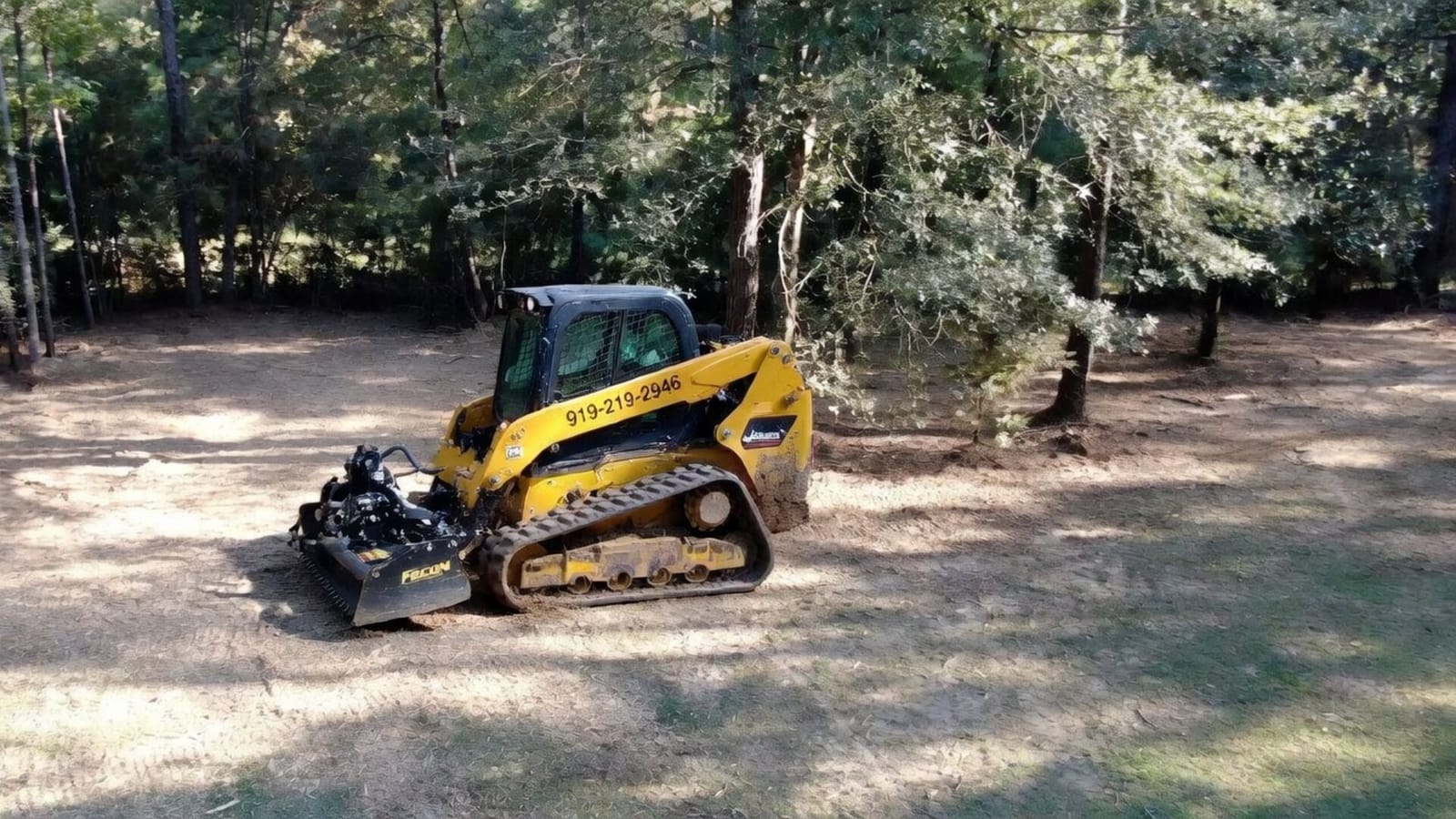
Land Clearing Cost Per Acre in Nebraska (2026 Guide)
Land clearing in Nebraska: $1,500 to $4,500 an acre. See what cedar height and burning rules add around Plattsmouth. Request a free quote for your land today.
 Cost Guide
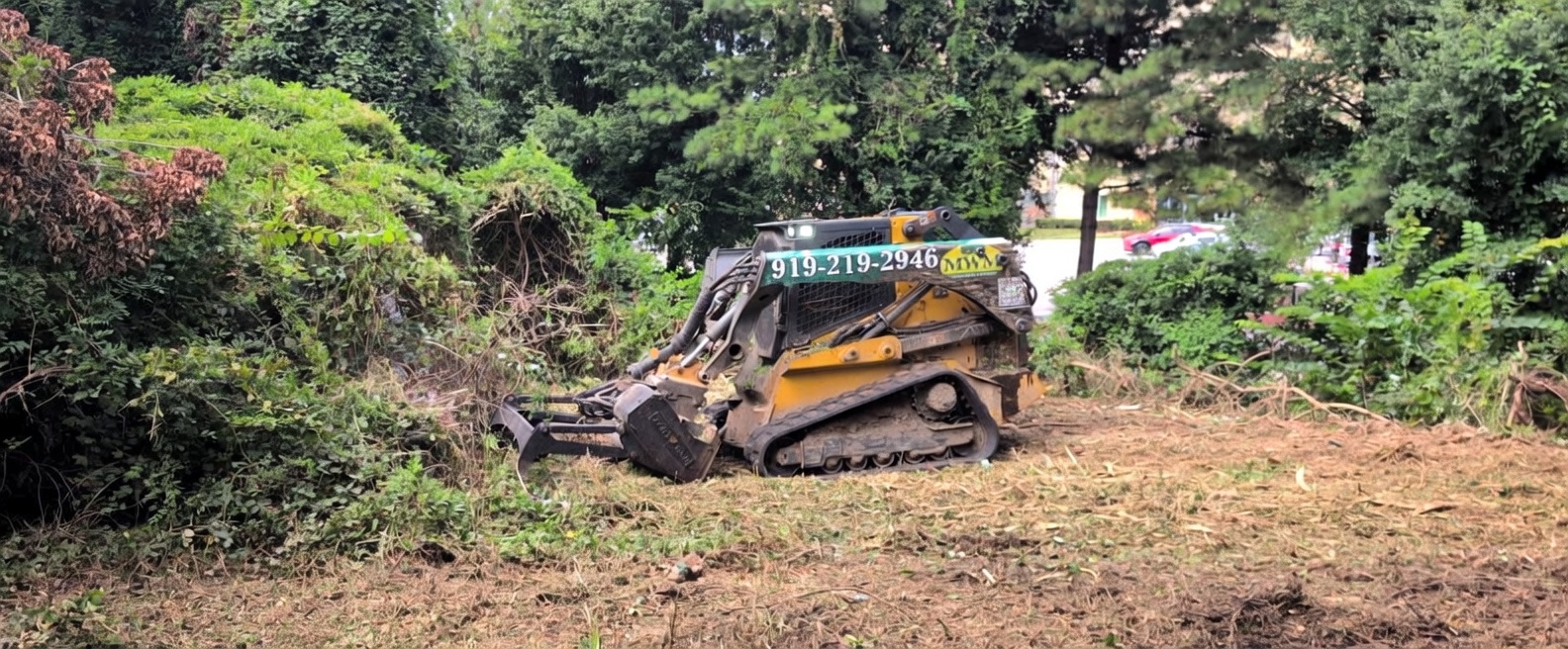
Brush Hogging Cost Per Acre in Nebraska (2026 Guide)
Brush hogging in Nebraska runs $75 to $400 an acre by field condition, with a $250 to $500 minimum. See what cedar, sumac and thistle add. Get a free quote.
 Cost Guide
Forestry Mulching Cost in Plattsmouth, NE (2026)
Forestry mulching in Plattsmouth, NE costs $1,500 to $4,000 an acre. Grind cedar in place or cut and burn? Burn ban and bluff grade explained. Get a free quote.
Comparing states? See land clearing costs by state.
Let's Get Started on Your Land
Request a free quote. We'll contact you to discuss your property, access, and the clearing you need.
Get a Free QuoteOr call us directly: (919) 525-3950
 Quick answers from Cut Brush