

Brush Clearing & Overgrowth Removal in Maryville, TN
Privet, multiflora rose, autumn olive, and kudzu cut out of Blount County fence lines, field edges, and home perimeters – with a realistic plan for keeping them out.
Why Choose Us
Brush Clearing: Before & After
What the same ground looks like when the machine leaves.
Example Cut Brush brush project: a fencerow thicket returned to a boundary you can see and fence
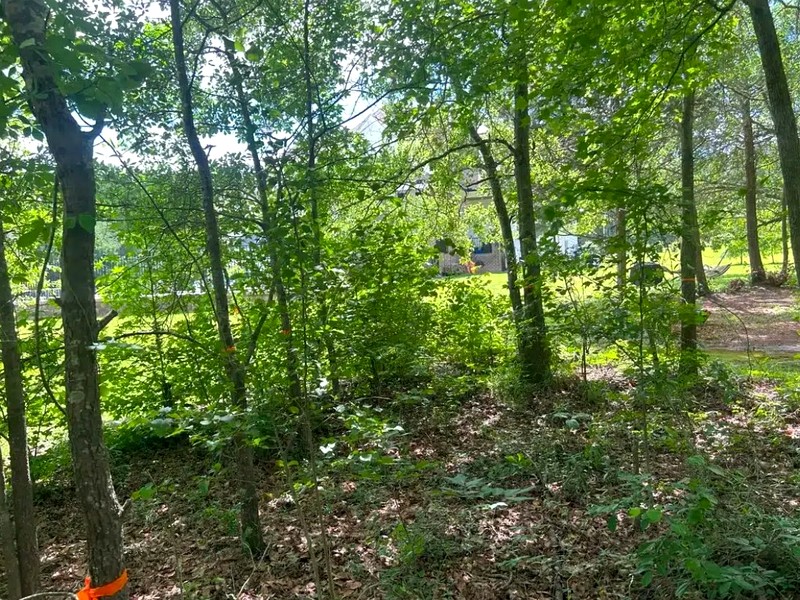
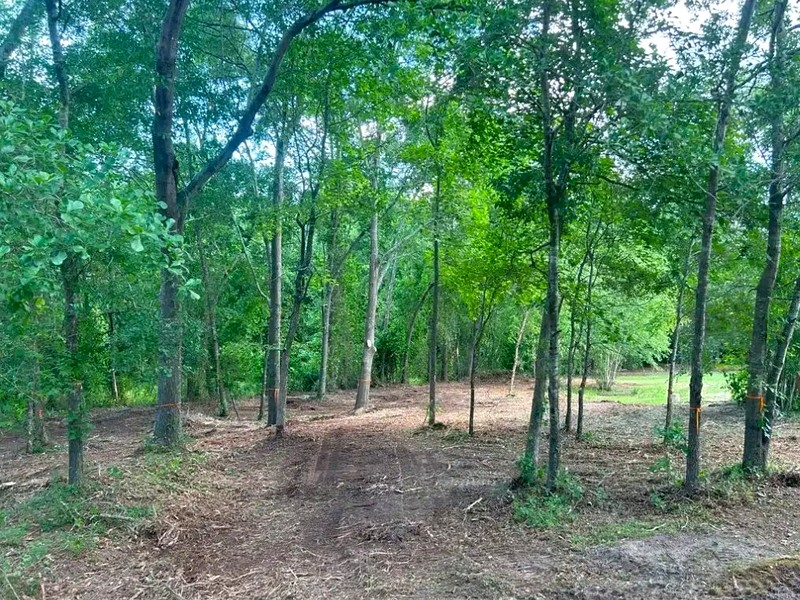
From an example project: the brush line moved back and the yard handed back to its owners
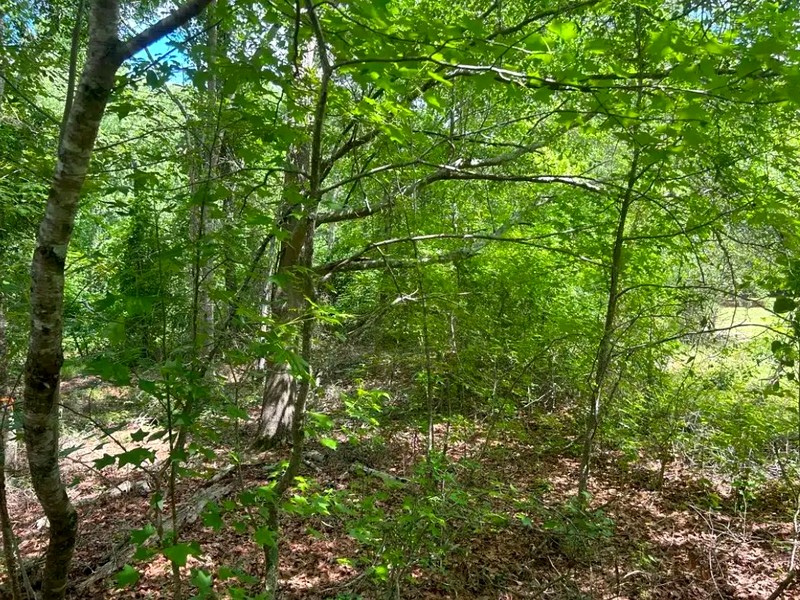
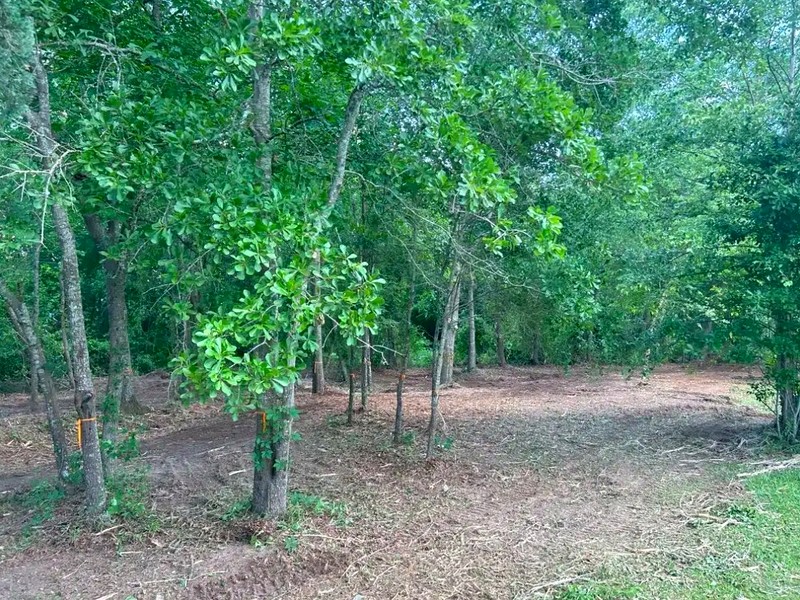
Brush Clearing in Maryville: Invasive Overgrowth Removed
Walk any neglected field edge between Maryville and Townsend and you can name the culprits without a guidebook: Chinese privet knitting the fencerow shut, multiflora rose arching over it in briared canes, autumn olive filling the gaps. All three appear on the Tennessee Department of Agriculture's regulated invasive pest plant roster, and kudzu, the fourth horseman, is so notorious that deliberately planting it is banned in this state. Local volunteers fight the same lineup by hand; Keep Blount Beautiful and its partners run removal events pulling privet, honeysuckle, multiflora rose, and mimosa at spots like the Townsend River Walk & Arboretum. When the infestation has outrun hand tools, brush clearing with a mulching machine is the reset button.
Cut Brush grinds overgrowth back to open ground across Blount County: valley pasture edges, foothill house perimeters, creek margins, boundary lines gone jungle, and whole small parcels that a busy decade let get away.
The Usual Suspects, and How Each One Dies
- Chinese privetForms shade-casting thickets that hollow out everything beneath them. The drum levels the thicket; a resprout-treatment plan keeps it level.
- Multiflora roseThorned canes that root where they touch down and shrug off mowing. Grinding removes the tangle whole instead of pruning it angrier.
- Autumn oliveA fast, bird-spread shrub that colonizes idle pasture within a few seasons. Mulching takes out mature stands mowers were never built for.
- Kudzu and vine matsCleared as the opening move of a longer campaign, since the root crowns below will test your follow-through.
How a Blount County Parcel Goes Feral
The timeline is shorter than most owners expect. Season one after mowing stops, honeysuckle and briar test the edges. Within a few seasons, autumn olive and privet have seeded in off the birds, mimosa volunteers appear, and by the time a decade has passed the fencerow is a corridor of woody stems too thick for a rotary cutter and too tall for a homeowner's saw. That succession is precisely what the county's volunteer removal days are up against, and it is why the economics favor acting at the thicket stage rather than the young-forest stage: the same overgrowth that prices as brush clearing today prices as land clearing a few years from now.
Why Grinding Beats the Pile-and-Burn Routine
Traditional brush removal ends with a pile, and in Tennessee a pile means paperwork and patience: from October 15 to May 15 you need a burn permit, free but mandatory, covering only natural material from your own land, issued through BurnSafeTN or the MyTN app, while larger land-clearing burns require calling 877-350-2876 first. Burning trash is never legal in Tennessee at any time of year. Mulched brush skips the entire ritual: the material lands as ground cover the moment it is cut, there is no pile, no smoke, no permit window to wait on, and no half-burned heap squatting in the field come June.
Where Clearing Brush Pays Off Fastest
On working valley land, reclaimed fencerows return real grazing and hay footage and make boundaries fenceable again. Around foothill homes, pushing the brush line away from the structure evicts the snakes, ticks, and rodents that treat a thicket as habitat, and restores the sense of owning a yard rather than defending one. Along creeks feeding the Little River, careful mulching reopens water access without stripping the banks, in a watershed the Little River Watershed Association spends its volunteer hours on cleanups and streambank restoration to protect. And on any parcel headed to market, a walkable property simply appraises in the buyer's mind the way a briared one never will.
An Honest Word About Round Two
Privet resprouts. Multiflora rose reroots. Kudzu returns from its crowns. Any contractor promising a once-and-done victory over regulated invasives is selling optimism, not land management. What clearing buys you is the decisive first strike: standing thickets converted to mulch and open ground you can actually maintain. What keeps it won is a modest follow-up plan on the regrowth, and we lay out both halves, cost and calendar, at the walk-through so the win sticks instead of quietly reversing itself over the next two summers.
How Brush Clearing Works
Three steps from overgrown to usable, with a written number before any machine moves.
Identify the Enemy
We walk the overgrowth with you and catalog what is actually in it: privet, rose, autumn olive, vines, and whatever the thicket is hiding. Scope and price arrive in writing, fast.
Take It to the Ground
The mulching head grinds thickets, canes, and woody stems into cover where they stood. No piles form, so no burn permits, hauling, or smoke follow.
Set Up the Defense
Before we leave you get a plain-language regrowth plan: what will try to come back, when to hit it, and what that maintenance realistically costs.
Why Property Owners Choose Cut Brush
The right machine for the ground, straight answers on the rules, and land you can use when we leave.
Knows the State List
Privet, multiflora rose, and autumn olive are formally regulated pest plants in Tennessee. We treat them like the persistent problem the state says they are.
Perimeter Reclaimed
Pushing the thicket line back from the house returns the yard to the family and takes the wildlife habitat with it.
Working Land Back to Work
Fencerows, field edges, and pasture corners come back into production instead of shading it out year by year.
Zero Pile Policy
Everything cut becomes ground cover on the spot, so the October-to-May permit season and the burn-day gamble never enter your project.
Creek-Bank Care
Brush along the waterways that feed the Little River gets opened without baring the banks that hold them together.
Regrowth Realism
You leave with a follow-up plan and honest expectations, not a promise that one pass ended a plant the state could not.
Get a Free Brush Clearing Quote
Describe the parcel, get a real number, decide on your own time. Want the ranges first? Start with the Maryville, TN pricing guide.
Request a Free QuoteRelated Services
If the project is bigger than brush clearing, the rest of our clearing work covers the Maryville Area too.


Brush Clearing Across the Maryville Area
We provide brush clearing in these Blount County and foothills communities.
Brush Clearing FAQ
Ready to Put Your Land Back to Work?
Free written quotes for brush clearing anywhere in Maryville & Blount County.
Get Your Free Brush Clearing QuoteOr call us directly: (919) 525-3950