Growth, Karst, and the Rules of the Foothills
Blount County parcels are getting cleared right now because the county is filling in from two
directions at once. Smith & Wesson opened its new headquarters near McGhee Tyson in October
2023, 650,000 square feet with a commitment of more than 620 jobs, TDOT is rebuilding roughly 13
miles of Alcoa Highway into six lanes at a cost near $300 million, and the city of Alcoa grew 24.6
percent between 2020 and 2025, one of the fastest rates in the Knoxville metro. Meanwhile visitors
spent about $611 million here in 2024 as more of the Smokies' 13 million annual guests choose the
Townsend entrance, so cabin sites and short-term rentals on the "peaceful side" keep getting built.
Retirees, relocators, and builders like D.R. Horton and Smithbilt are all shopping for acreage, and
every one of those projects starts with somebody opening up the ground.
The ground itself asks for a careful method. These valleys sit on some of East Tennessee's
best-developed karst: a two-decade county inventory logged 1,080 surface depressions, 415 of them
meeting structural sinkhole criteria, and TDEC publishes karst-specific stormwater guidance for a
reason. Grade matters too, because lots averaging better than 15 percent slope trigger extra county
setback rules and a formal slope analysis, and the Smokies high country feeding the Little River
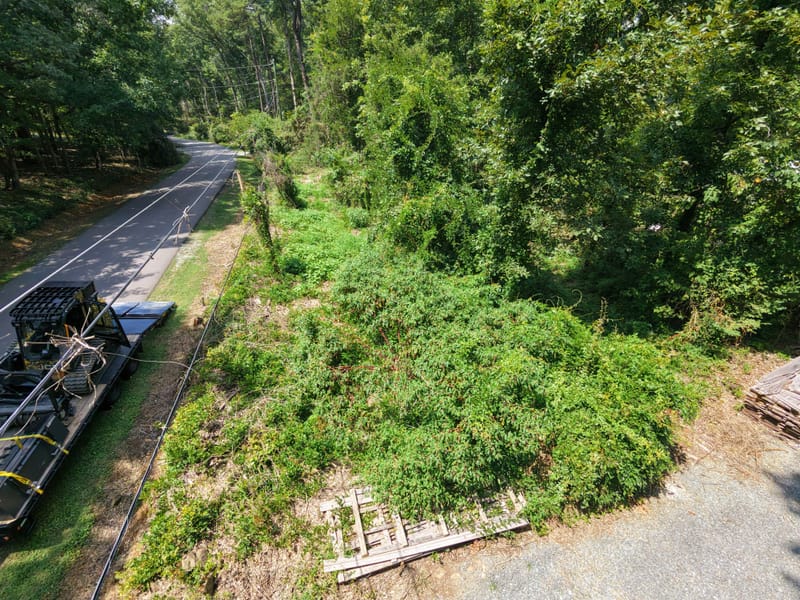
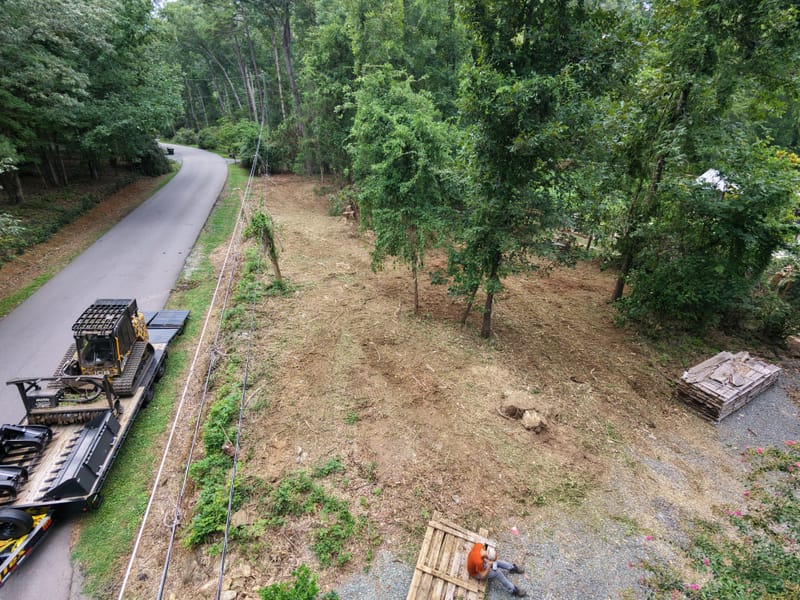
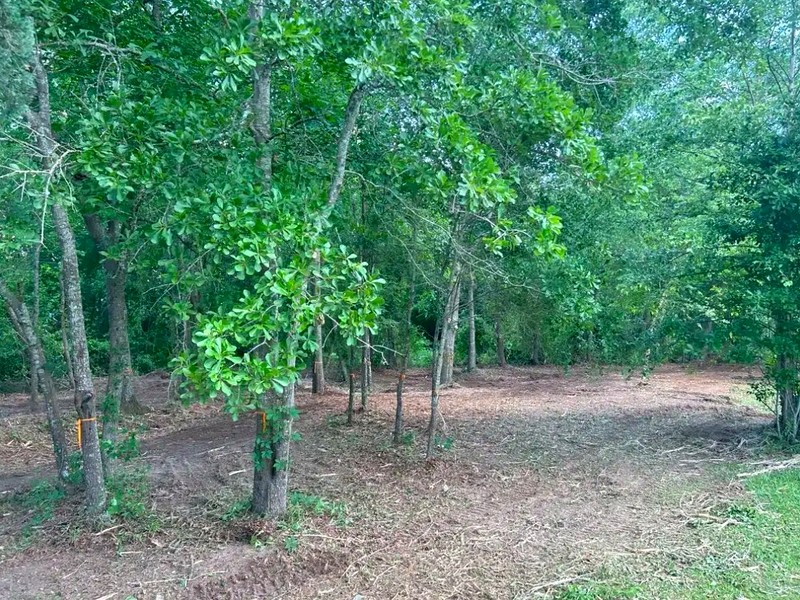
catches more than 85 inches of rain a year. Mulch-in-place clearing fits all three facts: the soil
stays uncut, suspect depressions get flagged and skirted at the walk-through, and cleared slopes
keep a covering mat instead of shedding bare dirt into somebody's trout stream.
Permits depend on the address. Maryville's Engineering Department, Alcoa's Development Services,
and the Blount County Stormwater Department each run their own grading and stormwater programs, and
larger sites may also need Tennessee construction-stormwater coverage; requirements vary by parcel,
scope, and jurisdiction, so we flag the likely office at quote time and the owner confirms with it
before work begins. Burning has its own calendar, permits required October 15 through May 15 and
trash burning never legal in Tennessee, but most Cut Brush projects sidestep that chapter entirely
because mulched vegetation becomes ground cover instead of a pile waiting on a permit window.