

Forestry Mulching in Maryville, TN
Brush and small timber ground into a protective mat in a single pass – the clearing method that respects Blount County's karst valleys, foothill grades, and the Little River running through it all.
Why Choose Us
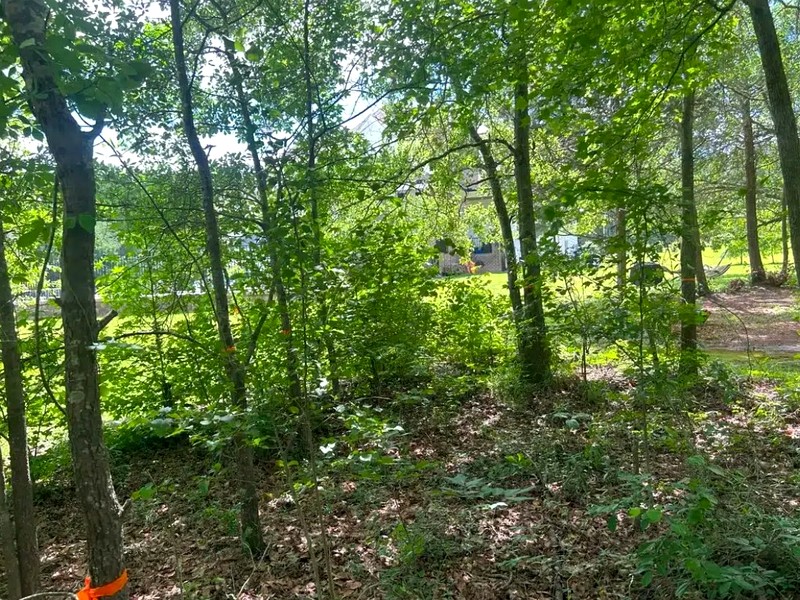
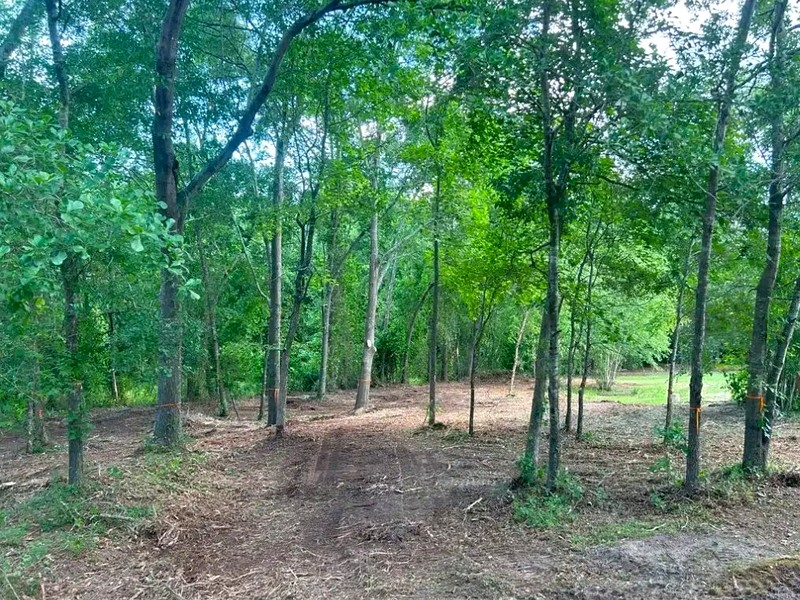
Forestry Mulching: Before & After
What the same ground looks like when the machine leaves.
Example Cut Brush mulching project: standing growth converted to a finished wood-chip layer in one pass
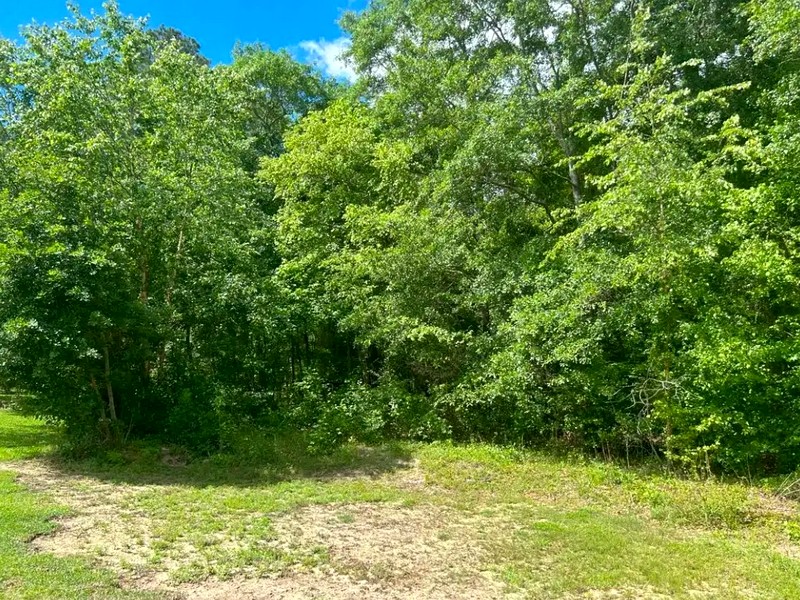
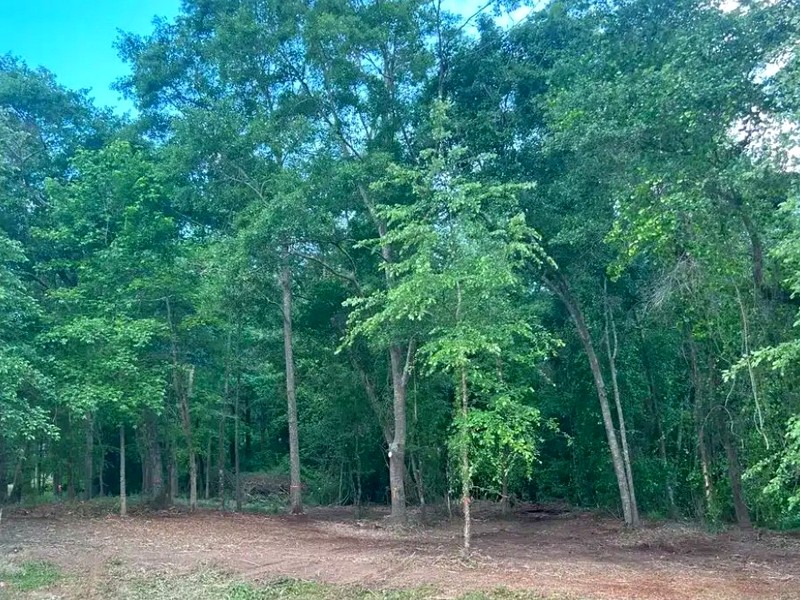
An example project where the understory became the erosion control: nothing hauled, nothing burned
Forestry Mulching in Maryville: Low-Impact Clearing for the Foothills
Every drop of rain that lands on the Smokies high country above Townsend eventually runs past somebody's property in Blount County. The Little River rises near Clingmans Dome, drains a high country that catches more than 85 inches of rain a year, and spends 60 miles winding through Townsend, Walland, Alcoa, and Maryville. Clear land carelessly anywhere along that run and the river keeps the receipts: silt off bare slopes, washed-out drives, gullied pasture. Forestry mulching exists for exactly this situation, because it clears vegetation without ever leaving the ground naked.
The machine is a tracked carrier spinning a toothed drum. It fells and grinds brush, saplings, and small trees in the same motion, and what was standing growth lies on the ground as a layer of shredded wood when the pass is over. Nothing is piled. Nothing is burned. Nothing leaves in a truck. Cut Brush uses this as the default clearing method across the Maryville area, and the local geography is a running argument in its favor.
Why It Fits Karst Country
Blount's valleys are limestone karst, well-developed enough that the county's sinkhole inventory lists 1,080 surface depressions and 415 structural sinkholes. Karst punishes two habits: stripping soil bare, and concentrating runoff where it can find a drain into the rock. TDEC publishes stormwater design guidance specifically for karst terrain, and mulching is naturally on the right side of it, since the drum touches vegetation, not soil. The root mat stays knitted, the new mulch layer soaks up rain energy, and water keeps moving across the ground the diffuse way it did before we arrived.
What the Method Delivers
- Soil never exposedThe shredded-wood layer takes the rain impact so the dirt underneath does not have to, which matters under East Tennessee storm loads.
- Single-visit completionCutting, processing, and cleanup are the same operation, so the project ends when the machine stops instead of waiting on a second crew.
- Footprint, not cratersTracks spread the load on soft valley bottoms, and there is no excavation to scar the parcel or unsettle a depression.
- Regrowth slowedThe mat shades out the first flush of returning brush and feeds the soil as it rots down.
On the Grades
Foothill mulching is real work in this county, and it has real limits. A tracked mulcher will hold respectable slopes, which covers most homesite and view-corridor jobs in the Walland and Townsend hills, but Blount grades keep going past what any machine should attempt. The walk-through settles slope questions before money does: workable faces get quoted, marginal ones get a selective plan, and pitches beyond safe operation get declined to your face rather than discovered mid-job.
What You Get When the Machine Leaves
A mulched parcel is immediately usable in a way a bladed one is not. The surface is walkable the same afternoon, firm enough for follow-up work, and tidy enough to show a buyer, a builder, or an appraiser without apology. Over the following seasons the layer settles and decomposes into the soil, and because the roots below were never ripped out, the ground does not slump or pocket the way excavated clears can, a quality worth having on limestone terrain where subsidence already gets its own county inventory. Owners planning pasture, orchard rows, trails, or simply a cleaner property line all start from the same finished surface.
Skip the Burn Season Entirely
If you cleared the old way, you would now own brush piles, and in Tennessee those come with a calendar: burn permits are required from October 15 through May 15, they cover only natural material from your own property, ordinary piles go through BurnSafeTN or the MyTN app, bigger land-clearing burns require calling 877-350-2876, and burning trash is illegal in this state every day of the year. A mulched project has no piles, so it has no permits, no waiting on a legal window, and no smoke drifting toward the neighbors' new build.
What Mulching Costs Here
Cut Brush prices forestry mulching at $1,500 to $4,000 per acre in the Maryville area. Sapling and brush ground sits low in the band; heavier mixed stands, slope work, and tight access climb toward the top. The Blount County pricing guide covers the details, and every project gets its number from an on-site walk, free, written, and specific to your ground.
How Forestry Mulching Works
Three steps from overgrown to usable, with a written number before any machine moves.
Assess and Price On-Site
Vegetation size, slope, soil, depressions, and machine access all get evaluated standing on your parcel. The written quote follows quickly, usually within 24 hours.
One Continuous Pass
The drum converts standing brush and trees into a finished ground layer as the machine advances. Most residential jobs in the county run one to three days.
Done Means Done
When the engine shuts off, the land is walkable and finished. No piles awaiting a burn window, no follow-up hauling, no phase two.
Why Property Owners Choose Cut Brush
The right machine for the ground, straight answers on the rules, and land you can use when we leave.
Built for Heavy Rain Country
A watershed fed by 85-plus inches of high-country rain rewards clearing that leaves a protective mat instead of exposed dirt.
Gentle on Karst
No excavation and no concentrated runoff paths, which is precisely what TDEC karst stormwater guidance asks of work on sinkhole-prone ground.
No Burn Calendar
Tennessee ties open burning to an October-to-May permit season. Mulched projects never consult it.
One Machine, Whole Job
Felling, grinding, and finishing happen in the same pass, so scheduling is simple and the site is never half-done for weeks.
The Land Recovers Faster
The mat holds moisture, shades early regrowth, and breaks down into the soil instead of leaving a scraped scar.
Watershed-Considerate
Work near the Little River and its feeder creeks is planned so cleared ground never sends silt downstream.
Get a Free Forestry Mulching Quote
Describe the parcel, get a real number, decide on your own time. Want the ranges first? Start with the Maryville, TN pricing guide.
Request a Free QuoteRelated Services
If the project is bigger than forestry mulching, the rest of our clearing work covers the Maryville Area too.


Forestry Mulching Across the Maryville Area
We provide forestry mulching in these Blount County and foothills communities.
Forestry Mulching FAQ
Ready to Put Your Land Back to Work?
Free written quotes for forestry mulching anywhere in Maryville & Blount County.
Get Your Free Forestry Mulching QuoteOr call us directly: (919) 525-3950