
Brush Hogging Cost Per Acre in New Hampshire (2026 Guide)
Cut Brush Team · November 9, 2026 · 9 min read
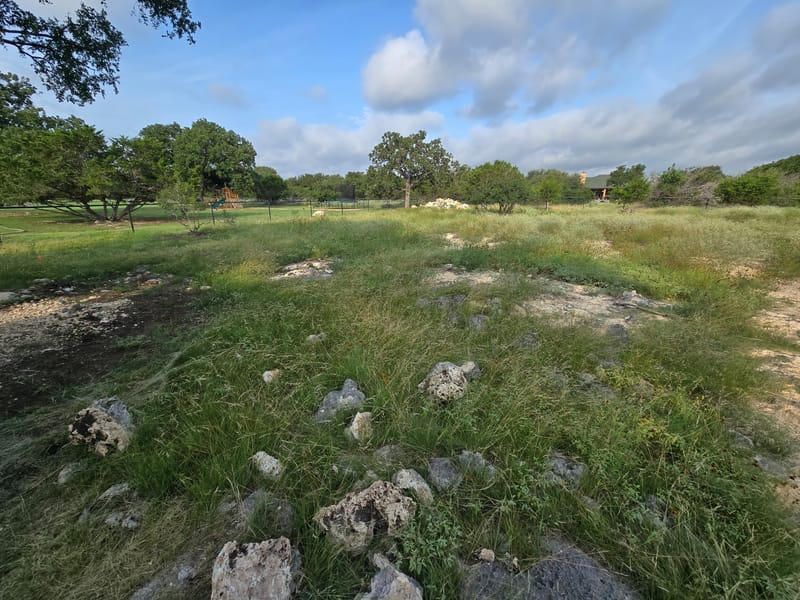
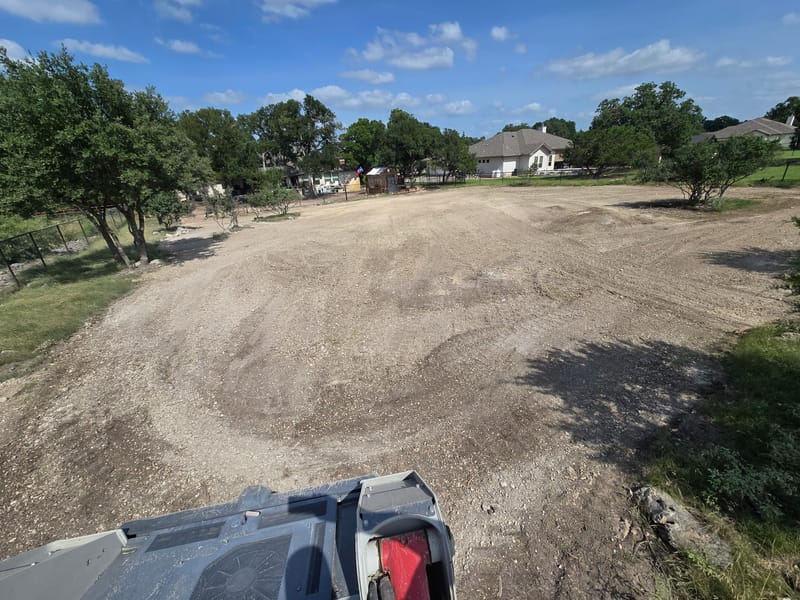
You have a New Hampshire hayfield or hill pasture that nobody has cut in a few summers, with the first pine and buckthorn coming up through the grass along the stone walls. We brush hog New Hampshire fields for $75 to $400 an acre, set by how long the field has gone since its last mowing, with a $250 to $500 minimum per visit. A field cut last year sits at the bottom; one left three or more years sits at the top.
At a glance:
- Mowed within the past year: $75 to $150 an acre
- One or two seasons of growth: $125 to $250 an acre
- Three or more years overgrown: $200 to $400 an acre
- Hourly, where we quote that way: $60 to $150 an hour
- Nesting season: grassland birds nest on the ground from May to August; the guideline for fields that hold them is to mow after July 15, ideally after August 1
- Wet ground: mowing a wet meadow or red maple swamp needs no standard wetlands permit if the roots stay in and the ground is frozen or dry enough not to rut; a marsh, bog, prime wetland or tidal buffer zone is outside that rule
Our crew works New Hampshire from the Seacoast around Dover and from New Ipswich in the southern hills, and prices fields anywhere in the state.
How Much Does Brush Hogging Cost Per Acre in New Hampshire?
A brush hog is a heavy rotary cutter that mows grass, briars and stems up to 2 to 3 inches and leaves the cuttings on the field. The price follows one question: how many growing seasons since the last cut?
| Field condition | Our price per acre | What it looks like in New Hampshire |
|---|---|---|
| Mowed within the past year | $75 – $150 | Hay or pasture cut last summer, tall grass and weeds, no woody stems |
| One or two seasons of growth | $125 – $250 | Grass gone to seed, multiflora rose canes, the first buckthorn and pine seedlings along the walls |
| Three or more years overgrown | $200 – $400 | Old pasture filling with pine, maple and buckthorn saplings still thinner than 2 inches |
| Saplings past 2 to 3 inches | Not a brush hog job | Priced as understory clearing ($1,500 – $2,500) or forestry mulching ($1,500 – $4,000) |
Where these numbers come from. The three field rows, the hourly rate and the minimum are our brush hogging bands. When a field has grown past a mower, the work moves to the rows on our Dover pricing page and New Ipswich pricing page: Buckthorn & Understory Clearing in Dover and Barberry & Understory Clearing in New Ipswich, both $1,500 to $2,500 an acre, and Forestry Mulching at $1,500 to $4,000 in both markets. Trailering a tractor to one small field costs the same as to a big one, so on an acre or less the $250 to $500 minimum is often the price.
New Hampshire mowing gets priced by the hour, by the acre and, for an excavator flail on woody brush, by the lot. A flail or mulcher price belongs in the clearing bands above, not next to a mowing price.
What Moves the Price on a New Hampshire Field
Stone walls and loose stone. Old New Hampshire fields are lined with stone walls, tumbled into the grass in places. A blade that finds a fieldstone or old wire stops the job, so the mower slows along every wall line, and a first mowing after years of neglect runs slower than every one after it.
Buckthorn and barberry along the edges. Glossy buckthorn sprouts hard from a cut stem: plan on a first cut early after leaf-out, two more inside the first year and often a second season. Japanese barberry resprouts from its roots too. Mowing knocks both back; the return visits are a scheduled cost, not a failed job. Our glossy buckthorn removal guide lays out that schedule.
The month you book. Low fields around Dover, Durham and Newmarket sit on marine clay that holds water near the surface much of the year, and a tractor ruts it in a wet month. Late summer, early fall and frozen ground are when the same acre mows fastest.
Birds on the ground. A grass field of 10 acres or more, square or round rather than long and narrow, can hold bobolink and savannah sparrow. Eastern meadowlark and grasshopper sparrow are state-threatened in New Hampshire and upland sandpiper is state-endangered. Book those fields after the nesting season.
Frontage on a lake, river or the tide. In the first 50 feet back from public water, shrubs and natural ground cover can be trimmed but not below 3 feet, and the strip cannot become new lawn. A brush hog cuts to a few inches, so that strip comes out of the mowing area.
When to Brush Hog a Field in New Hampshire
Grassland birds nest on the ground in New Hampshire fields from May to August, and mowing in June and July destroys active nests. The guideline for a field that can hold them is to hay or brush hog after July 15, or ideally after August 1, when the young can fly. That date is a conservation guideline, not a state law, but it is the safe date for any open field big enough to matter.
The edges can be mowed as often as you like, because these birds avoid nesting near them, and the edges are where buckthorn and bittersweet push in. In a big field, cutting from the center outward leaves young birds that cannot fly yet cover to run to. A hayfield cut by June 1, with its second cut at least 65 days later, leaves time for a brood in between. On hay or pasture land, EQIP offers incentives for grassland habitat through your county NRCS office. A field mowed every year after early August stays in the cheapest row of the table.
Pro tip: Walk your stone walls in spring, before the grass is up, and flag the tumbled sections, old wire and any buried junk you find. In August none of it shows, and a field the operator can cut without stopping bills fewer hours.
Brush Hogging Costs Across New Hampshire
Seacoast: Strafford and Rockingham counties. Around Dover, Durham, Newmarket and Exeter, wet clay and the tidal rivers that feed Great Bay set the price more than rock does. A field running down to tidal water carries the 50-foot strip and, at the bottom, possibly a tidal buffer zone the no-permit mowing rule does not reach. See land clearing around Dover for the market serving this corner.
Southern hills: Hillsborough and Cheshire counties. From New Ipswich to Merrimack, Nashua and Keene, about two thirds of the land within 15 miles of New Ipswich is forest and another 11 percent is woody wetland. The fields left are small: old pasture, wall lines and edges where barberry and bittersweet push in from the woods, and stone and slope slow a mower more than water does. The New Ipswich market serves this side of the state.
Lake country. Any lake or pond over 10 acres is public water, so fields running down to Winnipesaukee or a smaller pond carry the 50-foot strip and a woodland buffer out to 150 feet, where a quarter of the area stays natural woodland. Budget a lakefront field as a smaller mowed area.
Mowing Near Water and Wet Ground in New Hampshire
The state rules that touch mowing start at wet ground and the shore.
Wet meadows and swamps. New Hampshire’s wetlands rules (Env-Wt 309.02(a)) let you mow or cut vegetation in a wet meadow, red maple swamp, hemlock swamp or white pine swamp without notifying NHDES or getting a standard permit, as long as the roots stay in the ground, the ground is frozen or dry enough not to rut, and the spot is not a bog, a designated prime wetland, a duly established 100-foot buffer, a marsh or a tidal buffer zone. A brush hog leaves roots in place, so a dry or frozen wet meadow fits the rule. A marsh, a prime wetland or a tidal buffer does not: ask your town and NHDES before anything is cut there.
Shoreland. Within 150 feet of public water the state limits how much ground cover, shrubs and trees come out; an existing lawn there may be kept mowed but not enlarged. Within 250 feet, digging, filling and stump removal need a shoreland permit. A brush hog leaves stumps and soil alone, but it cannot take the 50-foot strip to the ground. Towns can be stricter, so the code officer and conservation commission are worth a call.
Nothing gets burned on a brush hog job: the cuttings stay on the field. If the job turns into cutting saplings out, the burn permit rules in our New Hampshire land clearing cost guide apply. Filing permits stays with the landowner.
Frequently Asked Questions
How much does it cost to brush hog an acre in New Hampshire?
$75 to $400 an acre, by how long the field has grown, with a $250 to $500 minimum per visit, which is often the whole price of one acre.
Why is one New Hampshire quote by the hour and another by the acre?
It is the same job priced two ways. Where we quote by the hour it runs $60 to $150, and the per-acre rows above cover the rest. Get the estimated hours with any hourly price, and keep flail or mulcher prices out of the comparison: that is clearing work.
When is the best time to brush hog a field in NH?
After early August for open fields that might hold nesting birds, and on dry or frozen ground for anything low and wet; edges any time. The July 15 and August 1 dates are a guideline, not a law.
My old field has birch and pine an inch or two thick. Can a brush hog handle it?
Up to 2 to 3 inches, yes, and that field prices in the $200 to $400 row. Past that, it is understory or forestry mulching work in New Hampshire, and our underbrush removal cost guide covers the woods-edge version of the same job.
Can I mow the wet corner of my field by the brook?
If it is a wet meadow or red maple swamp, yes, with the roots left in and the ground dry or frozen. If it is a marsh, a bog, a prime wetland or a tidal buffer zone, ask the town and NHDES first.
Get a Brush Hogging Quote in New Hampshire
Request a free quote and our crew will contact you to discuss the field, the way in and how far it has grown. Pick the nearest area below, Dover and the Seacoast or New Ipswich and southern New Hampshire, and we will tell you whether it is a mowing or a clearing job.
Sources
- New Hampshire Code of Administrative Rules, Env-Wt 300, Projects Conditionally Authorized By Rule (Env-Wt 309.02)
- UNH Cooperative Extension, Grassland Bird Conservation in New England
More from the Cut Brush Blog
Keep reading for more tips and guides on land clearing.
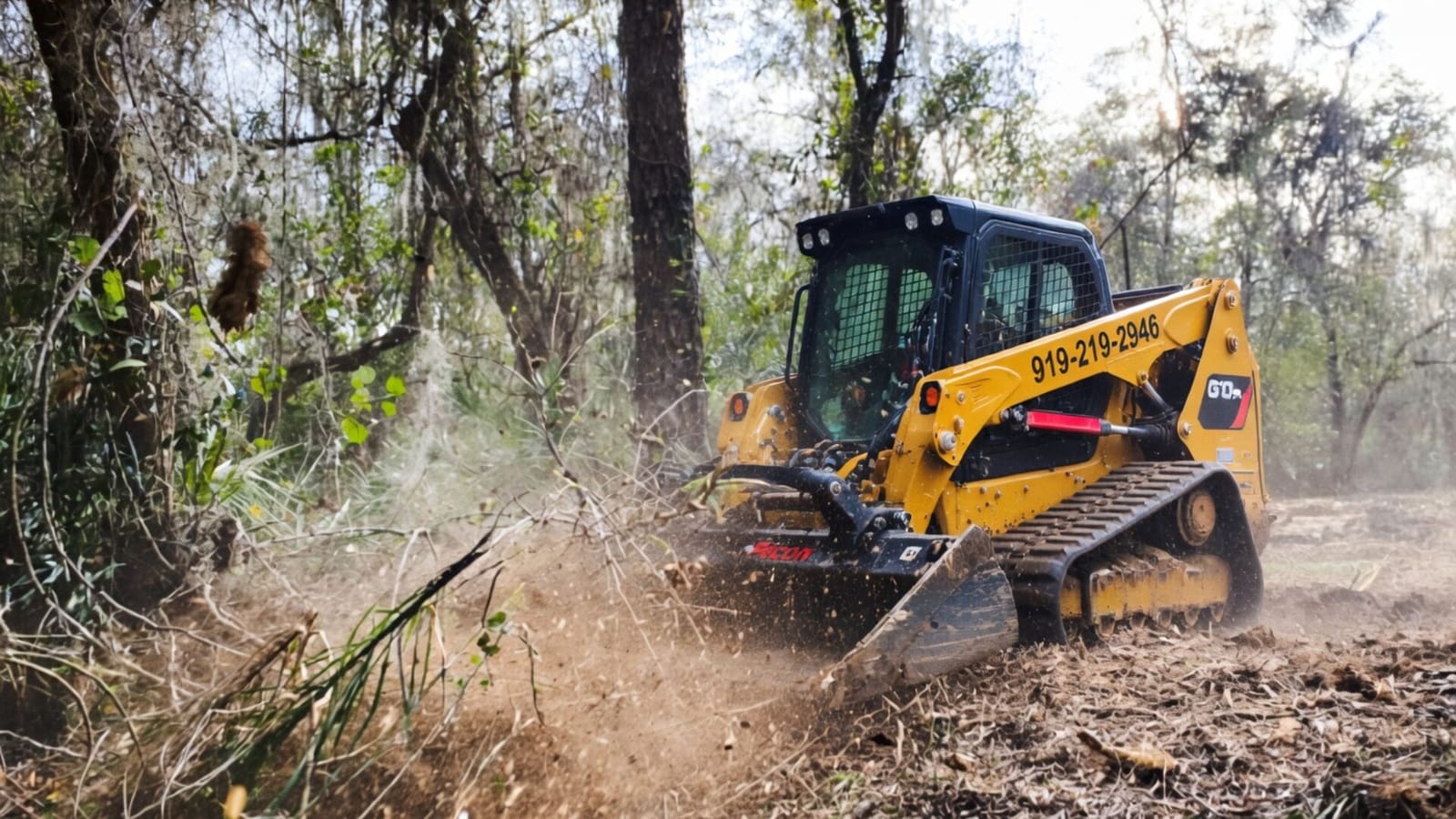 Cost Guide
Land Clearing Cost Per Acre in New Hampshire (2026 Guide)
$1,500 to $4,500 an acre to clear New Hampshire land, the rates our crew charges around Dover. How ledge, stony till and the shoreland point system move it.
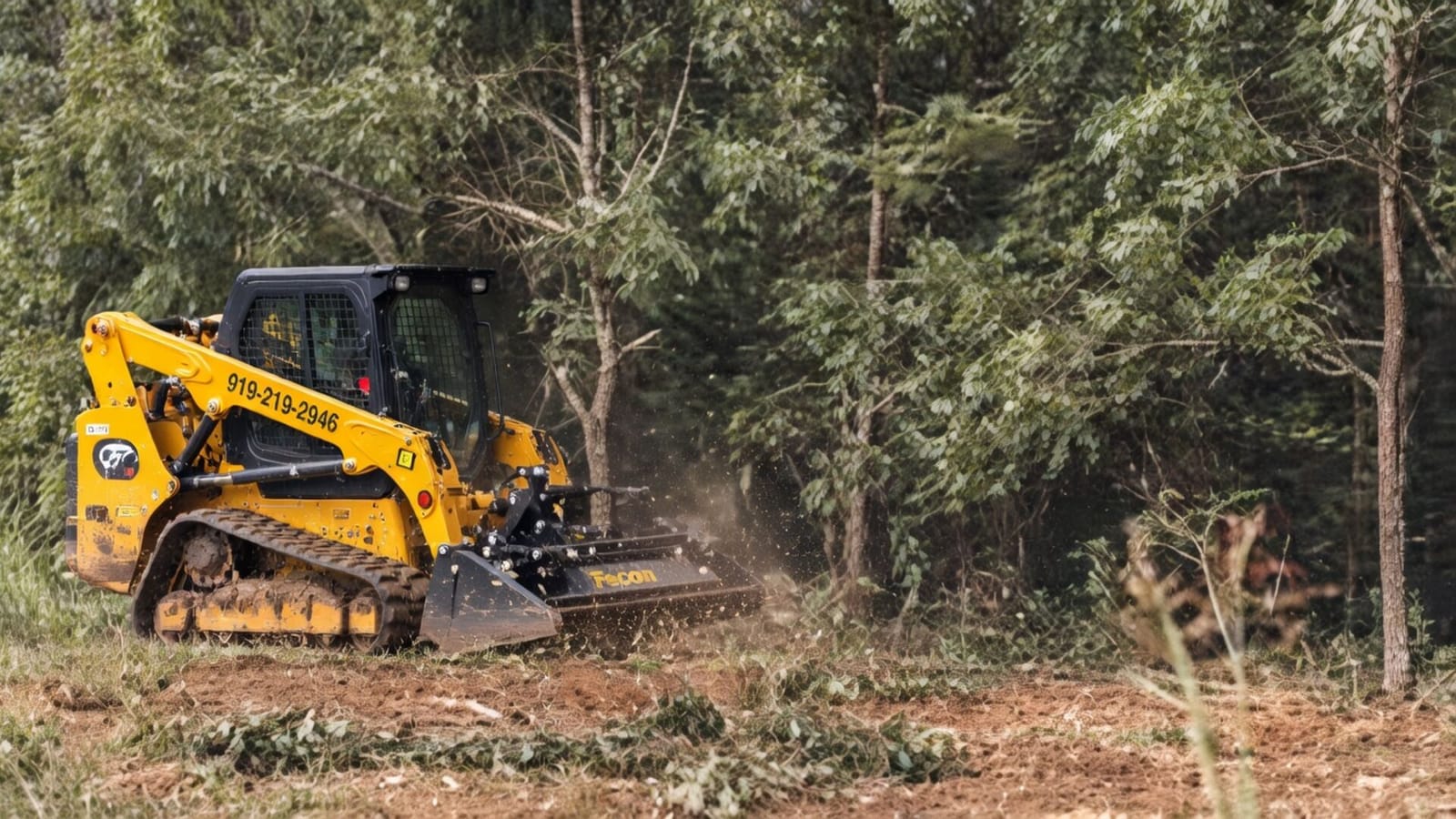 Cost Guide
Forestry Mulching Cost in Dover, NH (2026)
Forestry mulching around Dover, NH runs $1,500 to $4,000 per acre. How hourly and per-acre quotes compare, small lots against woodlots, and wet Seacoast clay.
Cost Guide Underbrush Removal Cost in New Hampshire (2026 Guide)
$1,500 to $2,500 an acre to clear underbrush from under the trees you keep in New Hampshire. How buckthorn, barberry, stone walls and lake buffers move it.
Comparing states? See land clearing costs by state.
Let's Get Started on Your Land
Request a free quote. We'll contact you to discuss your property, access, and the clearing you need.
Get a Free QuoteOr call us directly: (919) 525-3950
 Quick answers from Cut Brush