
Burn Bans in Tarrant and Parker County: How to Check and How to Burn Legally
Cut Brush Team · September 3, 2026 · 5 min read

Two things surprise North Texas landowners about burning. The first is how often a ban is in effect. The second is that even when there is no ban, you cannot simply walk out and light a pile in unincorporated Tarrant County. There is a phone call first.
This guide covers both: how to check the current status for your county, and what the rules are on a day when burning is allowed.
Where to Check Today’s Status
Burn bans change. Any article, including this one, is a snapshot. Check these before you strike a match:
- Texas A&M Forest Service burn ban map for a statewide, county-by-county view.
- Your county directly. Tarrant County publishes burn ban information and safety guidance through the Fire Marshal’s office and its outdoor burning page.
If you own land in more than one county, check each. Parker, Wise, Johnson, Hood, and Tarrant frequently have different statuses on the same day, and the ban that matters is the one where the land is, not where you live.
How Bans Get Declared
Burn bans in Texas are issued at the county level by the commissioners court, based on drought and fire conditions, and they apply to unincorporated areas. Cities set their own rules inside their limits.
Tarrant County Commissioners Court has issued 90-day outdoor burn bans for unincorporated areas at the request of the Tarrant County Fire Marshal’s Office, with support from Texas A&M Forest Service, citing severe drought and escalating wildfire risk.
Violating a burn ban carries a fine of up to $500. During a ban, exceptions are allowed for cooking, welding, and fire pits when safety guidelines are followed. Those are not land clearing exceptions. A brush pile from a cleared tract is not covered.
When Burning Is Allowed: The Rules People Miss
This is the part that catches people. In unincorporated Tarrant County, on a day with no ban in effect, outdoor burning still comes with a procedure:
- Register the burn. Contact Tarrant County Regional Communications at 817-232-9800 on the day you plan to burn to register your address and confirm that it is an allowable burn day.
- Start no earlier than one hour after sunrise.
- Finish the same day, no later than one hour before sunset. Burns do not carry over.
- Burn downwind and at least 300 feet from structures on adjacent properties.
That call in step one does two things: it confirms conditions actually allow burning that day, and it means the fire department is not dispatched by a neighbor reporting smoke on your property.
Officials also advise rural property owners to clear dry debris and maintain a 30-foot mowed perimeter around structures. That is wildfire preparedness advice rather than a burn rule, but it is the same underlying concern.
Why the Rules Exist
It is easy to read a burn ban as red tape. The reasoning the county has cited is specific: severe drought, heavy ground fuel, and elevated wildfire risk. Those are the exact conditions in which a controlled pile stops being controlled.
A stacked brush pile is concentrated fuel sitting on your property, and during a 90-day ban it sits there for the entire season. If the pile is near a structure, it is a fuel source right where you least want one.
What to Do With Cleared Brush Instead
If burning is off the table, or you would rather not build the schedule around it, the options are:
Haul it off. Reliable and expensive. You are paying for loading, trucking, and disposal on top of the clearing, and on a multi-acre tract the trucking can rival the cost of the clearing itself.
Chip it. Fine for limbs and manageable trunks on a small scale. It gets impractical fast on acreage, because someone has to feed the machine.
Mulch it in place. Forestry mulching processes vegetation where it stands and leaves it as a layer on the ground. There is no pile, so there is no registration call, no ban dependency, no disposal fee, and no concentrated fuel load. On Cross Timbers uplands, which sit on sandy soils leached of nutrients, that layer breaks down into ground that could use the organic matter.
Leave it and wait. Occasionally the right answer if a ban is short and you are in no hurry, though a pile of drying brush through a drought is exactly what the ban is trying to prevent.
If You Already Have a Pile
If the clearing is done and the pile is sitting there under a ban, your options narrow to hauling, chipping, or waiting it out. Some operators can bring a mulching machine to an existing pile and process it in place, which usually beats trucking on cost, though it is less efficient than mulching standing vegetation would have been.
The lesson most owners learn exactly once: choose the debris method before the clearing starts, not after.
Planning Around It
Three things worth building into any clearing plan out here:
- Pick the debris method first. It changes the price, the schedule, and whether a county decision can stop you.
- Check your specific county’s status, not the region’s.
- Watch the oak calendar too. Texas A&M Forest Service advises against pruning or wounding oaks February through June. If oaks are in the scope, that shapes sequencing as well. Our oak wilt guide covers it, and our permits guide covers the city and county rules that apply to the clearing itself.
For what clearing costs around here, see the Fort Worth pricing guide. If you want someone to look at the property and say which approach makes sense on your ground, the walk-through is free.
Related Services
Learn more about the services mentioned in this article.


More from the Cut Brush Blog
Keep reading for more tips and guides on land clearing.
 Guide
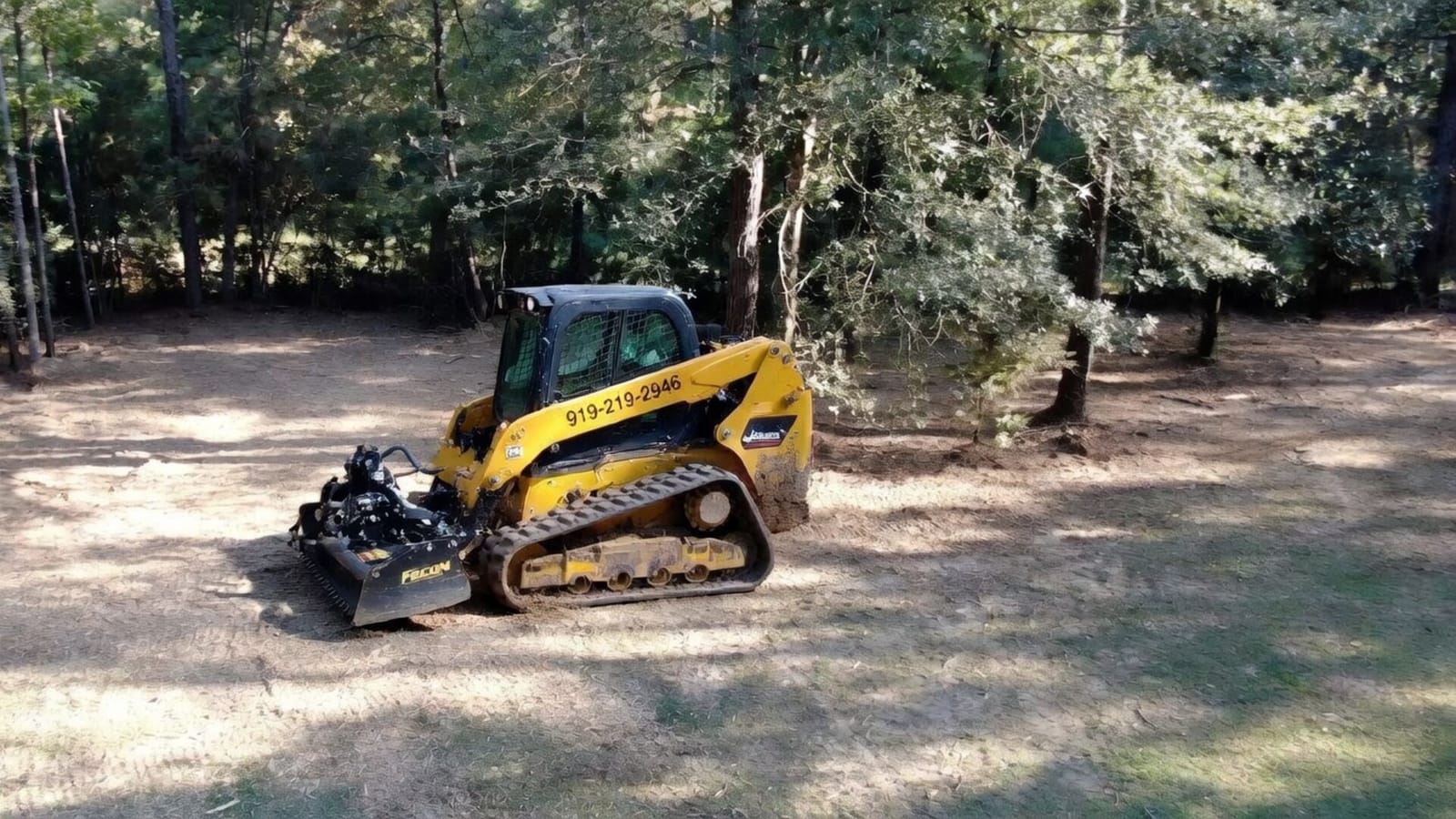
Guide Fort Worth Land Clearing Permits: City, County, and the Rules People Miss
Do you need a permit to clear land near Fort Worth? Usually not in the unincorporated county. Here is what actually applies in Tarrant, Parker and Wise County in 2026.
 Cost Guide
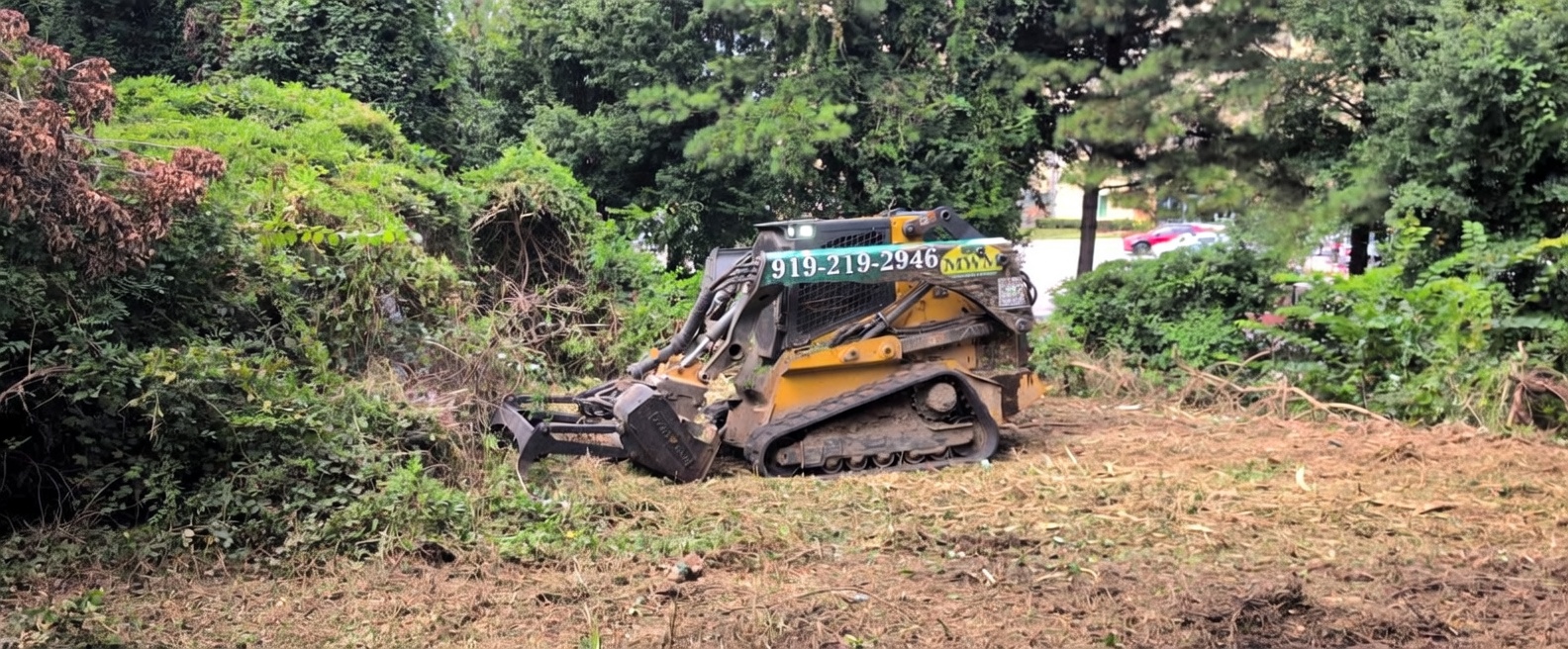
 Brush Hogging Cost Per Acre in Texas (2026)
Brush hogging in Texas averages about $47 an acre in AgriLife's 2026 survey. See regional rates, why small tracts cost more, and when shredding is not enough.
 Cost Guide
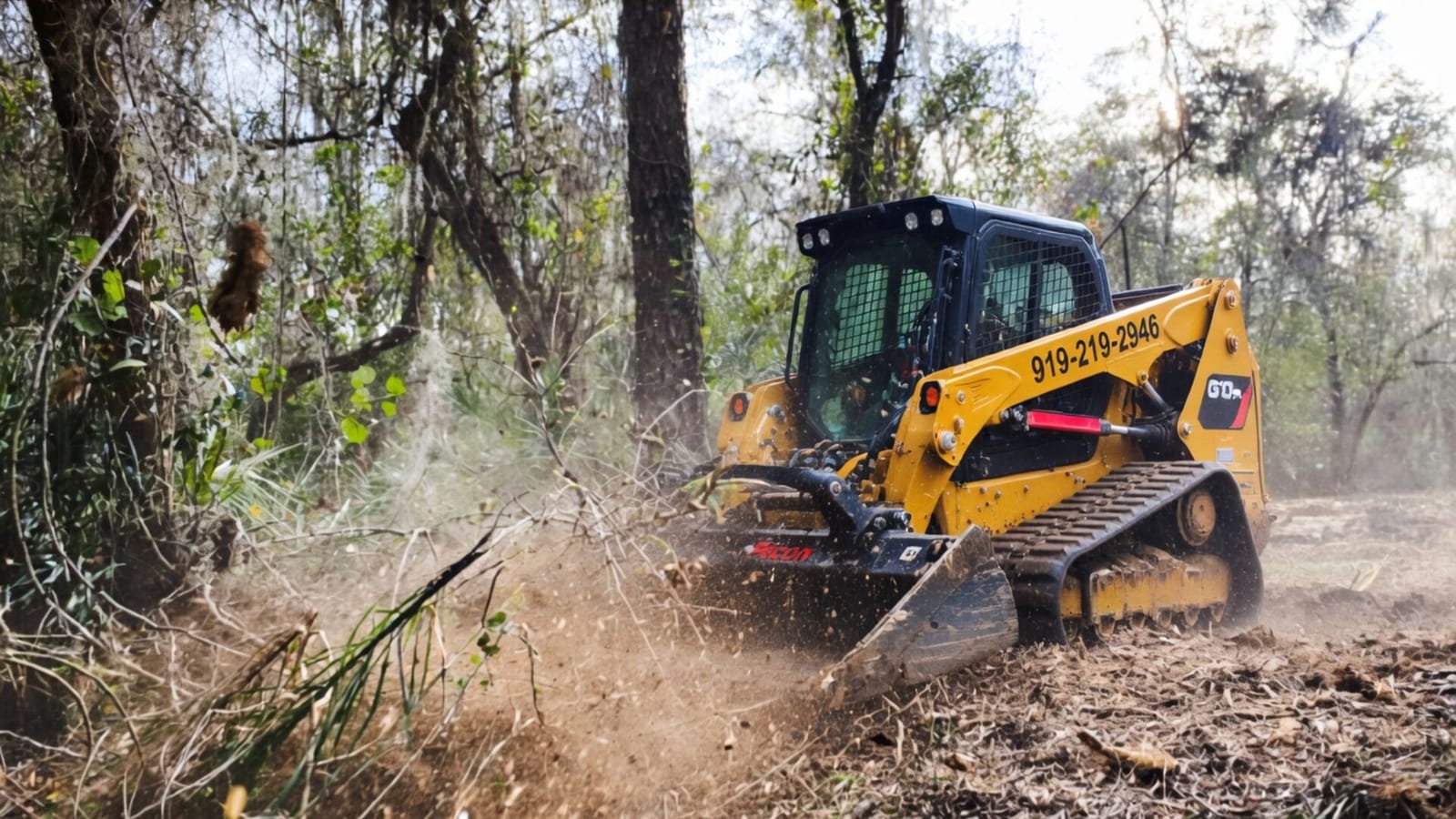
 Underbrush Removal Cost in Texas (2026 Pricing)
Underbrush removal in Texas runs $1,500 to $2,500 an acre, up to $3,500 in East Texas. See what yaupon, privet, keeper trees and cost-share programs change.
Let's Get Started on Your Land
Request a free quote. We'll contact you to discuss your property, access, and the clearing you need.
Get a Free QuoteOr call us directly: (919) 525-3950