
Cedar Clearing in the Texas Hill Country: What Actually Works
Cut Brush Team · September 3, 2026 · 6 min read

Cedar is the most argued-about plant in Central Texas. Ranchers clear it, conservationists defend parts of it, everyone with allergies curses it in January, and there is a small industry built on removing it.
If you own Hill Country land with Ashe juniper on it, you deserve a straight answer on four questions: what it costs to clear, whether it really drinks your water, what comes back, and which trees you should probably leave. Here is our honest take, sources included.
First, It Is Not Actually Cedar
Ashe juniper (Juniperus ashei) is a native Texas species, not an invader from somewhere else. It has always been here. What changed is how much of it there is and where, following generations of fire suppression and grazing patterns that let it spread out of the canyons and rocky ground where it historically concentrated.
That distinction matters for how you treat it. Texas A&M’s own juniper control and management guidance frames the goal as maintaining a blended landscape of grassland and wooded areas, not eradication. The Alamo chapter of Texas Master Naturalist documents its role in local natural areas.
Does Clearing Cedar Save Water? The Honest Answer
You will hear that one cedar tree drinks 30 gallons a day and that clearing it will bring your springs back. You will also hear that this is a myth. The research genuinely conflicts, and anyone who tells you it is settled is selling something.
What the studies actually show:
- Some research finds infiltration under juniper canopy quintupled compared with soil without junipers, and percolation depth nearly tripled, which points toward juniper helping recharge rather than hurting it. (Native Plant Society of Texas summary)
- Other work finds that removing dense brush may increase streamflow and aquifer recharge, but that brush control is unlikely to increase water yields meaningfully where soils and rock are not conducive to it. (same source)
- Texas A&M research on the Freedman Ranch near San Marcos found oak and juniper woodland relying heavily on recent rainfall rather than deep-root water. (same source)
- USGS studied the effects of brush management on the hydrologic budget and water quality at Honey Creek in Comal County.
The variables that decide the answer on your specific land are slope, soil depth, geology, rainfall pattern, vegetation mix, and how much woody cover is already there. Which is a long way of saying: it depends on your property, and a general claim in either direction is not evidence about your property.
The practical takeaway. Clear cedar because you want pasture back, a building site, a defensible space around your house, a view, or a fence line you can see. Those are good, verifiable reasons. Clearing every stem on the place because of a water claim is a decision worth thinking through first, and the state conservation programs that pay for this work treat it as management rather than eradication.
What Cedar Clearing Costs
Cedar is priced by machine hours, and machine hours track trunk diameter more than tree count.
| Condition | Per-acre range |
|---|---|
| Scattered regrowth on open pasture | $1,500 – $2,000 |
| Mixed juniper and brush, moderate density | $1,500 – $2,500 |
| Moderate juniper with understory | $2,500 – $3,500 |
| Closed canopy, larger stems, rock underneath | $3,500 – $4,500 |
Those are the ranges on our San Antonio pricing guide. The reason a phone quote is unreliable here is that “cedar” describes both ankle-high regrowth and a stand you cannot walk through, and the machine feels the difference enormously.
What Comes Back, and When
All of it, eventually, if you do nothing.
General brush management guidance in Texas puts woody cover returning within five to ten years without follow-up, with maintenance every three to five years costing far less than a full reclearing. Mesquite, prickly pear, and other sprouting species are particularly good at returning after mechanical removal alone, which is why chemical follow-up appears in a lot of rangeland programs. Research on honey mesquite and huisache herbicide programs tracks exactly how long different treatments last.
Budget the way ranchers do: a large number once, then a much smaller number on a cycle. NRCS funds this as brush management, conservation practice code 314, through EQIP, with payment rates that vary by brush density and removal method. If you own working acreage, that program is worth a conversation with your local NRCS office before you write the check yourself.
Which Trees to Leave
Three reasons to leave juniper standing, and they are all real.
1. The city may count it. Inside San Antonio, the Unified Development Code sets a 10-inch significant-tree threshold specifically for Ashe juniper, mesquite, huisache, Arizona ash, and hackberry, against 6 inches for most species. Heritage trees start at 24 inches and are preserved at 100%. Completed single-family, two-family, and three-family homesites are exempt. The practical read: your average cedar is less protected than your average oak, but a big one is still a big one.
2. Habitat. The golden-cheeked warbler nests only in Central Texas, builds its nests from bark stripped off mature Ashe juniper mixed with deciduous trees, and has been federally listed as endangered since 1990. Nesting season runs roughly March through August. Kendall County’s permitting materials note that some areas may carry restrictions during nesting season that limit clearing in certain months. Whether your parcel holds habitat is a question for U.S. Fish and Wildlife Service and a qualified biologist. Texas Parks and Wildlife maintains a Hill Country endangered species page worth reading if you own acreage with old stands.
3. Cover, screening, and soil. Juniper on a steep face is holding thin soil in place. Juniper along a property line is a windbreak and a screen. Taking every stem off a slope because it is cedar is how you end up with rock.
The Selective Approach Most Owners Actually Want
In practice, most Hill Country cedar work is selective. Live oaks and shade trees get flagged and kept. The juniper crowding them out comes off. Fence lines, drives, and view corridors get opened. Steep faces and habitat stands are left alone or thinned lightly.
That is slower per acre than a wall-to-wall pass, and it is usually what produces the land people actually wanted.
One scheduling note: if live oaks are part of the scope, Texas A&M Forest Service advises against pruning or wounding oaks from February through June, and recommends painting oak wounds immediately in any month. Cedar work carries no such restriction, so spring projects often start with the juniper and save oak work for the November-to-January dormant window.
Getting Started
If you have Hill Country acreage under juniper anywhere around San Antonio, Boerne, Bulverde, New Braunfels, or Bandera, our forestry mulching service is the method behind most of this work, and the walk-through is free. We will tell you what it will cost, what will come back, and where we think you should leave the trees standing.
Related Services
Learn more about the services mentioned in this article.


More from the Cut Brush Blog
Keep reading for more tips and guides on land clearing.
 Cost Guide
 Forestry Mulching Cost in San Antonio (2026 Pricing)
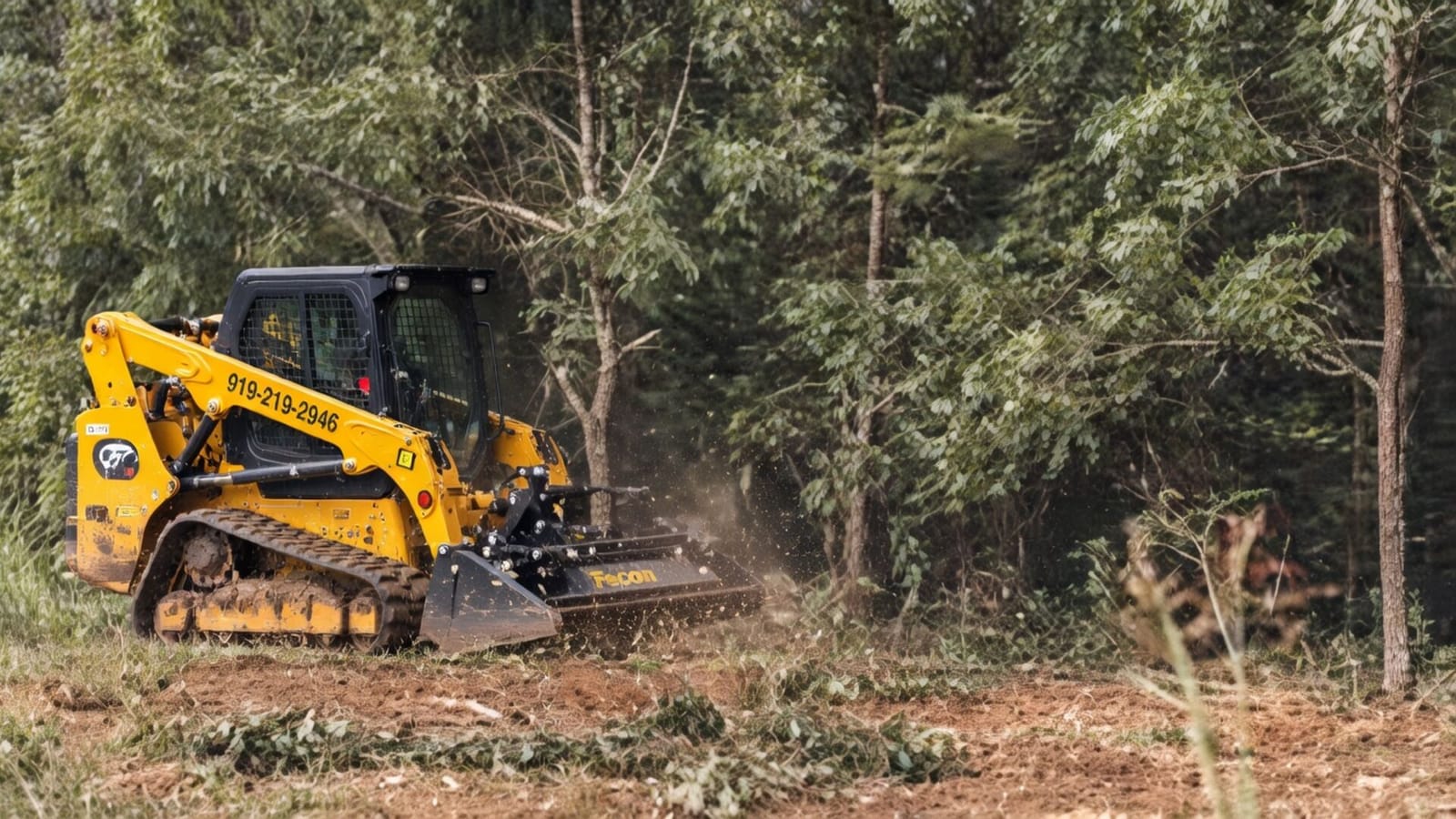
Forestry mulching cost in San Antonio runs $1,500 to $4,000 per acre. What drives the hours on Hill Country cedar, and when mulching beats clearing and hauling.
 Guide
Guide Bexar County Burn Ban: What to Do With Brush When You Cannot Burn It
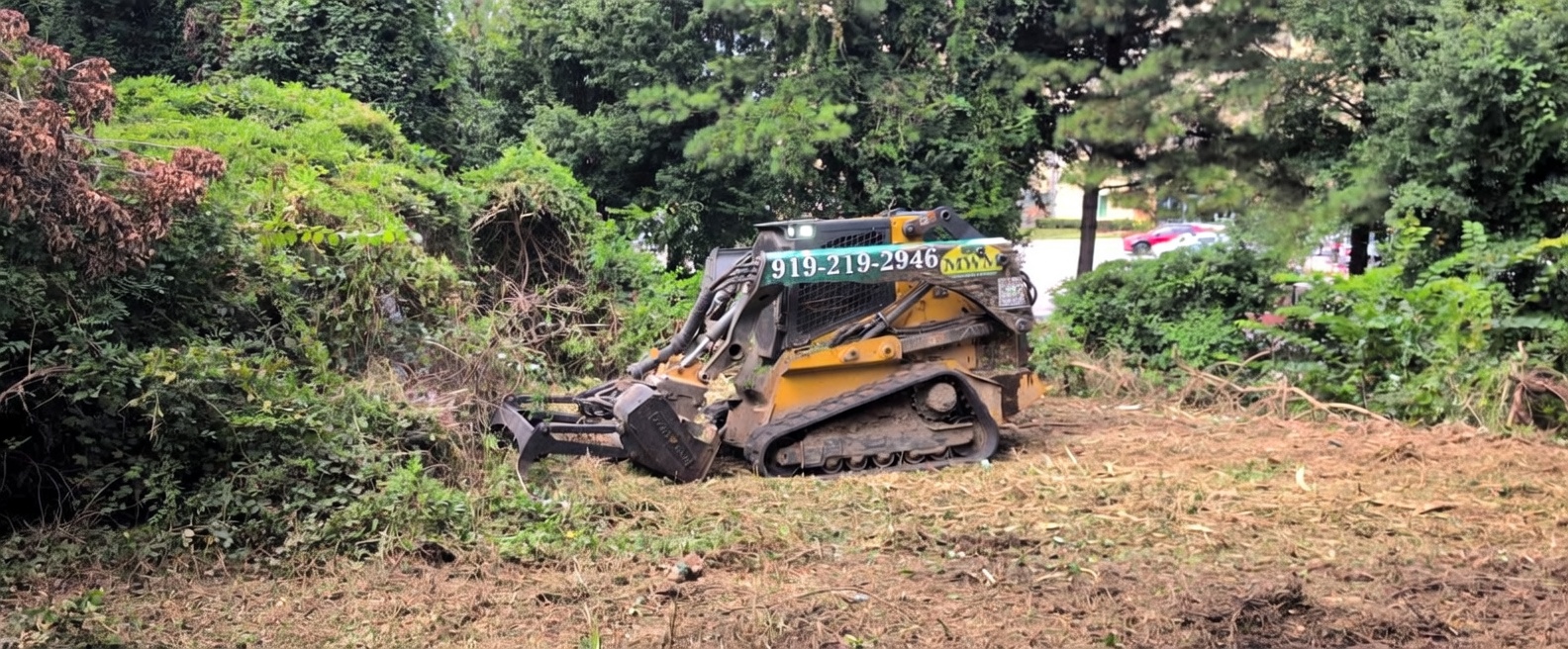
How Bexar County burn bans work, where to check the current status, what the penalties are, and the four ways to get rid of cleared brush when burning is off the table.
 Cost Guide
 Underbrush Removal Cost in Texas (2026 Pricing)
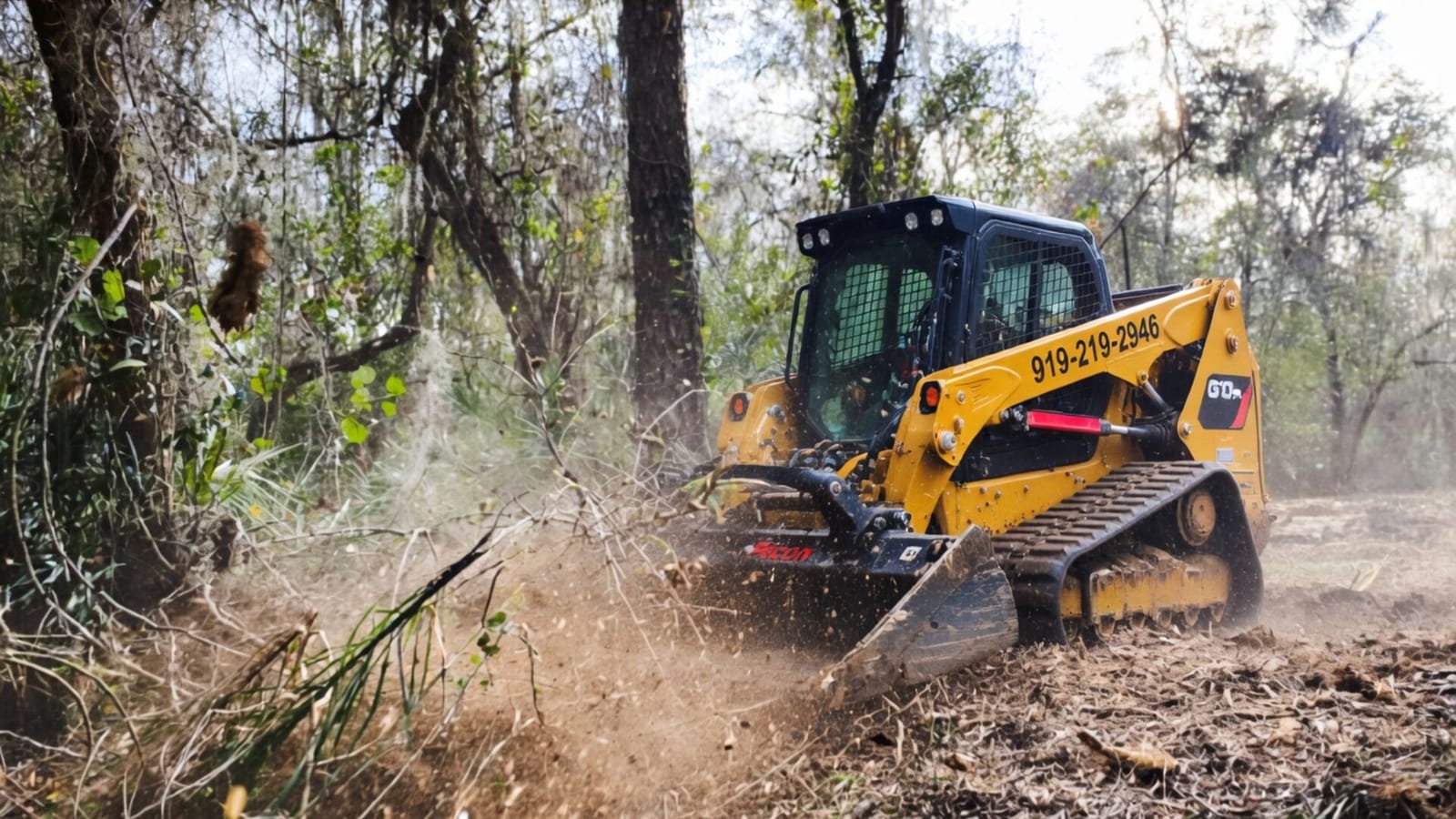
Underbrush removal in Texas runs $1,500 to $2,500 an acre, up to $3,500 in East Texas. See what yaupon, privet, keeper trees and cost-share programs change.
Let's Get Started on Your Land
Request a free quote. We'll contact you to discuss your property, access, and the clearing you need.
Get a Free QuoteOr call us directly: (919) 525-3950