
Chattanooga Land Clearing Permits: TN vs. GA
Cut Brush Team · August 21, 2026 · 3 min read

The Chattanooga service area crosses a state line and several local jurisdictions. A parcel in Chattanooga, unincorporated Hamilton County, Ringgold, or the Walker County side of the metro can face a different review path even when the vegetation and equipment are identical.
That makes jurisdiction the first permit question. Do not assume that a Tennessee answer carries across the Georgia line or that an under-one-acre project is automatically exempt from local review.
Inside Chattanooga: the 1,000-square-foot checkpoint
The City of Chattanooga says a Land Disturbing Permit may be required when 1,000 square feet or more of land-disturbing activity is proposed or when work is near waters of the state or wetlands. The city requests a narrative, site plan, and erosion and sediment-control details, and publishes a fee based on acreage with a minimum fee.
The phrase “may be required” matters. Whether vegetation work counts toward the threshold depends on the complete activity and site conditions. Above-grade mulching may expose less soil than grading or grubbing, but the clearing method does not decide the permit question by itself. When the scope approaches the city threshold, confirm it with the land-disturbing team before scheduling.
Tennessee’s one-acre construction stormwater layer
Tennessee’s construction general permit generally applies to clearing, grading, or excavation that disturbs one acre or more, including smaller work that is part of a larger common development plan. Coverage involves a Notice of Intent and a site-specific stormwater pollution prevention plan.
The state threshold and Chattanooga’s local threshold are separate. A project can require local review while remaining below the statewide one-acre trigger. Hamilton County and surrounding Tennessee municipalities also administer their own stormwater responsibilities, so determine who governs the parcel before choosing a form.
Crossing into Georgia changes the process
Georgia’s construction stormwater permits also use a one-acre threshold and common-plan concept. Local land-disturbing permits are handled by the applicable Local Issuing Authority, and that local process can matter below one acre.
For a Georgia-side project, confirm:
- Which city or county is the Local Issuing Authority.
- Whether a local land-disturbance permit is required for the proposed scope.
- Whether the full development plan reaches the state threshold.
- What erosion-control professional or plan is required.
- Whether current burn restrictions affect debris disposal.
The Georgia Notice of Intent timing and summer open-burning restrictions can also affect the schedule. Catoosa and Walker counties are included in Georgia’s seasonal summer burn-ban area, so a no-burn disposal method can simplify planning even when it does not change the land-disturbance determination.
Why the clearing method still matters
Forestry mulching around Chattanooga leaves processed vegetation on the ground and generally exposes less soil than grubbing, piling, and grading. That can reduce erosion-control demands and eliminates the need to burn a debris pile. It should be described as a lower-disturbance option, not a guaranteed permit exemption.
Full land clearing connected to drives, pads, utilities, or construction can involve additional soil disturbance beyond the vegetation work. Include those phases when measuring the project and discussing it with the governing office.
What should a property owner have ready?
Prepare the parcel address, jurisdiction, approximate work boundary, total development plan, stream or wetland information, intended finish, and proposed debris method. A survey and conceptual site plan make the conversation faster.
Cut Brush can help identify which questions commonly arise and scope the clearing work around a confirmed limit. The city, county, state agency, or qualified design professional makes the final permit determination.
Use the Chattanooga pricing guide to understand clearing variables, then request a Chattanooga-area quote once the intended scope is defined. For per-acre dollar ranges by vegetation density, see our land clearing cost per acre in Tennessee guide.
Official starting points
- City of Chattanooga Land Disturbing Permit
- Tennessee Construction Stormwater Permit
- Georgia EPD Construction Stormwater Permits
- Georgia Summer Open Burning Ban
Confirm the current forms and timing with the authority responsible for the specific parcel.
Related Services
Learn more about the services mentioned in this article.


More from the Cut Brush Blog
Keep reading for more tips and guides on land clearing.
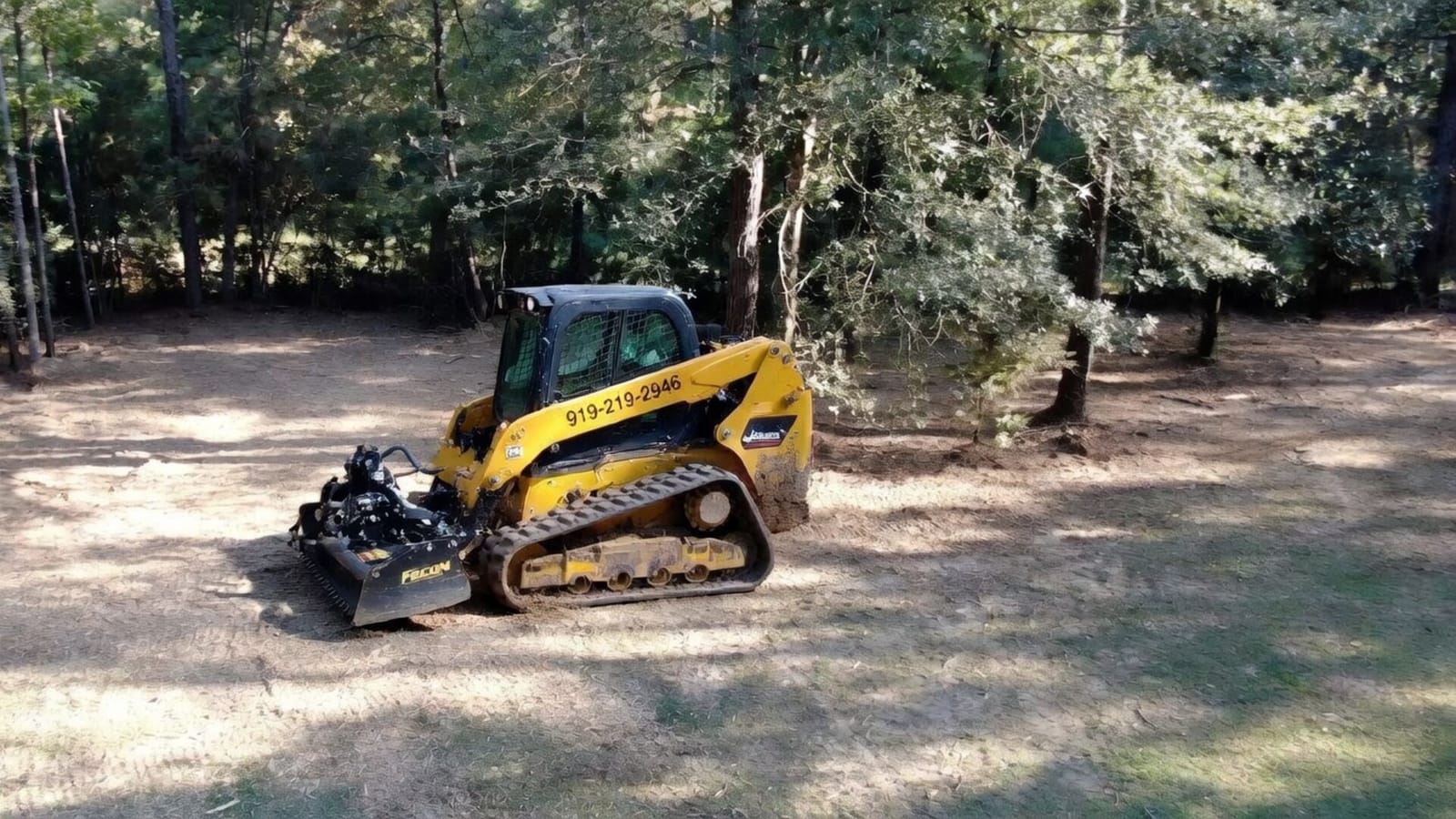 Cost Guide
 Land Clearing Cost Per Acre in Tennessee (2026)
Land clearing cost per acre in Tennessee runs $1,500 to $4,500. See Chattanooga-area pricing by vegetation density, slope, and rock. Request a free quote today.
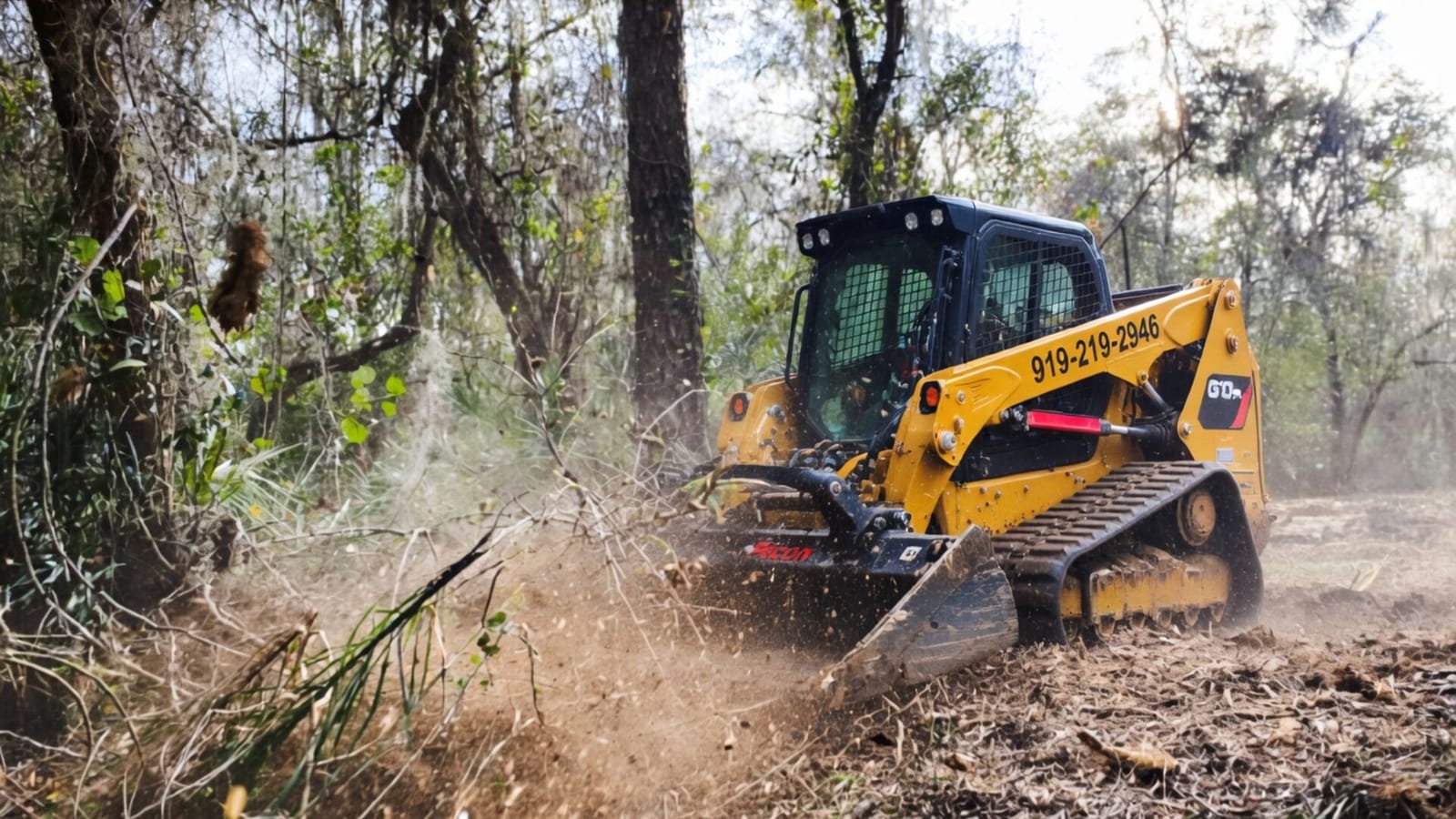 Guide
Guide Kudzu Removal in Chattanooga: Cost & Control Plan
Kudzu removal in Chattanooga takes more than cutting vines. See how kudzu spreads, real control costs, and the multi-visit plan that works. Get a free quote.
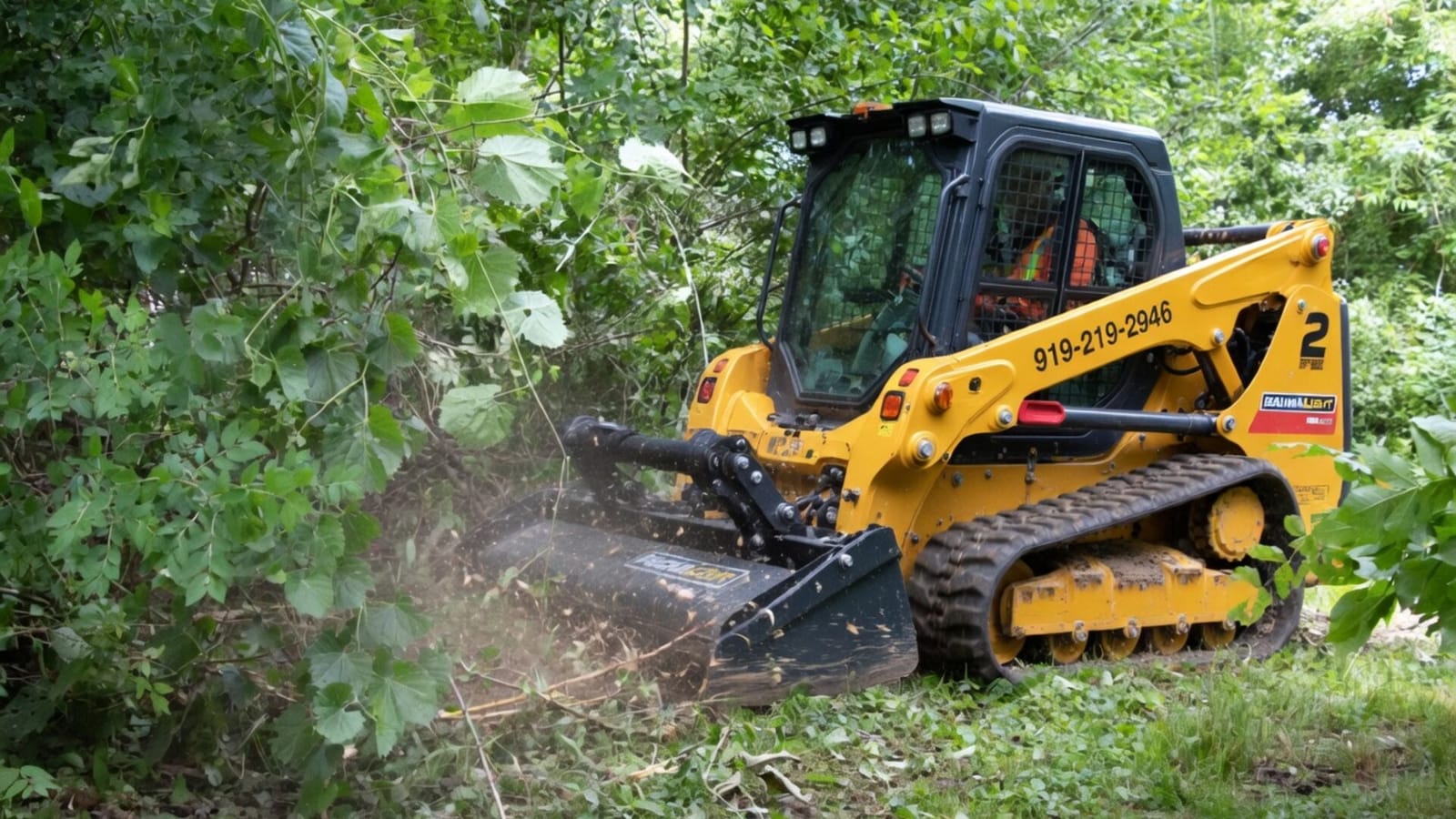 Guide
Guide Bradford Pear Removal in Tennessee: Thickets and Costs
Bradford pear removal in Tennessee: is there a bounty or a ban, why wild callery pear thickets spread, and what clearing them costs per acre.
Let's Get Started on Your Land
Request a free quote. We'll contact you to discuss your property, access, and the clearing you need.
Get a Free QuoteOr call us directly: (919) 525-3950