What to Know Before Clearing Land Around Duncan
The state cedar cost-share does not reach this area this year. The Oklahoma
Conservation Commission's FY27 Invasive Woody Species Cost Share covers eastern redcedar on
holdings of at least 20 contiguous acres, but only in 23 listed conservation districts, and
Stephens, Comanche, Cotton and Jefferson are not among them (as read October 2026). Budget
as if you are paying the full bill, then ask the county conservation district and NRCS office
what else applies. Our
guide to
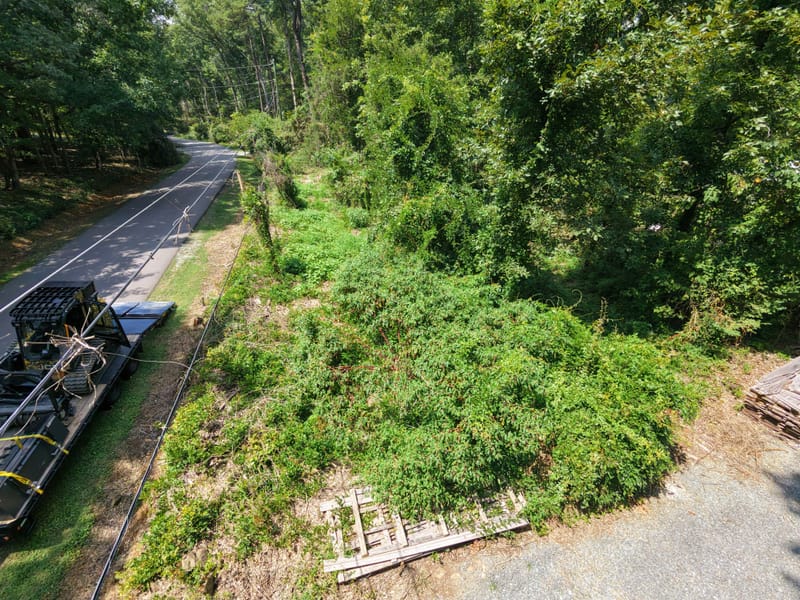
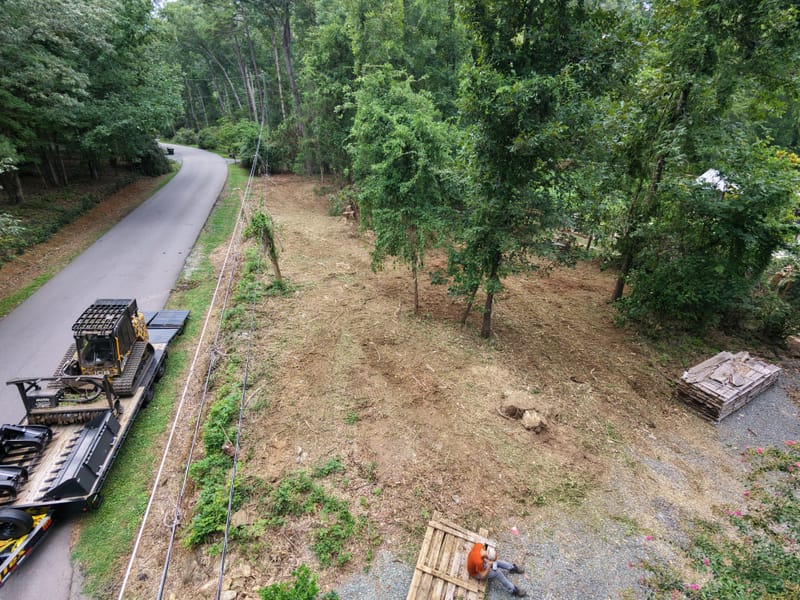
clearing redcedar from Duncan-area pasture walks through it.
Inside the city, the floodplain is the question. The City of Duncan requires
a Floodplain Development Permit along with a building permit for building or improving within
the floodplain. Its published permit forms do not include a clearing or grading permit, so
call the city before assuming either way. Statewide, disturbing an acre or more needs ODEQ
construction stormwater coverage before work begins. Requirements vary by parcel, scope and
jurisdiction, and the governing authority makes the determination. The
Duncan and
Stephens County permit guide sets out the order.
Clearing is the start, not the finish. OSU Extension's redcedar guidance is
to follow any first treatment with prescribed burning every three to five years and proper
grazing management, because new seedlings keep arriving. Grinding a pasture back to grass
works best when you already have a plan for the next five years, whether that is fire,
stocking changes or a scheduled mowing pass.