What to Know Before Clearing Ground in Brazoria County
This land drains by ditch. The soils are chiefly
alluvial loams and clays
on a county that takes about 52 inches of rain a year, and the water leaves through canals and
ditches kept by
separate drainage districts,
among them the Angleton Drainage District and the Velasco Drainage District at Clute. Piling
chips or staging a trailer on a ditch bank is a question for the district that owns it, so ask
before the first cut.
Tallow comes back from the root. Chinese tallow is established across the
Texas Coastal Prairie
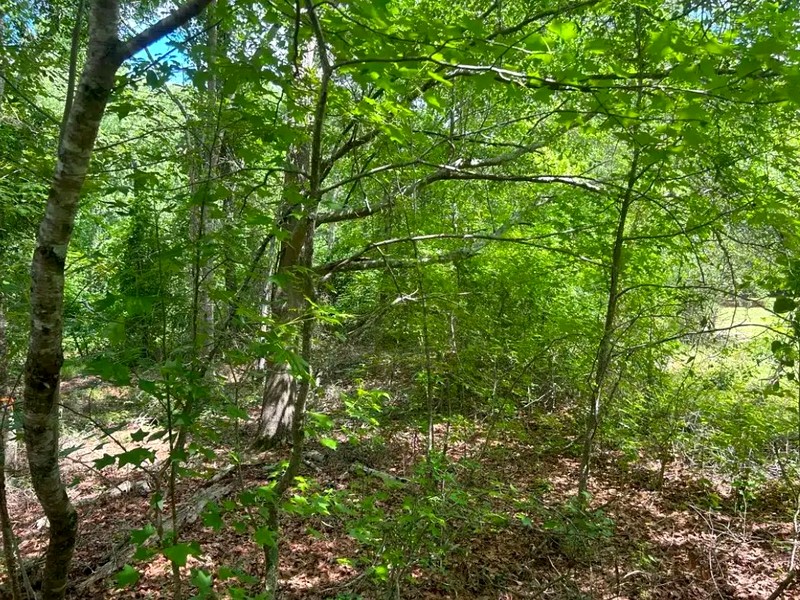
and resprouts quickly from crown and root buds when the top is cut. On open prairie it shows up as scattered young trees. In the Brazos and San Bernard
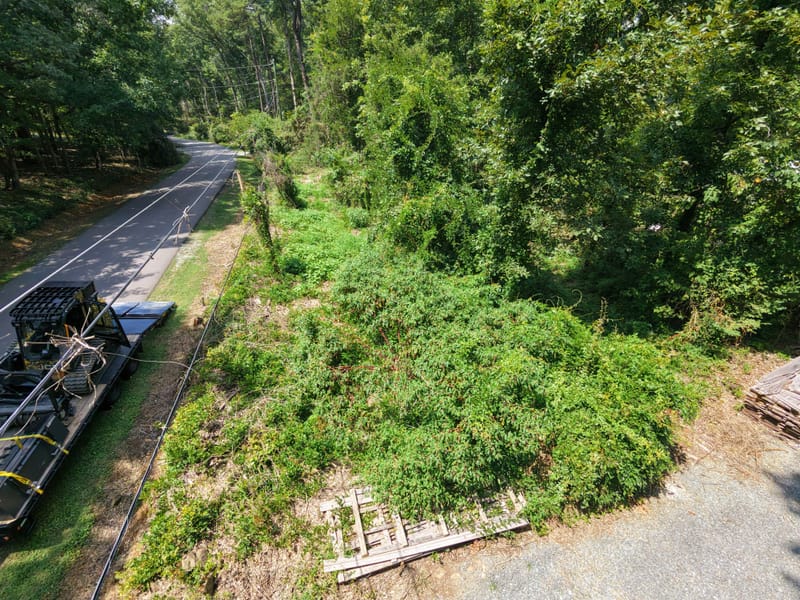
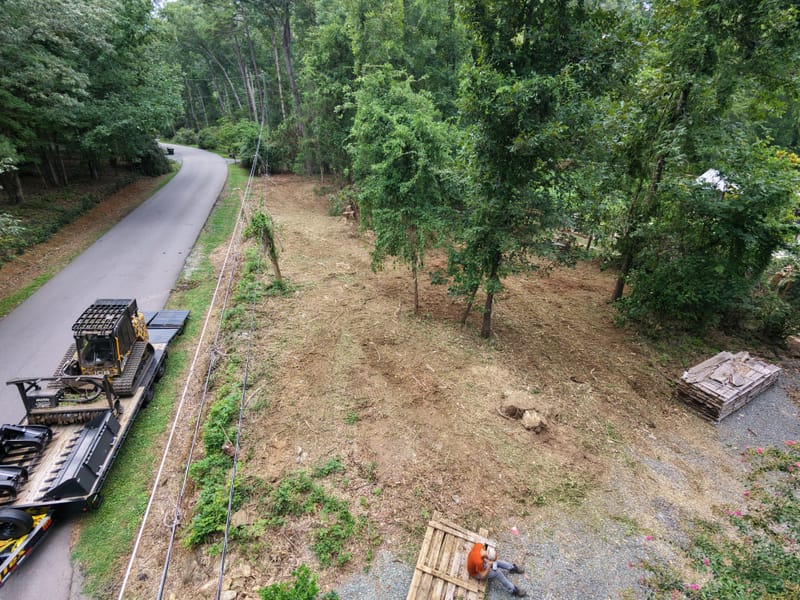
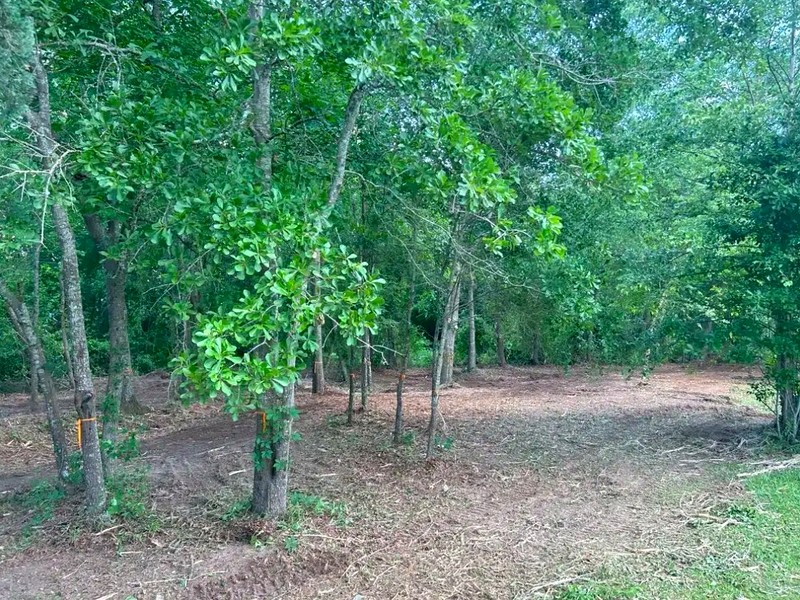
bottoms it grows among pecan, hackberry, elm and live oak, and we walk the stand with you to flag
every tree you want kept before the machine moves. Mulching opens the ground; the follow-up for
shoots is written into the quote, and any herbicide is a licensed applicator's work. Our
Chinese tallow clearing guide
covers the plan.
Which office answers depends on the parcel. Inside the city, Angleton
Development Services, 979-849-4364, takes applications through its online portal and lists
permits for culverts, drainage pipe and flat work such as driveways,
so a new gate or drive entrance is worth a call. Outside the city limits, Brazoria County's
Floodplain Department, based in Angleton, handles floodplain permits. The state's
construction stormwater permit
applies once work disturbs an acre or more of soil, and any digging below grade starts with a call to 811 at least two days ahead.
Requirements vary by parcel, scope and jurisdiction, and the governing authority makes the
determination.