
Brush Hogging Cost Per Acre in Nebraska (2026 Guide)
Cut Brush Team · November 9, 2026 · 9 min read
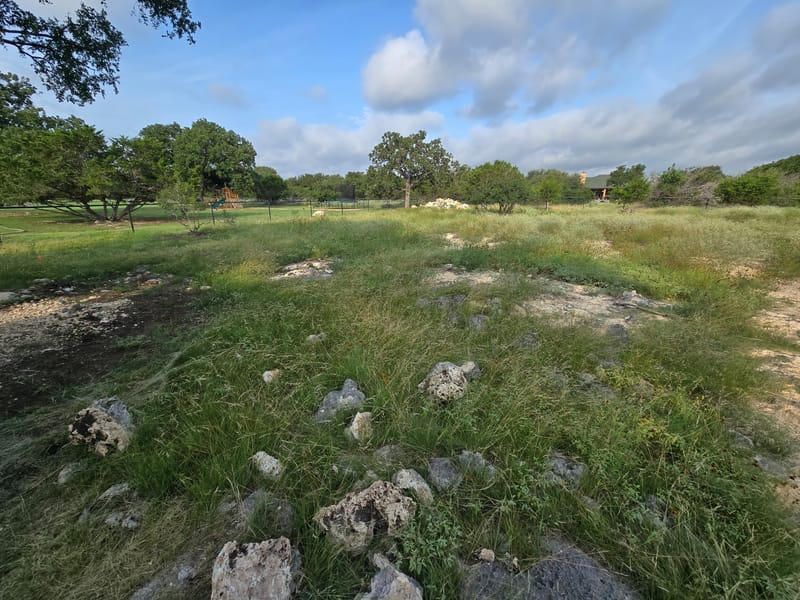
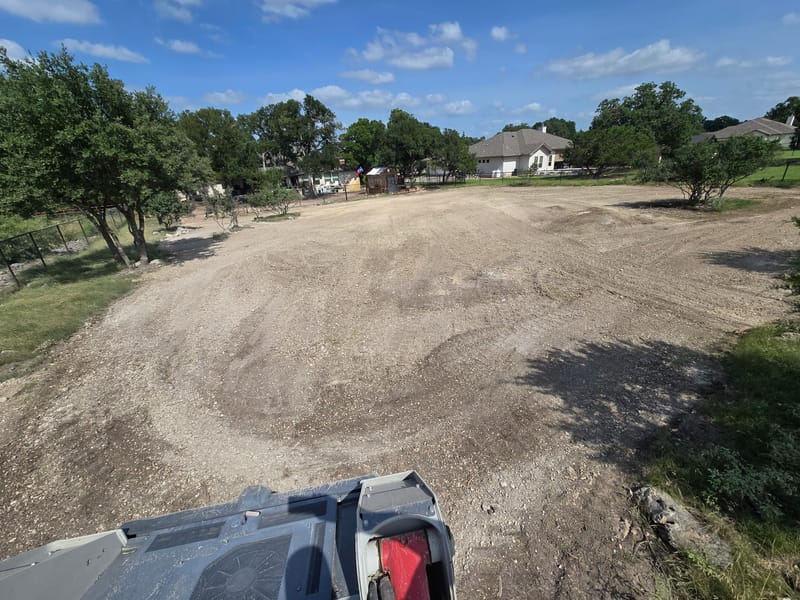
A hay meadow above the Missouri that nobody has cut since the last tenant left, or a pasture outside Weeping Water going to sumac and thistle: before you call anyone, you want a number. We brush hog Nebraska fields for $75 to $400 an acre, set by how long the field has gone without a cut, with a $250 to $500 minimum per visit.
The bottom of that range is a pasture mowed last summer. The top is three or more seasons of thistle, sumac and young cedar. Once stems pass 2 to 3 inches, a mower is the wrong machine and the job moves to our clearing bands.
At a glance:
- Mowed within the past year: $75 to $150 an acre
- Three or more years overgrown: $200 to $400 an acre
- Smallest job: $250 to $500 per visit; by the hour, $60 to $150
- Cedar: a mower finishes it up to about 2 feet tall; taller cedar is a cutting or mulching job
- Noxious weeds: Nebraska law puts their control on whoever owns or controls the land, and a mowing pass alone does not control musk thistle or sericea lespedeza
- Red flag days: mowing waits, because dry grass and a hot mower deck start grass fires
Our Nebraska brush hogging runs through our Plattsmouth market, which covers Cass, Sarpy, Douglas and Otoe counties, from Bellevue and Gretna down to Nebraska City. Land elsewhere in the state is still worth asking about.
How Much Does Brush Hogging Cost Per Acre in Nebraska?
The price follows the field, so our bands run by how long it has been since the last cut:
| Field condition | Our price per acre | What it looks like in Nebraska |
|---|---|---|
| Mowed within the past year | $75 – $150 | Pasture or hay grass, musk thistle still in flat rosettes, cedar seedlings hidden in the grass |
| One or two seasons of growth | $125 – $250 | Waist-high grass, thistle in bud or bloom, sumac shoots and cedar under 2 feet |
| Three or more years overgrown | $200 – $400 | Smooth sumac patches, brush and saplings up to 2 inches thick |
| Past a mower | Not a brush hog job | Cedar over 2 feet, elm or sumac stems past 2 to 3 inches: priced as clearing |
Every visit carries a minimum of $250 to $500, because trailering the tractor and cutter costs the same for one acre as for ten. On a field whose history nobody knows, we may quote by the hour instead, at $60 to $150.
Where these numbers come from. The three mowing bands are our own brush hogging rates, set wide on purpose so the quote you get does not surprise you. When growth has outrun a mower, the work moves onto our Plattsmouth pricing page: Young Cedar & Brush Clearing at $1,500 to $2,500 an acre, or forestry mulching at $1,500 to $4,000. That jump is why a figure of $500 an acre or more for “brush hogging” is really describing clearing work, not a mower pass.
What Moves the Price in Nebraska, and What Grows Back
How many summers since the last cut. Smooth sumac is the plant that turns a skipped pasture into a costly one here. It spreads from an extensive underground root system that pushes outward 3 feet or more a year, so a patch skipped for three summers has spread 9 feet or more in every direction. With that much root below ground, one mowing sets sumac back without killing it; cutting it twice at the end of summer, several years running, is what wears a stand down. We price a sumac pasture one visit at a time, and each later visit should land in a cheaper band.
How tall the cedar is. Eastern redcedar does not sprout from the stump: cut below its lowest branches, it is finished. Under about 2 feet, the cutter takes it off low enough to kill it, so a field mowed every year or two never grows a cedar problem. From 2 to 10 feet each tree has to be cut on its own, and past 10 feet cutting is the most economical treatment left. A field with cedar at knee height and up has left our mowing bands; our eastern redcedar removal guide covers the clearing plan.
Pro tip: If cedar seedlings are showing above the grass, have the field mowed before they reach 2 feet. Under that height the mower kills them for $75 to $250 an acre. Wait a few seasons and the same trees put the field in a $1,500 an acre clearing band.
Siberian elm in the fence rows. Elm seed carried on the wind lands in pastures, stream banks and roadsides. Seedlings go under the cutter with the grass; once a stem passes 2 to 3 inches, it is a clearing job, and mature elms are best girdled in late spring and given a year or two to die.
Thistle and the mowing date. Musk thistle flowers from May through August. Mowing a patch at bud or bloom only holds back its seed for now, and the younger plants in the same patch flower later and need another pass. If thistle is why you are mowing, the date of the visit matters as much as the price of it.
Brush Hogging Across Nebraska
The loess hills of Cass and Otoe counties. Around Plattsmouth, Murray, Weeping Water, Syracuse and Nebraska City, upland pasture sits on Marshall silt loam: deep, well-drained loess on slopes from flat to 25 percent. The ridgetops mow fast. The side slopes put the tractor across the hill at a slower pace, and a draw too steep to mow safely is left out of the quote, with that said before the job starts. The Plattsmouth land clearing page covers the towns and the bluffs.
The Platte and Missouri bottoms. Bottom fields below Louisville and along the Missouri past Bellevue can be Zook soils: silty clay that is poorly drained and ponds through late winter and spring. Plan to mow bottoms once they firm up after the spring ponding. Cass, Sarpy and Douglas are among the ten counties of the Lower Platte Weed Management Area, which works against purple loosestrife, saltcedar and phragmites. If phragmites has taken over a wet corner, a mower will not kill it.
Acreages on the Omaha edge. Around Gretna, Springfield and Bennington, on an acreage of a few acres behind a house or a horse pasture, the $250 to $500 minimum is often the whole bill, so mowing every corner in one visit, or pairing with a neighbor on the same road, gets the most from it. Sarpy County runs its own Noxious Weed Control Authority for the noxious weeds on these acreages.
Central and western Nebraska. On CRP and ranch ground from the Platte Valley to the Sandhills, the calendar sets the job more than the price: the CRP nesting season and dry, windy fire weather decide when a mower runs. Where cedar has gone past a mower, our Plattsmouth forestry mulching cost guide takes over.
Nebraska Weed, Nesting and Fire Rules Before You Mow
Noxious weeds are the landowner’s job. Neb. Rev. Stat. 2-952 makes every person responsible for controlling the spread of noxious weeds on land they own or control. The state list: Canada, musk and plumeless thistle, leafy spurge, purple loosestrife, spotted and diffuse knapweed, saltcedar, phragmites, sericea lespedeza, and Japanese, Bohemian and giant knotweed. Mowing helps but does not finish the duty: sericea lespedeza flowers July to September, and mowing it stops seed without controlling the plant.
Cass County enforces it. Its five-member elected Weed Control Authority issues individual noxious weed notices, refers landowners who do not act to the County Attorney, and files notices of unpaid weed control assessments with the Register of Deeds. It does not regulate nuisance weeds, trees and brush, or mowing heights.
CRP fields have a nesting season. In Nebraska the primary nesting season runs May 1 through July 15. If the field is enrolled, talk to your county FSA office before any mowing in that window.
Red flag days. Skip mowing on a red flag day. If it cannot wait, mow before 10 a.m. while the grass is moist, and watch the field for at least an hour afterward. Hot, dry, windy afternoons are the worst time to cut a road ditch or pasture edge, and dry stems packed on a mower deck can catch.
No burn pile. A brush hog leaves the cut growth lying on the field. Nebraska bans fires for clearing land unless your local fire chief waives the ban: by a permit for your burn (fee up to $10), or by a department-wide waiver, after which you notify the chief before lighting. Burning trees cleared for construction or right-of-way also needs a state open fire permit. A mowed field needs none of it.
Frequently Asked Questions
How much does it cost to brush hog 1 acre in Nebraska?
Usually $250 to $500, because our per-visit minimum covers a single acre. The mowing itself is worth $75 to $400 depending on the growth, but the trailer ride costs the same either way.
Why do brush hogging quotes for the same field differ so much?
Because the condition of the field moves the price fivefold, from $75 an acre on last year’s hay ground to $400 on three years of sumac. A field priced sight unseen can turn out worse than described. When our crew calls, we ask when it was last cut, how thick the biggest stems are and whether cedar is showing, so the figure holds. A price of $500 an acre or more is a clearing price.
Will mowing kill the cedar trees in my pasture?
Yes, for cedar under about 2 feet, as long as the cut lands below the lowest branches. A stub left with green branches can keep growing, and female cedars nearby keep seeding new ones in. Taller trees need cutting, which prices in our Young Cedar & Brush Clearing band.
Can I brush hog CRP ground in Nebraska in June?
June falls inside Nebraska’s primary nesting season for CRP, May 1 through July 15. Ask your county FSA office before mowing enrolled acres in that window.
Does mowing count as controlling noxious weeds in Nebraska?
Not on its own. Mowing musk thistle at bud or bloom only holds back this year’s seed, and mowing sericea lespedeza stops seed without controlling it. Your county weed control authority decides whether a patch is under control.
Get a Brush Hogging Quote for Your Nebraska Field
Request a free quote and pick the nearest area below, and our crew will contact you to talk through the field: when it was last cut, what is growing in it, and whether it needs a mower or a clearing machine. If it has gone past a mower, the bands are on our Plattsmouth pricing page, and our Nebraska land clearing cost guide prices the acre.
The other Nebraska cost guides cover the next step up: forestry mulching, underbrush removal and land clearing and grading.
Sources
- Nebraska Department of Agriculture, Noxious Weeds
- Nebraska Forest Service, Red Flag Warnings: Critical Fire Weather Conditions
More from the Cut Brush Blog
Keep reading for more tips and guides on land clearing.
 Cost Guide
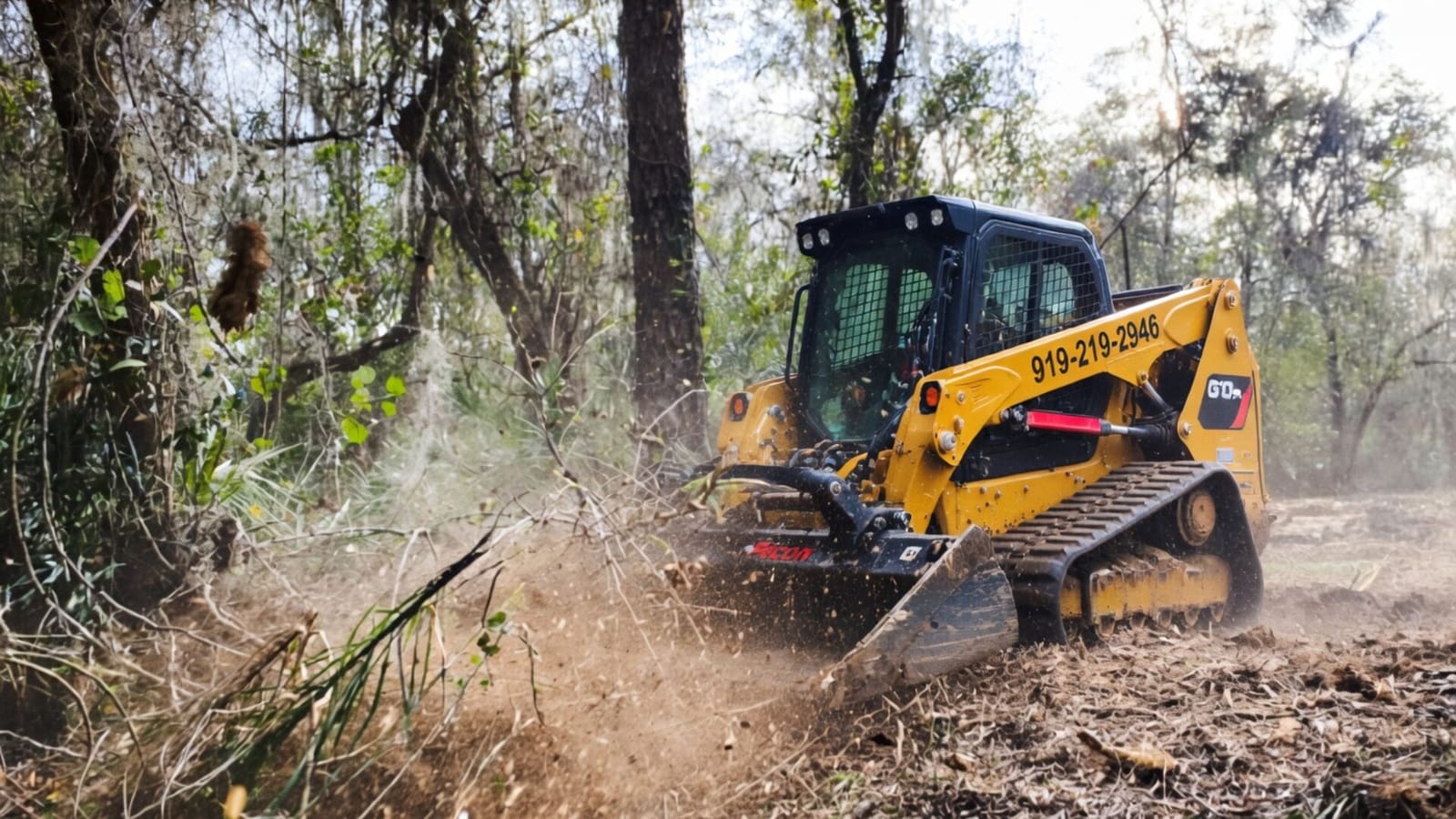
Underbrush Removal Cost in Nebraska (2026 Guide)
Underbrush removal in Nebraska costs $1,500 to $2,500 an acre on our Plattsmouth bands. See what honeysuckle, bluff slopes and the oaks you keep do to it.
 Cost Guide
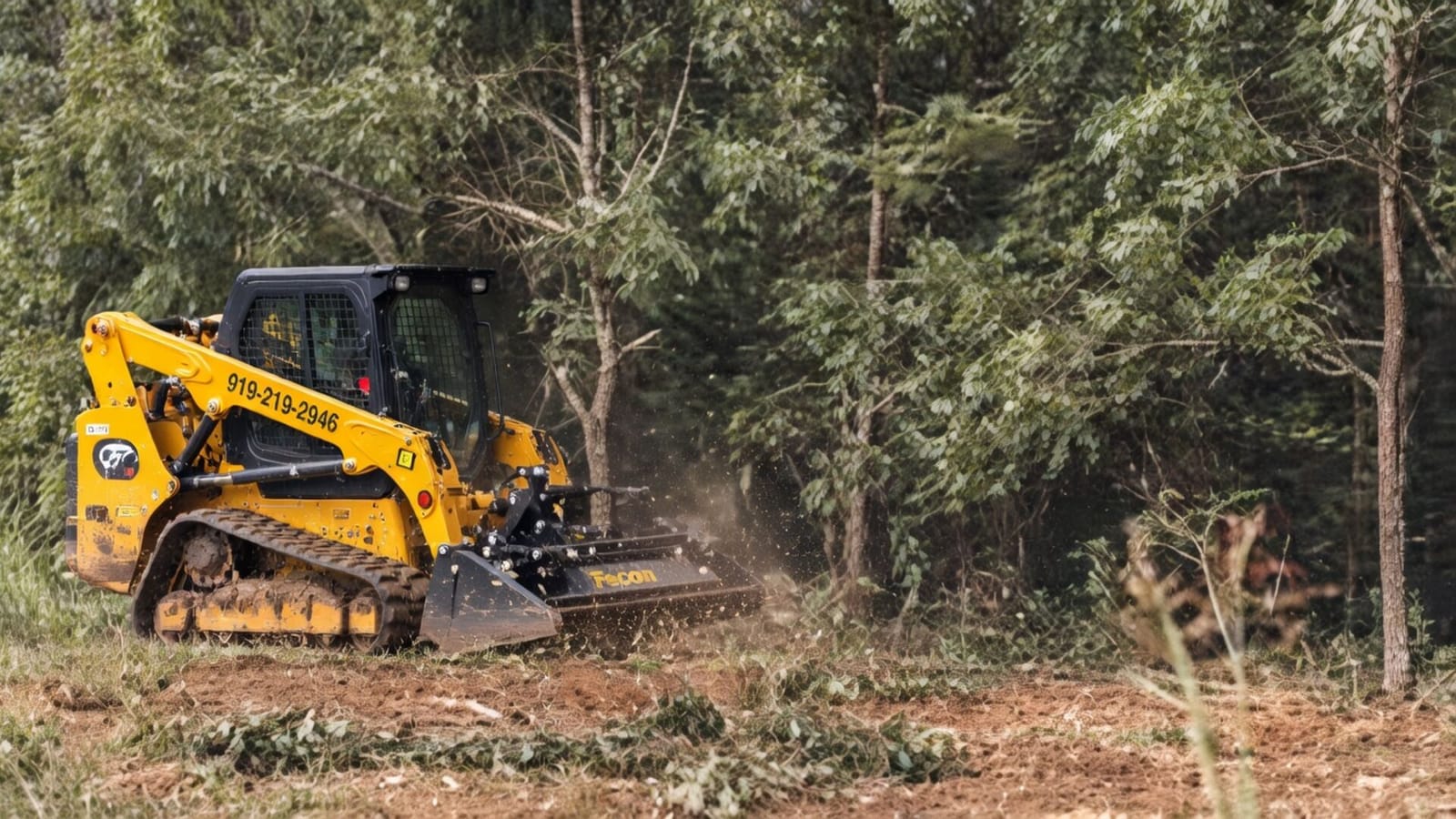
Forestry Mulching Cost in Nebraska (2026 Guide)
Forestry mulching in Nebraska costs $1,500 to $4,000 an acre. See how cedar stage, loess bluffs and the state's two burn permits for piles change your price.
Cost Guide Forestry Mulching Cost in Plattsmouth, NE (2026)
Forestry mulching in Plattsmouth, NE costs $1,500 to $4,000 an acre. Grind cedar in place or cut and burn? Burn ban and bluff grade explained. Get a free quote.
Comparing states? See land clearing costs by state.
Let's Get Started on Your Land
Request a free quote. We'll contact you to discuss your property, access, and the clearing you need.
Get a Free QuoteOr call us directly: (919) 525-3950
 Quick answers from Cut Brush