
Forestry Mulching Cost in Columbia, SC (2026 Pricing)
Cut Brush Team · September 3, 2026 · 4 min read
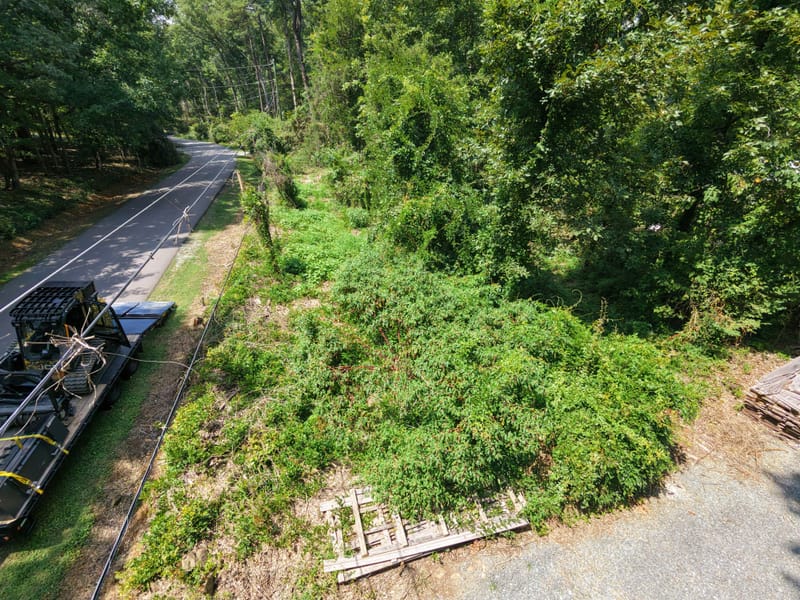
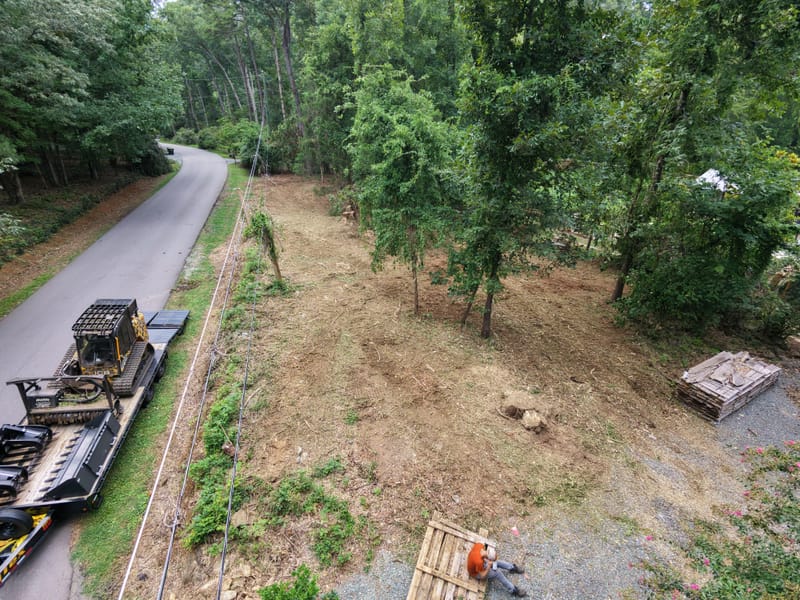
Forestry mulching is billed for time on the ground, not area covered, which is why two identical-looking five-acre tracts around Columbia can come back thousands of dollars apart.
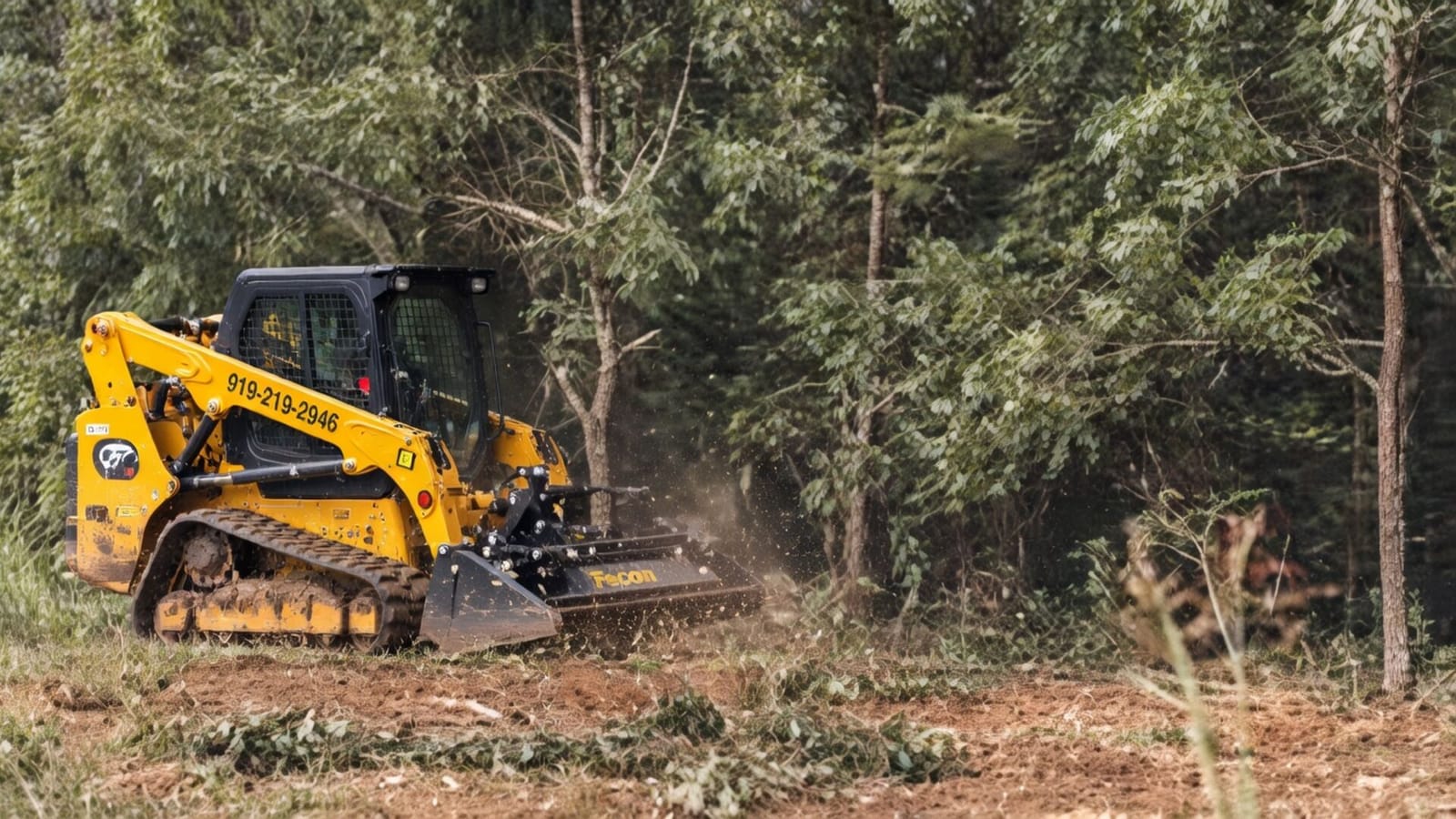
Around Columbia, forestry mulching runs $1,500 to $4,000 per acre, and understory work beneath a standing pine stand often lands between $1,500 and $2,500 because the material is sized for the machine and the overstory never has to be touched.
Here is what decides where a specific tract falls.
The Four Things That Drive the Hours
1. Overstory staying or going
This is the biggest single lever in the Midlands. Taking understory out from beneath planted or regenerated pine is efficient work: small material, no trunks to fight, canopy untouched. Clearing a tract to open ground means dealing with the timber as well, which is a different scope at a different price.
Decide which one you actually want before you collect quotes, because a cheap number and an expensive number may be describing two different jobs.
2. Stem size, not stem count
A drum works through small stems quickly and slows sharply as diameter climbs. An acre with a lot of small regrowth often prices below an acre with fewer, larger stems. Anyone pricing your tract properly is looking at diameters rather than estimating from the road.
3. Sandhill upland or stream bottom
Columbia sits on the Fall Line, and the Sandhills belt through it carries sandy soils drawn from coarse marine sediments, with hardwood confined to the narrow floodplains along medium-gradient streams. Sand drains and lets a machine work fast. The bottoms hold water and slow a tracked machine considerably.
A tract that spans both is two jobs, and it prices as two jobs. This is the most common reason a windscreen quote is wrong here.
4. Access
Long sandy drives, gates, culverts, and low limbs over the approach burn hours before any clearing starts. It is the variable owners most often leave out of a phone call.
Mulching Against the Alternatives
| Method | Cost driver | What you are left with |
|---|---|---|
| Forestry mulching | Machine hours | Cover on site, nothing to dispose of |
| Cut and haul | Cutting plus trucking plus disposal | Bare ground, highest total cost |
| Cut and pile | Cutting, plus a disposal problem deferred | A pile to deal with later |
| Clear to grade | Machine hours plus dirt work | A build-ready pad, priced accordingly |
What the Mat Is Worth on Sandhill Ground
Sandy soil stripped bare does not hold well, and Sandhills soil is not rich to begin with. Leaving processed material on the surface keeps the ground covered and returns organic matter as it breaks down.
Depth follows the material: a light understory pass leaves a scattering, a heavy stand leaves a substantial mat. Where the ground is going back to grass we aim thin enough for it to come through; on disturbed edges we deliberately leave more.
What Mulching Does Not Cover
Stumps and grade. The drum works at and slightly below grade. A building pad needs clearing plus dirt work, not mulching alone.
Permanent removal of regrowth. Understory returns. How fast depends on what is growing and how much light now reaches the floor. A maintenance pass on ground cleared a few years ago costs a fraction of the original job, and where the goal is permanently open ground that takes a programme rather than a single pass.
Your permit. Method does not change what the state asks. South Carolina gates land disturbance by acreage: under an acre in a non-coastal county is a notification form and an exemption letter; one to two acres requires Construction General Permit coverage before any clearing, grading, or excavating begins, plus a simplified plan and a SWPPP; above two acres is another tier. A parcel inside a larger common plan of development needs the full notice of intent regardless of its own size. Our land disturbance guide covers it properly.
Timing
Search interest for clearing around Columbia peaks in autumn, which lines up with how landowners here work: cooler ground, drier bottoms, and time before spring growth returns. Sandy uplands are workable most of the year, so if your tract is all upland the calendar is flexible. If it includes stream bottoms, waiting for a drier window buys a better result for the same money.
Getting a Real Number
Ranges are for budgeting. The number you pay comes from someone standing on your ground, looking at what the drum will actually meet, what is staying overhead, and where the sand ends.
The Columbia pricing guide has every range side by side, the statewide cost guide covers South Carolina generally, and the pine understory guide covers the most common job here in detail.
If your property is anywhere around Columbia, Lexington, Irmo, Chapin, Blythewood, or Camden, the walk-through is free and the written quote usually follows within a day.
Related Services
Learn more about the services mentioned in this article.


More from the Cut Brush Blog
Keep reading for more tips and guides on land clearing.
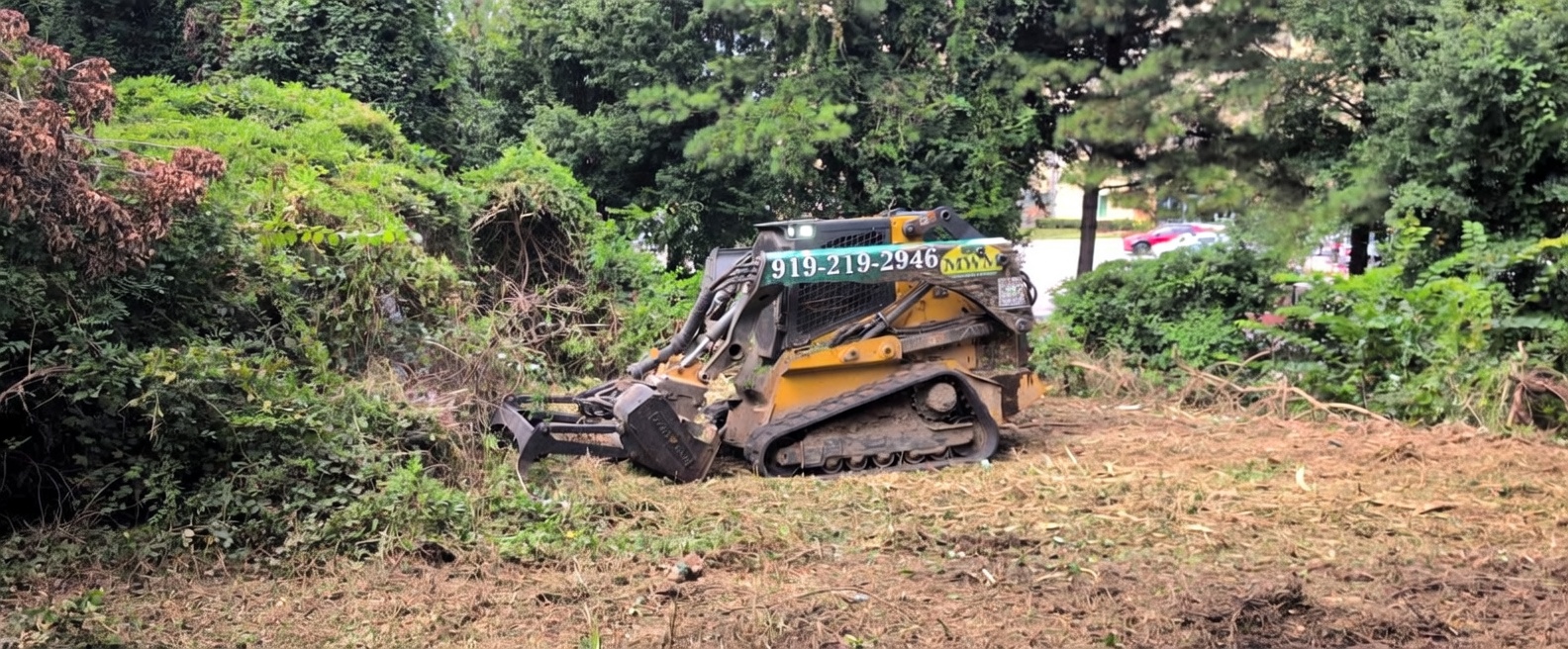 Cost Guide
 Brush Hogging Cost Per Acre in South Carolina (2026 Guide)
Brush hogging in South Carolina runs $75 to $400 an acre with Cut Brush, plus a $250 to $500 visit minimum. See how field age, pear and cogongrass move it.
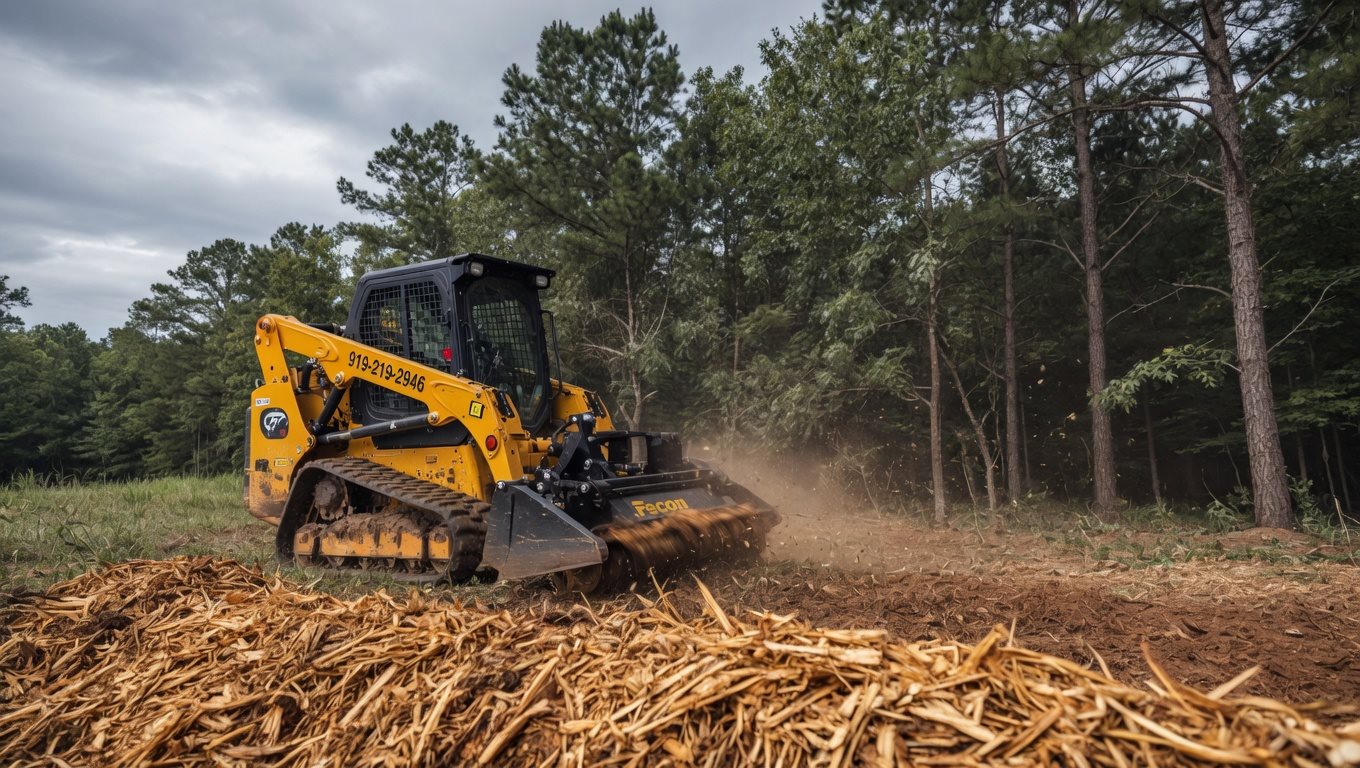 Cost Guide
 Land Clearing Cost Per Acre in South Carolina (2026 Guide)
Land clearing cost per acre in South Carolina runs $1,500 to $4,500. What sandhill ground, pine stands and the state's acreage permit tiers do to a quote.
 Cost Guide
 Forestry Mulching Cost in South Carolina (2026 Guide)
Forestry mulching in South Carolina runs $1,500 to $4,000 an acre with Cut Brush crews in Charleston, Columbia and Greenville. Here is what moves your price.
Let's Get Started on Your Land
Request a free quote. We'll contact you to discuss your property, access, and the clearing you need.
Get a Free QuoteOr call us directly: (919) 525-3950