
Forestry Mulching Cost in Utah (2026 Guide)
Cut Brush Team · November 9, 2026 · 9 min read
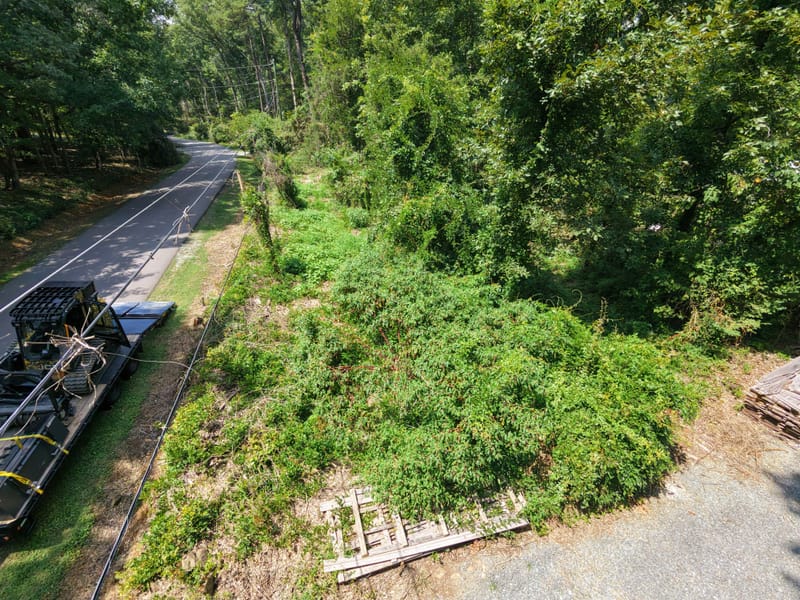
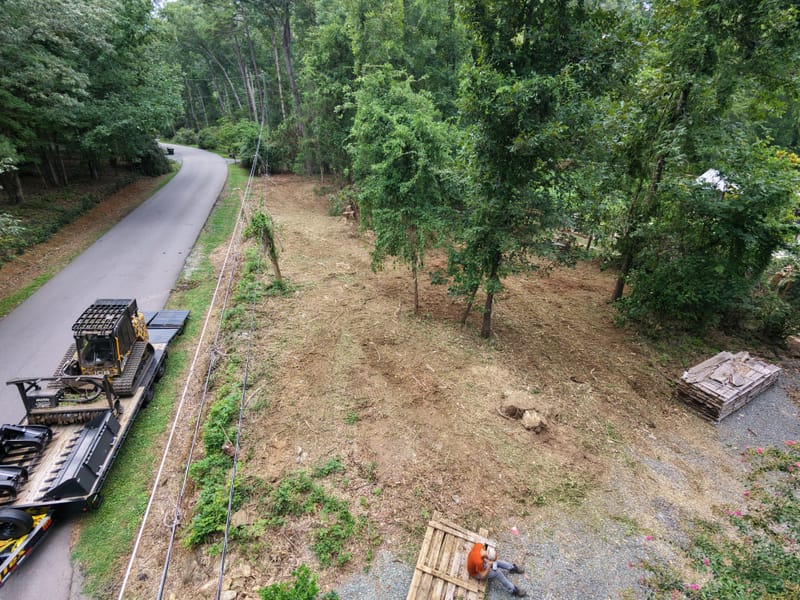
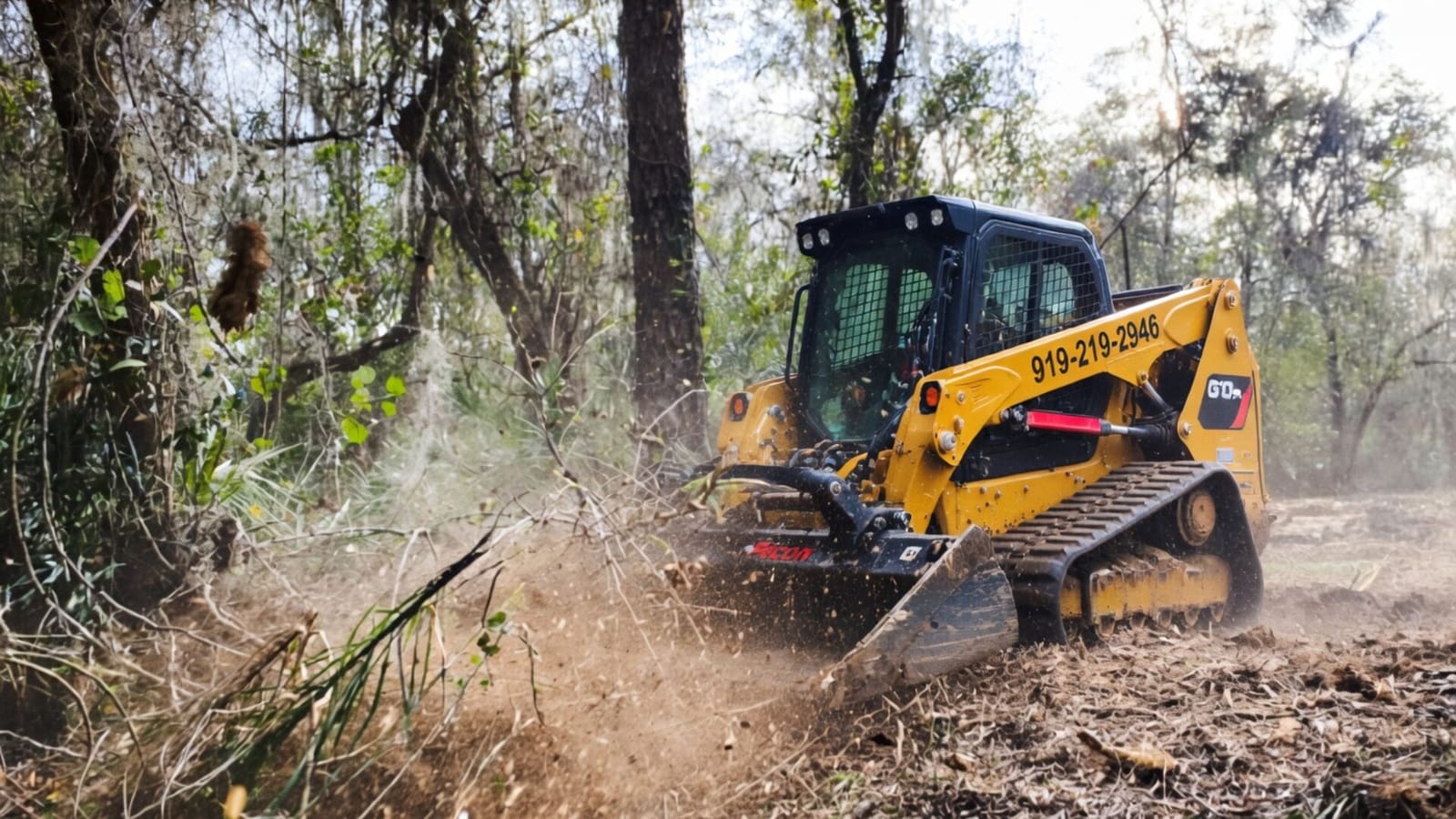
Forestry mulching in Utah costs $1,500 to $4,000 an acre with our crew, and cutting young pinyon, juniper or oak brush out of sagebrush costs $1,500 to $2,500 an acre. This is not bark for a flower bed. A tracked machine with a spinning drum grinds the scrub oak, cedar and sagebrush standing on your land and leaves it on the ground as chips.
At a glance:
- Young trees scattered through sagebrush: $1,500 to $2,500 an acre
- A closed pinyon-juniper stand or an oak thicket on a bench: $1,500 to $4,000 an acre
- Small jobs: a minimum charge of about $1,500, never added on top of an acre rate
- Oak regrowth: the return cut on Gambel oak sprouts is its own line on the quote
- Closed fire season: June 1 to October 31, non-agricultural burning is not allowed; mulching leaves no pile to burn
Our crews work five Utah markets: Tooele and the Oquirrh Valleys, Tremonton and the Bear River Valley, Nephi and Central Utah, St. George and Southwest Utah from Santa Clara, and Parowan, Cedar City and Iron County.
How Much Does Forestry Mulching Cost in Utah?
| What is standing on the land | Our price per acre | Where you see it in Utah |
|---|---|---|
| Knee-high pinyon and juniper coming into sagebrush, shrubs kept | $1,500 – $2,500 | Iron County foothills, Juab and Tooele County valley parcels |
| Gambel oak brush cut back off a lot edge or from under trees you keep | $1,500 – $2,500 | Benches above Nephi, Santaquin and Payson |
| Tamarisk, Russian olive or giant reed on a ditch, canal or wash | $1,500 – $2,500 | Bear River bottoms, Tooele County ditches, the Santa Clara and Virgin rivers |
| Mixed-age juniper you cannot drive a truck between | $1,500 – $4,000, middle of the band | West desert benches, Sanpete and Juab foothills |
| Closed stand of big trunks, or juniper over thick oak on a slope | $1,500 – $4,000, top of the band | The Parowan Front, the Nebo bench, Oquirrh foothills |
Where these numbers come from. They are the bands on our Parowan pricing page, and all five of our Utah markets publish the same ones. The lighter row carries a local name in each market because the brush differs: Young Pinyon and Juniper Clearing around Parowan, Juniper and Oak Brush Clearing around Nephi, Juniper and Russian Olive Clearing around Tooele, Tamarisk and Russian Olive Clearing around Tremonton, and Tamarisk and Giant Reed Clearing around Santa Clara.
Every band buys the same finish: brush, small trees and stumps ground into mulch on site, stumps flush with the ground, nothing hauled. Pulling stumps below grade, or cutting and hauling a very large tree, is priced in the quote. Grading is not part of our price; we clear to the ground so your dirt contractor can grade.
Will Oak and Juniper Come Back After Mulching?
Utah’s two common trees give opposite answers, and that decides whether you buy one visit or two.
Utah juniper comes back from seed. It reproduces by seed, and it covers nearly a fifth of the state. When a mulched juniper acre fills in again, the usual cause is a small tree the first pass missed or seed already in the soil, which is why the knee-high trees are worth grinding too.
Gambel oak does come back, fast. A large woody mass below ground drives rapid, thick sprouting once the top is cut. Mulching takes the stems, not that root mass. The way to keep an oak bench open is to cut the new sprouts every year; on some sites a contact herbicide on the cut sprouts is also needed, which is a licensed applicator’s work, arranged by you.
So an oak lot is two purchases: the first pass, then a lighter return cut on soft sprouts, listed as its own line so you can time it or skip it.
Pro tip: On a Utah slope with Gambel oak, get the return cut priced in the same written quote as the first pass. The sprouts come up fast, and cutting them while soft costs less than mulching a new thicket later.
What Changes the Price of a Utah Mulching Job
Your elevation tells you which tree you are paying for. Utah juniper grows from about 4,000 to 7,500 feet, above the sagebrush flats and below the pinyon. Gambel oak runs from about 4,000 to 8,000 feet through central and southern Utah and reaches north as far as Sardine Canyon in Box Elder County. A bench lot inside both ranges can carry the tree that stays gone and the one that sprouts back on the same acre.
How long the trees have been moving in. Juniper has spread down into sagebrush-grass ground across much of the state, and where it is still young the stand is a scatter of small trees between the shrubs. That ground sits in the $1,500 to $2,500 band. Left alone, it closes into a stand of trunks, which is the top of the $1,500 to $4,000 band.
Shrubs you want left standing. Sagebrush, bitterbrush and cliffrose are worth keeping on a foothill parcel, for deer and for the soil. Working around marked shrubs is slower than taking everything, and the quote shows it.
Slope on benches and canyon mouths. Oak favors dry slopes and canyons, so the thickest oak is often on the steepest part of the lot. A tracked mulcher works across a grade slowly, and faces too steep or loose for it come out of the quote.
Forestry Mulching Costs Across Utah
Parowan, Cedar City and Iron County. On the Parowan Front, the foothills east of I-15 about five miles north of Cedar City, a public watershed project mulched 1,929 acres of pinyon and juniper and lopped and scattered trees on another 461, much of it steep. The trees there are mostly young, pushing into sagebrush, bitterbrush and cliffrose, much like a private foothill acre in Iron, Beaver or Garfield County. The Parowan forestry mulching cost guide shows where each kind of stand lands.
Nephi and Central Utah. On the bench east of Nephi, pinyon and juniper stand over thick Gambel oak, so the quote carries a first pass and an oak return cut. The Nephi forestry mulching cost guide prices both.
Tooele and the Oquirrh Valleys. Juniper size is the swing here, from knee-high trees near Grantsville to old trunks on rocky benches. Read the Tooele forestry mulching cost guide.
Tremonton and the Bear River Valley. Gambel oak reaches north only as far as Sardine Canyon above Brigham City, and the dense work in the valley is tamarisk and Russian olive on irrigation ditches and river bottoms, priced as strips. See the Tremonton forestry mulching cost guide.
St. George and Southwest Utah. Around Santa Clara, St. George and Hurricane the uplands are open desert shrubland at the low end of the band, and the costly growth is tamarisk and giant reed in the washes. The Santa Clara forestry mulching cost guide compares per-acre and hourly bids.
Summer Work, Fire Season and Burn Permits in Utah
Burning is the slow way to get rid of Utah brush. From June 1 to October 31 the state’s closed fire season is in force: non-agricultural burning is not allowed, and an agricultural burn needs a permit from the local Fire Warden or County Sheriff, with a call to your local 911 dispatch center’s non-emergency line before you light it. Burning within 10 feet of a fence line on cultivated land, a canal or an irrigation ditch needs no permit, but still needs the call.
The air quality rule stacks on top. Outside the closed season a pile still needs a permit from your county or city fire authority, good only on days when the clearing index reaches 500 and only inside the burn windows our Utah land clearing cost guide sets out.
Mulched brush skips both permits because there is no pile. Summer can still affect the machine. In dry summers, fire restriction orders on unincorporated private and state land in southwest Utah have barred small engines without a working spark arrestor and cutting or grinding metal in dry vegetation. Orders change through the season, so ask about the current one for your county before a summer date is booked.
A build that disturbs an acre or more of soil, or less within a larger subdivision plan, needs the state’s construction storm water permit. We never file permits; your builder carries that.
Frequently Asked Questions
How much does it cost to mulch one acre of land in Utah?
Between $1,500 and $4,000. Young juniper scattered in sagebrush on gentle ground sits near the bottom; a closed stand of big trunks, or juniper over oak on a bench slope, sits near the top. A job under an acre bills the minimum of about $1,500 in place of an acre rate.
If you mulch, will the stumps pop back up?
Juniper reproduces by seed, so what comes back is usually seedlings or small trees the first pass missed. Gambel oak does sprout back, quickly, from its roots. Plan a return cut on oak and a walk for juniper seedlings after a year or two.
Why is Utah mulching priced above $800 an acre?
Low per-acre figures leave out the trailer trip or assume flat ground and knee-high brush. Moving a tracked mulcher to a gate in Paragonah or Erda costs the same for an afternoon as for a week, so our floor is about $1,500. Above it, trunk size, oak, slope and the shrubs you keep set the number.
Should I hire a mulcher or a dozer on a Utah hillside?
A dozer pushes trees into piles to burn or haul and leaves the slope bare. Mulching leaves small woody pieces over the soil, which helps grass and shrubs take hold. If the hillside will be built on, mulch first and let your dirt contractor grade only the pad.
Can I get my land mulched in summer?
Usually, yes. Mulching needs no burn permit, so the June 1 to October 31 season does not stop it. A county fire restriction order on a dry week can move a date, so ask about the current order when you book.
Get a Forestry Mulching Quote in Utah
Request a free quote and pick the nearest of our Utah areas below; our crew will contact you to discuss your property, access and the clearing you need. The written quote lists the first pass and any oak return cut as separate lines.
Related: our Utah land clearing cost guide, brush hogging cost in Utah, underbrush removal cost in Utah and land clearing and grading cost in Utah.
Sources
- Utah Division of Forestry, Fire and State Lands, closed fire season burn permit matrix
- Utah Division of Air Quality, residential open burning rules (R307-202)
More from the Cut Brush Blog
Keep reading for more tips and guides on land clearing.
 Cost Guide
Forestry Mulching Cost in Parowan, UT (2026)
Forestry mulching in Parowan, UT costs $1,500 to $4,000 an acre. How tree age, slope and shrubs you keep move a quote. Request a free quote.
 Cost Guide
Land Clearing Cost Per Acre in Utah (2026 Guide)
Land clearing in Utah runs $1,500 to $4,500 an acre with our crew. How Gambel oak, juniper, rock and the state's burn rules move the price on your land.
Comparing states? See land clearing costs by state.
Let's Get Started on Your Land
Request a free quote. We'll contact you to discuss your property, access, and the clearing you need.
Get a Free QuoteOr call us directly: (919) 525-3950
 Quick answers from Cut Brush