
Brush Hogging Cost Per Acre in Utah (2026 Guide)
Cut Brush Team · November 9, 2026 · 9 min read
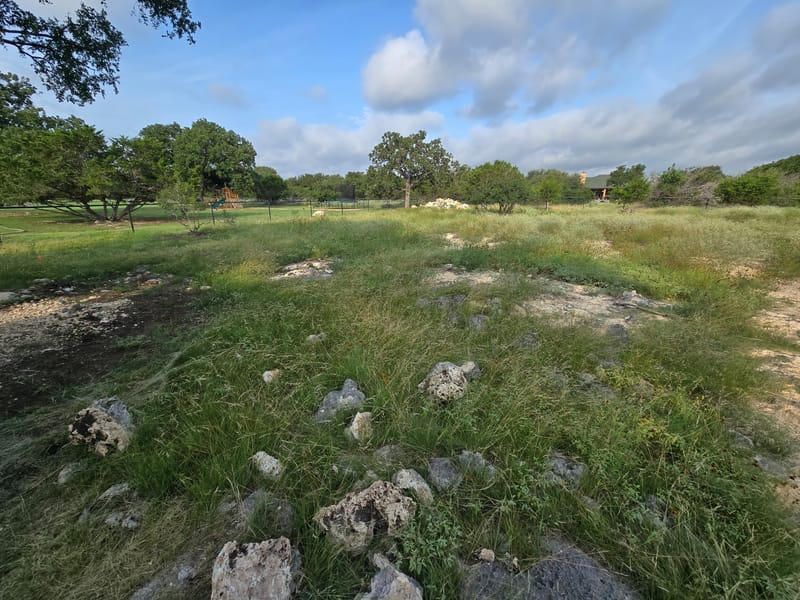
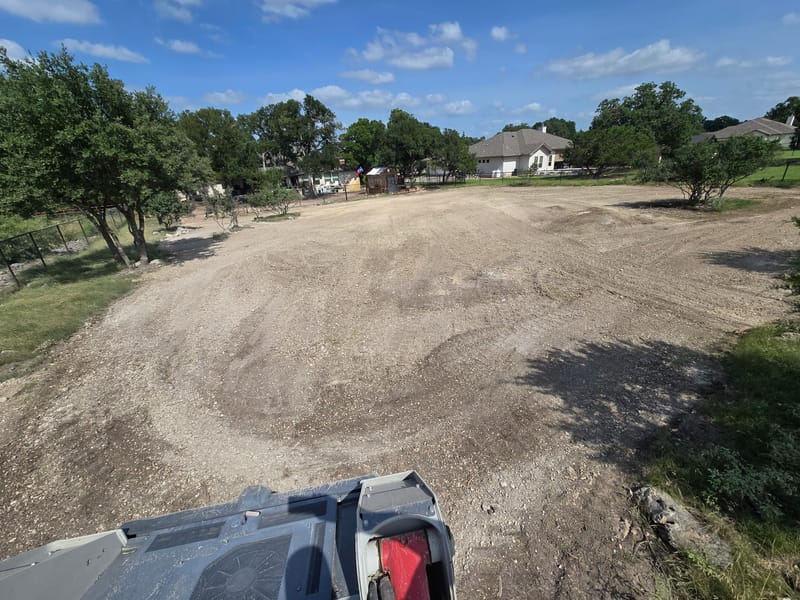
The pasture past the last irrigation ditch has gone to thistle, or the lot you bought in Enoch has three summers of rabbitbrush and weeds on it. Brush hogging in Utah runs $75 to $400 an acre with our crew, set mostly by how long the field has gone uncut, with a $250 to $500 minimum per visit.
At a glance:
- Mowed within the past year: $75 to $150 an acre
- One or two seasons of growth: $125 to $250; three or more years: $200 to $400
- Stems past 2 to 3 inches (tamarisk, Russian olive, juniper, an oak clump): not a mower job; priced in the $1,500 to $2,500 understory band
- Weed duty: under the Utah Noxious Weed Act, listed weeds have to be cut or treated before they bloom and set seed, and a county can do the work on land left standing and collect the cost through taxes
- Fire season: a steel blade striking rock throws sparks, so rock comes off a dry field before a summer mow
Our crews mow fields, pastures and lots across five Utah markets: Tremonton and the Bear River Valley, Tooele and the Oquirrh Valleys, Nephi and Central Utah, Parowan and Iron County, and Santa Clara and Southwest Utah.
How Much Does Brush Hogging Cost Per Acre in Utah?
Brush hogging is a tractor pulling a heavy rotary cutter over grass, weeds and brush, with the cut material left lying on the ground. It is the cheapest way to open a Utah field back up, as long as nothing on it is thicker than the cutter can take.
| Field condition | Our price per acre | What it looks like in Utah |
|---|---|---|
| Mowed within the past year | $75 – $150 | Pasture, a hay field margin or a vacant lot with grass, Canada thistle and field bindweed, nothing woody |
| One or two seasons of growth | $125 – $250 | Musk and Scotch thistle standing dry, puncturevine along the lot edge, rabbitbrush starting in the grass |
| Three or more years overgrown | $200 – $400 | Rabbitbrush and sagebrush stands, oak sprouts and Russian olive seedlings still under 2 inches |
| Saplings past 2 to 3 inches | Not a brush hog job | Tamarisk on a canal bank, a Gambel oak clump, juniper with a trunk you need a saw for |
Every visit carries a $250 to $500 minimum, because the tractor and trailer make the same trip for half an acre as for ten. Where nobody knows what is hiding in the growth, we can quote by the hour instead, at $60 to $150 an hour.
Where these numbers come from. They are the field-condition bands our crews price brush hogging to everywhere in Utah. Once the growth turns woody, the price comes from the market’s own pricing page: around Tremonton that is the Tamarisk & Russian Olive Clearing row, $1,500 to $2,500 an acre, on the Tremonton pricing page. A closed stand ground in place is forestry mulching at $1,500 to $4,000, set out in our Utah forestry mulching cost guide, and thinning brush under trees you are keeping is in the Utah underbrush removal cost guide.
What Changes the Price of a Utah Mowing Job
Rabbitbrush comes back from the root. Rubber rabbitbrush is deep rooted and sprouts vigorously after a mechanical cut. On test plots at the SUU Valley Farm in Cedar Valley, mowing alone controlled 1.7 percent of it one fall and 4.8 percent the next. Treat a pass as a reset that buys a season, not a cure; the herbicide that kills it is a licensed applicator’s work, arranged by you.
Scrub oak sends up a flush the next summer. Gambel oak sits on a large woody root mass, and cutting the top off sets off rapid, thick sprouting. Its range runs through central and southern Utah and ends in the north at Sardine Canyon in Box Elder County. First- and second-year sprouts mow in the middle band; a clump left for years has outgrown the mower.
Sagebrush cuts, but the grass does not follow on its own. Big sagebrush goes down under a cutter set high. On worn ground where annual weeds have taken the understory, mowing by itself does not bring the perennial grass back, and noxious weeds can move into freshly mowed strips. If the goal is grazing, plan the seeding with the mowing.
Rock sets the speed. Bench and foothill lots carry rock that a valley hay field does not. A rotary blade that strikes rock dulls, and in dry summer grass it throws sparks. Rocky ground gets walked first and mowed slower, and that time is what moves an acre up its band.
Timing against the weeds. A field cut before the thistles bloom does its legal job in one pass. The same field cut after seed set has spent the money and left next year’s crop in the soil.
Pro tip: Before a July mow, walk the field with a bucket and pull every rock you can lift. Each one out is a spark that never happens and a blade that keeps its edge, and a clean field mows faster.
Brush Hogging Costs Across Utah
Tremonton and the Bear River Valley. Box Elder County from Tremonton, Garland and Corinne to Brigham City, Cache County from Wellsville to Logan and Richmond, and Plain City at the north end of Weber County. Most work here is pasture, farm-parcel margins and weedy lots in the first two bands. Cache County adds Russian salt tree and crack willow to the state weed list. Tamarisk and Russian olive along ditches and canal banks have outgrown a mower; our Utah tamarisk removal guide covers the cut and the follow-up.
Tooele and the Oquirrh Valleys. Grantsville, Erda, Herriman and Eagle Mountain, on sagebrush ground with juniper moving in. Utah juniper reproduces by seed, so the cheap time to take it is as a seedling, before it outgrows the mower. Trees past the mower go to the Juniper & Russian Olive Clearing row on the Tooele pricing page.
Nephi and Central Utah. Nephi, Mona, Santaquin, Payson, Spanish Fork and Ephraim. Oak sprouts on the benches are the repeat job, best mowed every season or two while still thin. Older clumps price in the Juniper & Oak Brush Clearing row on the Nephi pricing page.
Parowan and Iron County. Parowan, Paragonah, Enoch and Cedar City. Enoch and Cedar City sit in Cedar Valley, where those rabbitbrush plots were mowed, so expect regrowth by the next season. Young pinyon and juniper moving down from the foothills price in their own row on the Parowan pricing page.
Santa Clara and Southwest Utah. Santa Clara, St. George, Hurricane and La Verkin. Open desert lots usually sit in the first two bands; the dense work is on the Santa Clara and Virgin rivers, where tamarisk and giant reed grow. Giant reed is a Class 1B noxious weed in Utah, still found in only a few places and a high priority to eradicate, and no rotary cutter is the answer for it. That work is the Tamarisk & Giant Reed Clearing row on the Santa Clara pricing page.
Weed Notices, Fire Restrictions and Nesting Season in Utah
County weed notices. Under the Utah Noxious Weed Act, every owner has to control listed weeds by cutting, tillage, grazing, spraying or another approved method, as often as needed to keep them from blooming and maturing seed. Land left standing can be treated by the county, with the bill collectible by taxes. In Cache County, the county crew sprays and mows a weedy vacant lot at full labor, equipment and herbicide cost with a $180 minimum; that is a floor for enforcement work, not a mowing quote. Each county’s weed supervisor can reorder the state list’s priorities, so ask yours.
Fire restrictions. The State Forester issues Stage 1 restrictions county by county, and each order sets its own area and list. Utah County’s order, for one, covers the county’s unincorporated land, not private land inside town or city limits, and bans cutting, welding or grinding metal in dry vegetation and running chainsaws, ATVs and other small engines without a working spark arrestor, with up to six months in jail and a $1,000 fine. Mowing is not on that list, but pull rock before a summer mow and keep a shovel and fire extinguisher close. Check your own county’s current order on utahfireinfo.gov.
Nesting season. Most birds in Utah nest from April 1 to July 15, inside a wider season of roughly December to August. Mowing outside that core window is the safe call for ground nesters. If a weed deadline forces a cut inside it, have the field walked for nests no more than a week before.
Burning. Brush hogging leaves the cut material on the field, so there is nothing to pile and no burn permit to get. Utah’s burn windows and permits are in our Utah land clearing cost guide.
Frequently Asked Questions
How much does it cost to brush hog 1 acre in Utah?
Usually $250 to $500, because the minimum per visit covers one acre on its own. The mowing is worth $75 to $400 depending on the field, but hauling the tractor costs the same either way. Two neighbours on one trip, say two lots in Plain City, split that cost.
Can a brush hog handle sagebrush and rabbitbrush?
Yes, in stands where the woody stems stay under 2 to 3 inches. Rabbitbrush sprouts back from the root, so plan on cutting it again. Old sagebrush with heavy trunk wood moves to the understory band.
Do I have to mow the weeds on my land in Utah?
If they are listed noxious weeds, yes: county notices require control before they bloom and set seed, and a county can do the work on neglected land and collect the cost through taxes. Thistles, field bindweed, hoary cress and puncturevine are all on the state list. Mowing is one accepted method, but repeated cutting may be needed.
Is it safe to brush hog during Utah’s fire season?
It can be, with care. Utah County’s Stage 1 order does not list mowing, though your county’s own order is the one to check, and a blade that strikes rock in dry grass throws sparks. Pull rock first and keep a shovel and fire extinguisher on hand while the tractor runs.
Will scrub oak come back after it’s mowed?
Yes. Gambel oak resprouts from its root mass, so one pass knocks it down and a follow-up cut every season or two keeps it down while the stems are still thin.
Get a Brush Hogging Quote in Utah
Request a free quote and our crew will contact you to discuss the field, the access and the cutting it needs, whether that is a weedy lot in Logan, a rabbitbrush pasture near Cedar City or an oak bench above Payson. Pick the nearest area below, and check that market’s pricing page if the growth has turned woody.
Sources
- Cache County, General Notice to Control Noxious Weeds
- Utah Division of Forestry, Fire and State Lands, Utah County Stage 1 fire restriction order
More from the Cut Brush Blog
Keep reading for more tips and guides on land clearing.
 Cost Guide
Forestry Mulching Cost in Tremonton, UT (2026)
Forestry mulching around Tremonton, UT runs $1,500 to $4,000 an acre. Why it is priced by the acre, not the yard, and what ditch-bank work costs here.
 Guide
Tamarisk (Saltcedar) Removal in Utah: A Plan That Lasts
Why tamarisk takes over Utah ditches and river bottoms, why cutting alone never kills it, and the cut, stump treatment and follow-up plan that keeps banks open.
Cost Guide Forestry Mulching Cost in Utah (2026 Guide)
Forestry mulching in Utah runs $1,500 to $4,000 an acre. See how Gambel oak regrowth, juniper size, slope and the June to October fire season move a price.
Comparing states? See land clearing costs by state.
Let's Get Started on Your Land
Request a free quote. We'll contact you to discuss your property, access, and the clearing you need.
Get a Free QuoteOr call us directly: (919) 525-3950
 Quick answers from Cut Brush