
Underbrush Removal Cost in Utah (2026 Guide)
Cut Brush Team · November 9, 2026 · 9 min read
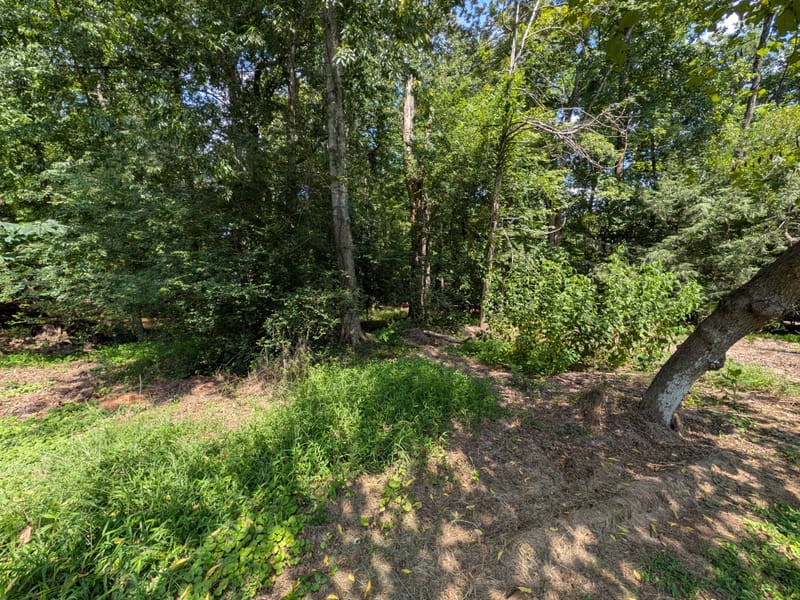
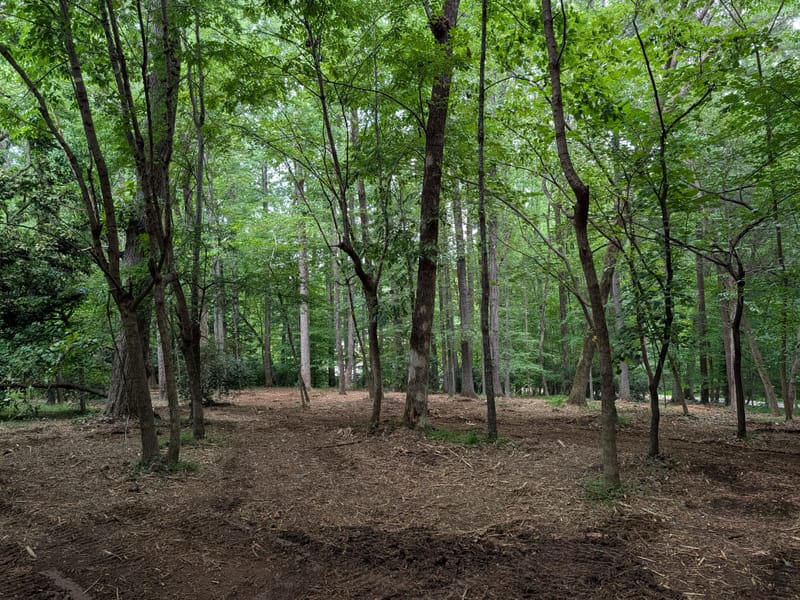
The scrub oak has filled every gap between the junipers on the slope behind the house, and the state’s wildfire risk map has your street inside its high-risk line. Our crew clears underbrush in Utah for $1,500 to $2,500 an acre: the oak brush, young juniper, sagebrush or ditch-bank thicket comes out, and the trees you want stay standing. A job smaller than an acre is billed our $1,500 minimum, with no fee added on top.
At a glance:
- Brush cleared under trees you keep: $1,500 to $2,500 an acre in all five Utah markets
- A return cut on Gambel oak sprouts: its own quote line, same band
- A stand ground down with nothing kept: forestry mulching, $1,500 to $4,000 an acre
- The state wildfire law: a yearly fee on structures inside the high-risk boundary, lowered when you finish your lot assessment’s work
- Closed fire season, June 1 to October 31: no non-agricultural burning; mulched brush needs no burn permit
Our crews work Utah from five markets: Tooele and the Oquirrh Valleys, Tremonton and the Bear River Valley, Nephi and Central Utah, Santa Clara and Southwest Utah, and Parowan and Iron County. Each names the work for the brush that grows there.
How Much Does Underbrush Removal Cost in Utah?
Underbrush removal is grinding the brush and small trees between the trees you keep, leaving the chips on the ground. In Utah that is usually Gambel oak clumps under juniper or pinyon, young juniper coming up through sagebrush, or Russian olive and tamarisk crowding a ditch.
| What is under your trees | Our price per acre | Where in Utah it grows |
|---|---|---|
| Gambel oak brush cut back under juniper, pinyon or big oak stems you keep | $1,500 – $2,500 | The Nephi east bench and the Mona Benches |
| Young juniper and sagebrush cut out of a lot edge or pasture, older trees left | $1,500 – $2,500 | Grantsville and Erda lot lines, Paragonah and Enoch ranch ground |
| Russian olive or tamarisk taken off a ditch or canal bank | $1,500 – $2,500 per acre equivalent | Tooele Valley ditches, Bear River bottoms near Tremonton and Corinne |
| Tamarisk and giant reed cleared from a wash or river bank | $1,500 – $2,500 per acre equivalent | The Santa Clara and Virgin rivers and the washes that feed them |
| Return cut on oak sprouts after the first pass | $1,500 – $2,500, quoted as its own line | Anywhere oak was cleared |
| A closed oak or juniper stand ground down, nothing kept | $1,500 – $4,000 (forestry mulching) | Bench lots grown solid |
Where these numbers come from. They are the understory row on our five Utah pricing pages, the same $1,500 to $2,500 an acre under a local name: Juniper & Russian Olive Clearing on the Tooele pricing page, Tamarisk & Russian Olive Clearing in Tremonton, Juniper & Oak Brush Clearing on the Nephi pricing page, Tamarisk & Giant Reed Clearing in Santa Clara, and Young Pinyon & Juniper Clearing in Parowan. $1,500 is the minimum charge for a project, because the mulcher comes on a trailer whether it works two hours or eight.
Per Acre, Per Job or Per Square Foot: Which Utah Price Fits?
A square-foot price belongs to a hand crew bagging brush from a yard bed. An acre is 43,560 square feet, so even fifty cents a square foot passes $20,000 an acre; it was never meant for a hillside of oak.
A brush hog price fits grass and light brush in the open. Our Utah brush hogging guide runs $75 to $400 an acre, and the mower stops being the right tool once saplings pass 2 to 3 inches, which the trunks in a mature oak clump passed long ago. Above our understory band sit mulching a whole closed stand, in our Utah forestry mulching cost guide, and clearing a parcel for building, up to $4,500 an acre.
What Changes the Price of Underbrush Work in Utah
An oak thicket is fewer plants than it looks. Gambel oak rarely starts from acorns. It spreads by underground stems, lignotubers and rhizomes, into dense, continuous brush, so the clumps across a slope are joined below ground. Stems per clump and their thickness, not the acreage, set the hours.
The oak stems you keep. On a bench lot you may want the tallest oak trunks kept as trees, with the sprouts around them cleared; a single-stem oak in a yard reaches 20 to 30 feet. Every keeper is a trunk the mulching head works around rather than through, so flag them before anyone prices the job.
Pro tip: If your home sits inside the state’s high-risk boundary, get the lot assessment done before you book the clearing. It lists the work that lowers your score, so you pay to clear the brush that counts toward your fee, and you can hand that list to our crew.
Slope and loose soil. Bench ground east of Nephi is steep in places, and soils around Salt Creek Canyon erode easily. A workable slope prices above the same brush on the flat; ground too steep or loose for the machine is left out or handled another way, and the quote says which.
Ditch banks are measured by length. A bank 20 feet wide and about 2,200 feet long is roughly an acre, so a short run of Russian olive along a Tooele Valley ditch usually bills the $1,500 minimum. Russian olive carries thorns at its twig tips and sprouts from the root crown; the stump treatment after our cut is your licensed applicator’s work. Add a neighbour’s stretch to the same visit.
Underbrush Costs Across Utah
Tooele and the Oquirrh Valleys. Grantsville, Erda, Stansbury Park and Stockton, east to Herriman and Eagle Mountain. Young juniper and sagebrush fill lot edges, Russian olive the ditch banks, and a bench lot climbing toward the Oquirrhs prices above flat valley acreage. See the Tooele land clearing page.
Tremonton and the Bear River Valley. Tremonton, Garland and Corinne to Brigham City and the Cache Valley towns. Here the brush is tamarisk and Russian olive on irrigation ditches, canal banks and Bear River bottoms, priced by the acreage the strip adds up to; the Tremonton pricing page shows the same band.
Nephi and Central Utah. Nephi, Mona and Santaquin into the north end of Sanpete County. This is the state’s oak story: pinyon-juniper over a dense Gambel oak understory on the east bench. Juniper reproduces by seed; the oak sprouts back from below ground, so the return cut is a separate line you can take or leave. Our Nephi forestry mulching cost guide works through both.
Santa Clara and Southwest Utah. St. George, Santa Clara, Hurricane and La Verkin. This is desert shrubland, not oak country, and the dense understory grows beside water: tamarisk and giant reed on the river banks and in the washes. Start with land clearing in Santa Clara.
Parowan and Iron County. Parowan, Paragonah, Enoch and Cedar City. Pinyon and juniper are moving down into sagebrush, and taking them while they are knee-high keeps the work in the understory band instead of the mulching band. See land clearing in Parowan.
Utah’s Wildfire Law, Fire Season and Your Brush
What the wildfire law (HB 48) does. Cities and counties adopt and enforce the Utah Wildland Urban Interface Code, the building and landscaping standards for homes near wildland. The state draws a high-risk boundary, viewable at wildfirerisk.utah.gov, and every structure inside it carries a yearly fee the county collects: flat at first, set by square footage, $20 to $100 a structure in Salt Lake County. After the first two years a lot assessment sets it too, scoring the vegetation in the defensible space and how the home is built, and that score is shared with insurers. Finishing the work the assessment lists brings the fee down.
What it does not do. The assessment is not legally required, but skipping it puts the property at the highest fee. The law has no grant program: the homeowner pays for clearing and home hardening, and the fee pays for running the program, mostly the assessments. When the code’s vegetation rules apply to your lot is your city’s or county’s call; Salt Lake City set the code to apply when an owner seeks a building permit for a new home, a major addition or a roof replacement, and its vegetation rules can be enforced once adopted.
Against a fee measured in tens of dollars, an acre at $1,500 to $2,500 is not about the fee. The case for it is the house: scrub oak is fire-prone and should be thinned around buildings. Ask your fire district, county and the state forestry division whether grant money or chipping help is open to you before you book.
Burning the brush. From June 1 to October 31, non-agricultural burning is not allowed in Utah, and the rest of the year the windows are short; our Utah land clearing cost guide sets out the permits. Mulching skips the question: the brush is ground where it stands, with no pile, no permit and no burn day.
Frequently Asked Questions
Will the scrub oak come back after you clear it?
Yes. Gambel oak sprouts again from its underground stems, and its roots sit 15 to 20 inches down, below where a mulching head works. Keeping it down means cutting or mowing the new sprouts every year, with a contact herbicide sometimes needed; that treatment is a licensed applicator’s work, arranged by you. We price the return cut as its own line from the start.
Does the Utah wildfire law make me clear my property?
It can, through your city or county, which enforces the code’s defensible space rules; ask their building or fire office how they apply them to a lot like yours. The state’s own lever is the fee: it drops when you finish the work your lot assessment lists.
Can you clear brush without removing the trees?
Yes, that is the job. The operator works around each juniper, pinyon or oak trunk you flag and grinds the brush between them.
How much does it cost to clear brush around just my house?
Usually the $1,500 minimum, because the zone around one home is often less than an acre. Two neighbours on the same bench booking one visit get more from the trip.
What is the best time of year for underbrush removal in Utah?
For oak, late fall or early spring: those are the best months to cut it, and with the leaves off the operator sees every trunk you are keeping. Non-agricultural burning is closed from June 1 to October 31, one more reason to mulch in place.
Get an Underbrush Removal Quote in Utah
Request a free quote and our crew will contact you to discuss the property, the access and the brush under your trees. Pick the nearest Utah area below: a bench lot near Nephi, a ditch near Tremonton or a lot line near Tooele.
Sources
- Utah Division of Forestry, Fire and State Lands, wildfire risk fee and lot assessment questions
- Utah State University Extension, Gambel oak in the landscape
More from the Cut Brush Blog
Keep reading for more tips and guides on land clearing.
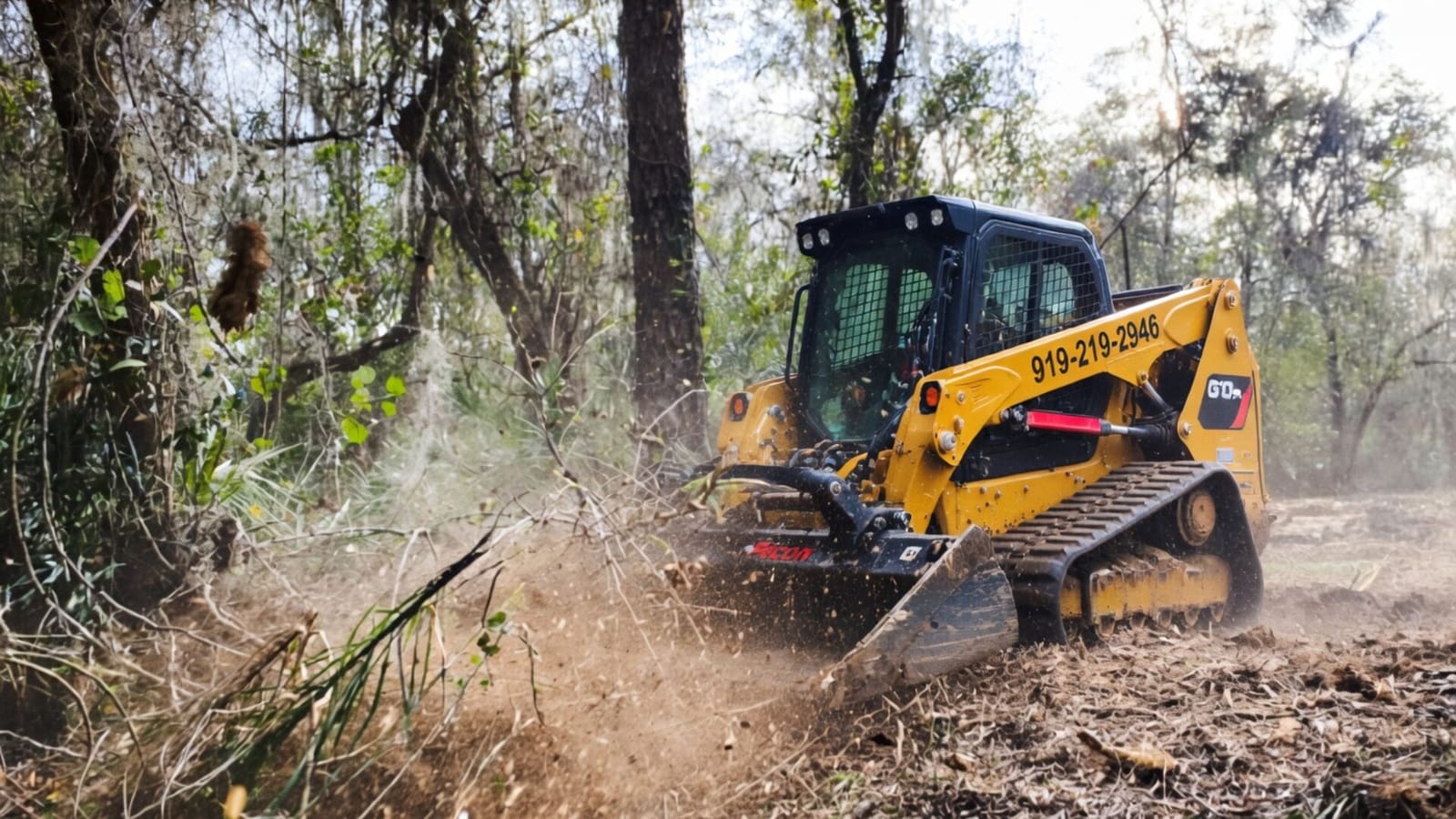 Cost Guide
Land Clearing Cost Per Acre in Utah (2026 Guide)
Land clearing in Utah runs $1,500 to $4,500 an acre with our crew. How Gambel oak, juniper, rock and the state's burn rules move the price on your land.
 Cost Guide
Forestry Mulching Cost in Tooele, UT (2026)
Forestry mulching around Tooele, UT runs $1,500 to $4,000 per acre. How juniper size, the trees you keep, sagebrush, rock and slope move a Tooele quote.
Cost Guide Forestry Mulching Cost in Utah (2026 Guide)
Forestry mulching in Utah runs $1,500 to $4,000 an acre. See how Gambel oak regrowth, juniper size, slope and the June to October fire season move a price.
Comparing states? See land clearing costs by state.
Let's Get Started on Your Land
Request a free quote. We'll contact you to discuss your property, access, and the clearing you need.
Get a Free QuoteOr call us directly: (919) 525-3950
 Quick answers from Cut Brush