
Reclaiming Overgrown Pasture in North Texas
Cut Brush Team · September 3, 2026 · 5 min read

Pasture does not go from grass to brush overnight. It goes edge first. A fence line thickens, mesquite spreads out from a corner, greenbriar climbs the wire, and one summer you realise the usable acreage is noticeably smaller than the deeded acreage.
Bringing it back is straightforward work, but the plan matters more than the machine. Here is how we approach it around Fort Worth and the counties west and south.
Why It Filled In
The Cross Timbers was historically savannah: native bunch grasses and forbs with scattered clumps of trees, mostly post oaks. Two forces maintained that structure, frequent fire and grazing by bison, per Texas Parks and Wildlife’s Post Oak Savannah guidance.
Take away regular fire, change the grazing pattern, and the woody component fills in. That is not neglect on any individual owner’s part. It is what this landscape does when the historical pressures are removed. Which also means reclamation here is usually about restoring a structure rather than fighting nature.
Step One: Decide What the Pasture Is For
The answer changes the job.
- Cattle grazing. Grass is the product. Open ground matters more than aesthetics, and scattered shade is a benefit rather than a compromise.
- Horses. Cleaner finish, fewer hazards, better fence lines. Owners typically want more thorough understory removal and are stricter about mesquite thorns.
- Hay. Needs the most complete removal, because equipment has to run across it.
- Wildlife and recreation. Deliberate patchiness is the goal. Clearing everything is the wrong move.
- Sale or subdivision. Presentation and access. Land a buyer can walk sells differently from land they cannot.
Tell whoever quotes the job which of these it is, because the same acre finishes four different ways.
Step Two: Be Honest About Mesquite
This is where pasture reclamation projects succeed or disappoint.
Mesquite carries a bud zone on its root crown. Texas A&M AgriLife guidance is that removing the crown below that zone makes resprouting much less likely, while leaving any part of it invites regrowth. A mulching pass takes material at and slightly below grade, so on established mesquite it opens the ground without removing the plant’s ability to return.
Two legitimate approaches follow:
- Mulch now, maintain on a cycle. Cheapest entry, usable pasture immediately, plan on a maintenance pass every few years.
- Grub or root plow. Grubbing removes the entire root crown and works best on small to medium trees; a root plow severs roots below the bud zone and can control up to 90% of target plants when depth and timing are right. More expensive, far more durable.
Prickly pear and other sprouting species behave similarly, which is why chemical follow-up features heavily in Texas rangeland programs. Our mesquite guide goes deeper.
Step Three: Keep the Right Trees
Clearing a pasture does not mean clearing every tree, and on sandy Cross Timbers ground it should not.
Mature post oaks are slow-growing and worth keeping. Scattered canopy gives livestock shade, which on leached sandy soil in a Texas August is worth real money in animal performance. And bare ground erodes.
The structure to aim for is the one the landscape had originally: open grass with tree clumps. It also happens to be what most owners describe when you ask them to picture the finished pasture.
If oaks need any actual cutting, mind the calendar: Texas A&M Forest Service advises against pruning or wounding oaks February through June and recommends painting wounds immediately in any month. See our oak wilt guide.
Step Four: Time It to the Ground
Mechanical brush control depends on proper soil moisture conditions. Grubbing, bulldozing, root plowing, and chaining have all proven successful under the right moisture and give worse results outside it.
Cross Timbers uplands are sandy and drain quickly; bottomlands are clay and hold water. On a tract with both, the bottoms often want a different window from the uplands. Flexibility in scheduling buys a better result for the same budget.
Step Five: Plan the Debris Before You Start
Burning a pile in unincorporated Tarrant County means calling Regional Communications at 817-232-9800 on the day to register the address and confirm an allowable burn day, then observing timing and a 300-foot setback from neighbouring structures. During a burn ban, and the county has issued 90-day bans citing drought and wildfire risk, it is not an option at all, with fines up to $500.
Mulching in place avoids it entirely and puts organic matter back into leached sandy soil. Our burn ban guide covers the details.
What It Costs
| Work | Per-acre range |
|---|---|
| Mesquite and brush clearing on pasture | $1,500 – $2,500 |
| Forestry mulching, heavier stands | $1,500 – $4,000 |
| Whole-tract clearing to a clean finish | $1,500 – $4,500 |
Full detail on the Fort Worth pricing guide. Budget the way ranchers do: a larger number once, then a smaller number on a cycle. An owner who reclaims a pasture and then ignores it for fifteen years pays the full price twice.
Funding Worth Knowing About
NRCS funds brush management as conservation practice code 314 through EQIP, with payment rates varying by brush density and method. If you run livestock or manage rangeland, talk to your local NRCS office before paying for the whole thing yourself.
Getting Started
If you have pasture disappearing into brush anywhere around Fort Worth, Weatherford, Decatur, Cleburne, or Granbury, we will walk it with you, tell you what will come back and roughly when, and put a written number on it. Our forestry mulching and land clearing pages cover the methods, and the walk-through is free.
Related Services
Learn more about the services mentioned in this article.


More from the Cut Brush Blog
Keep reading for more tips and guides on land clearing.
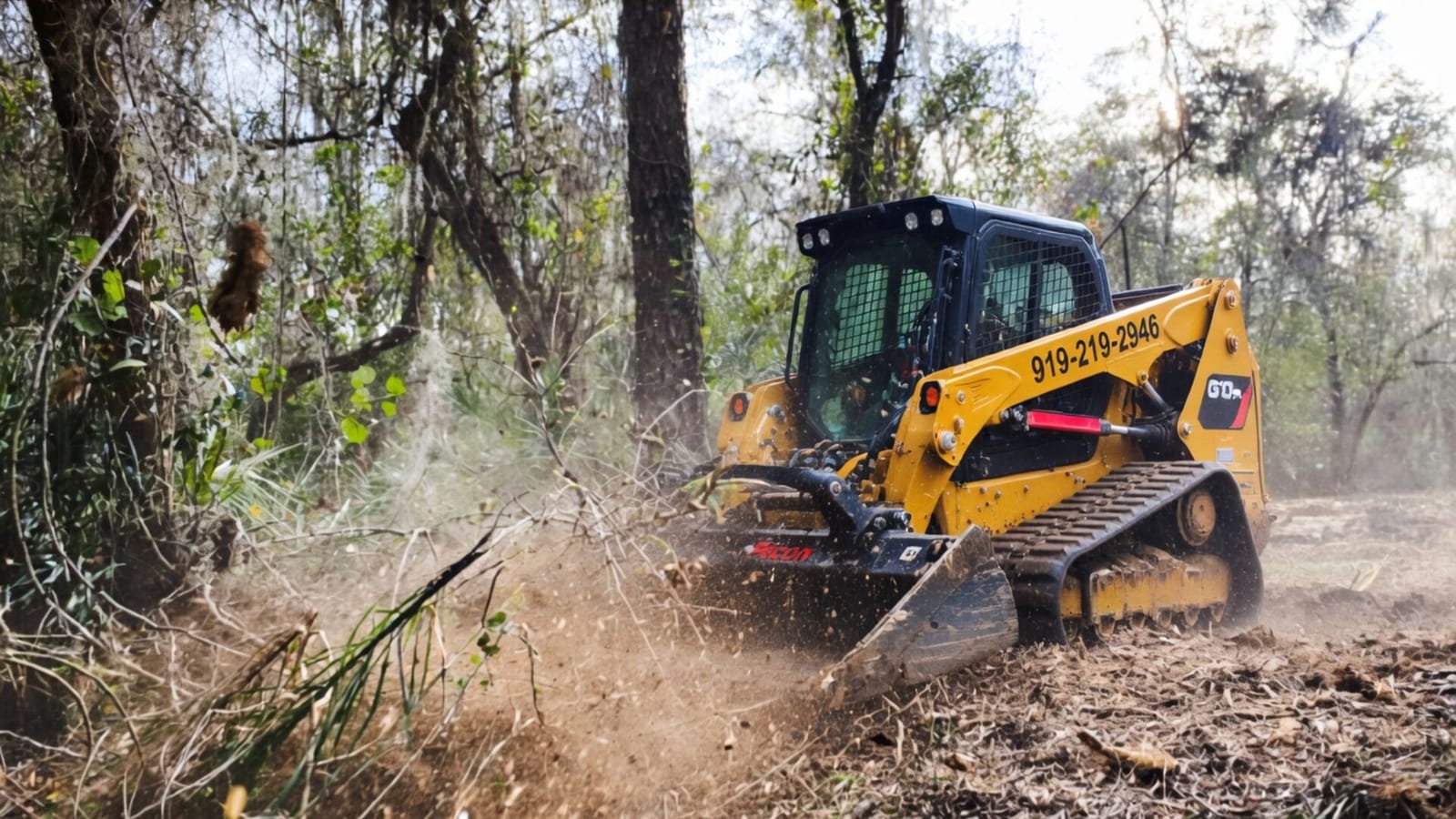 Services
 Mesquite Removal in North Texas: Why It Keeps Coming Back
Mesquite regrows from a bud zone on its root crown. What that means for mulching versus grubbing, what removal costs, and how to plan a pasture that stays clear.
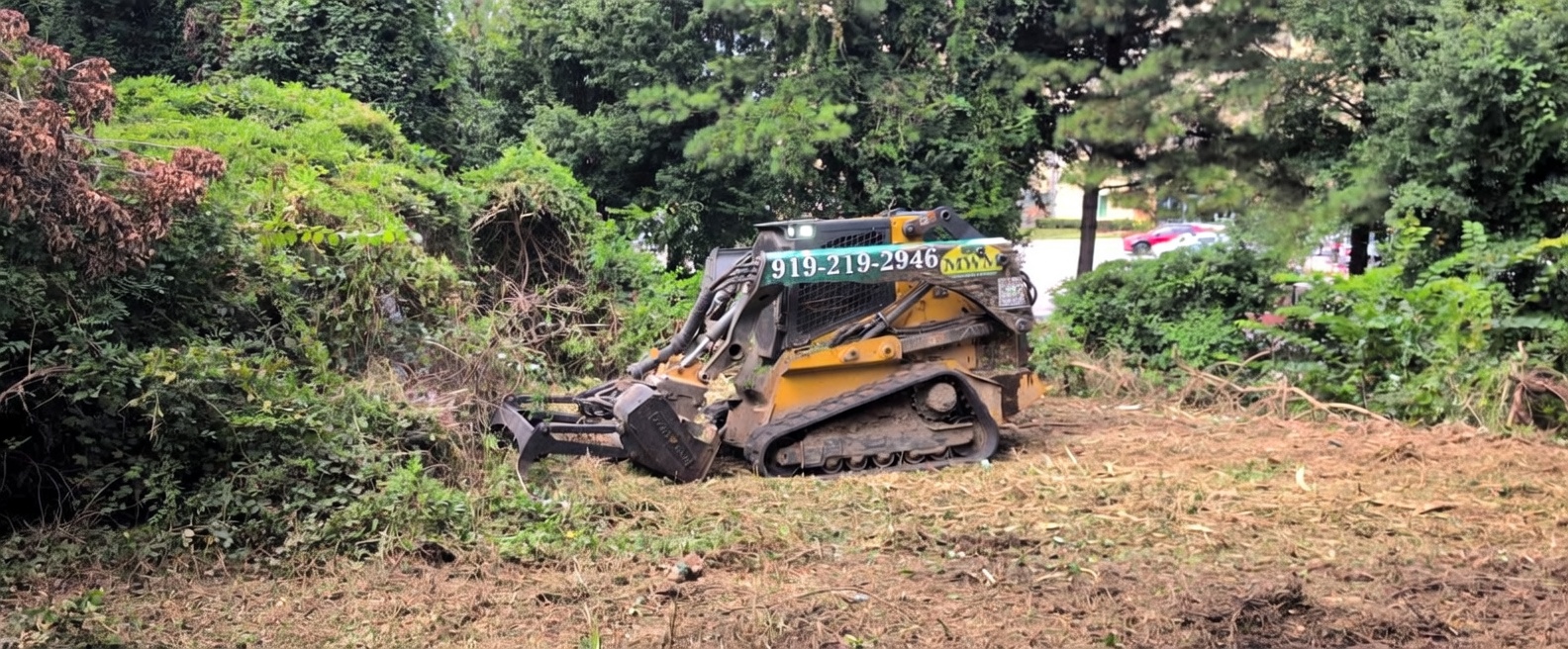 Cost Guide
 Brush Hogging Cost Per Acre in Texas (2026)
Brush hogging in Texas averages about $47 an acre in AgriLife's 2026 survey. See regional rates, why small tracts cost more, and when shredding is not enough.
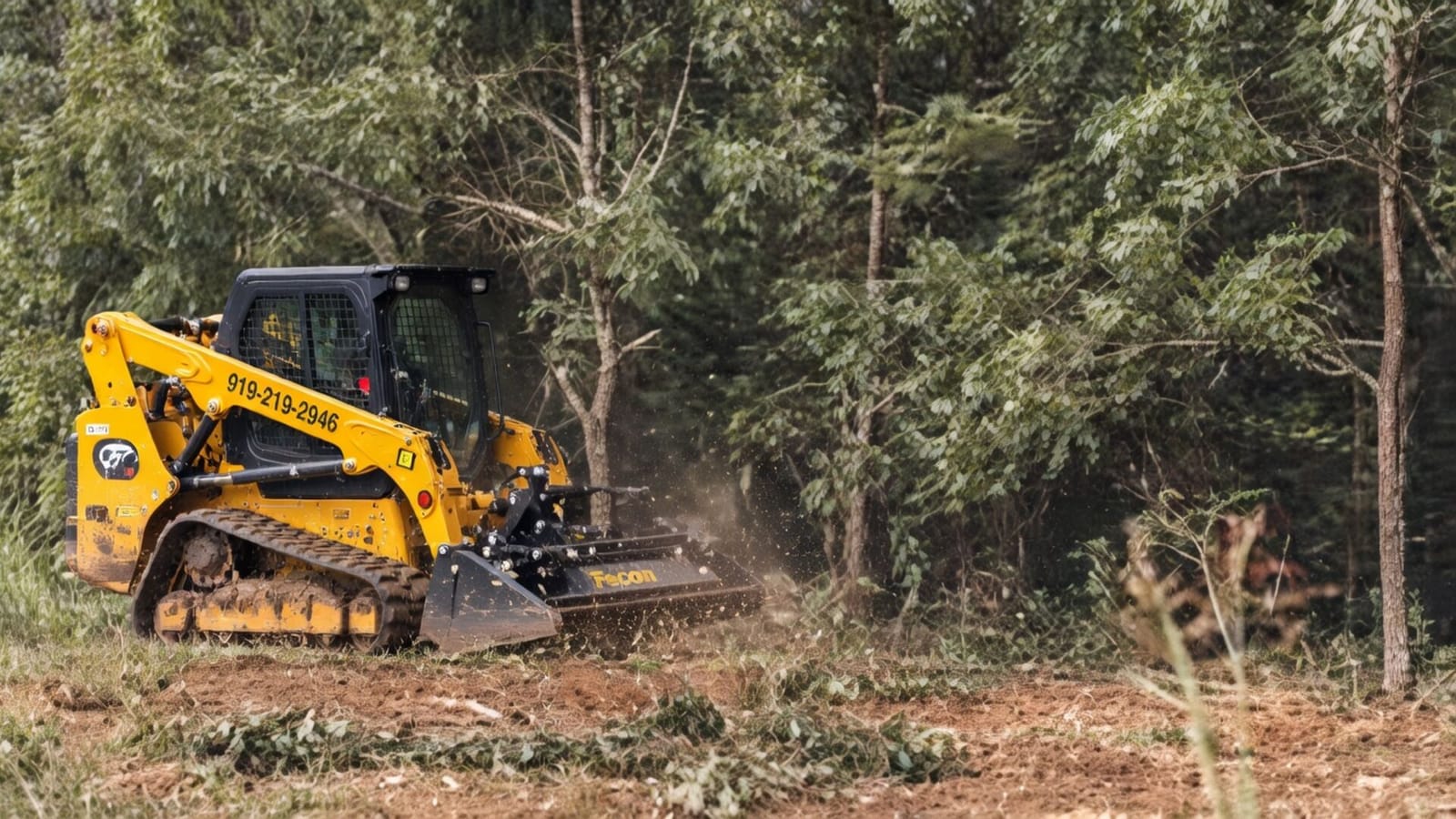 Cost Guide
 Forestry Mulching Cost in Texas (2026 Per-Acre Guide)
Forestry mulching in Texas runs $1,500 to $4,000 an acre. See why cedar and rock, Blackland clay, yaupon and burn rules move a quote in each part of the state.
Let's Get Started on Your Land
Request a free quote. We'll contact you to discuss your property, access, and the clearing you need.
Get a Free QuoteOr call us directly: (919) 525-3950