What to Know Before Clearing Land Around Caldwell
Three kinds of soil meet in Burleson County. The uplands are sandy loam over
clayey subsoil, a strip of dark blackland clay runs up the middle on the San Antonio
Prairie, and the Brazos bottoms are reddish alluvial loam. Clay and bottomland hold water
longer than the sandy ridges, so we plan the order of the work around the weather and move
to drier ground first. Yegua Creek forms the county line on the south and west. Ground in
a mapped floodplain requires county approval of floodplain development before anything
is built, handled in Suite 303 of the Burleson County Courthouse.
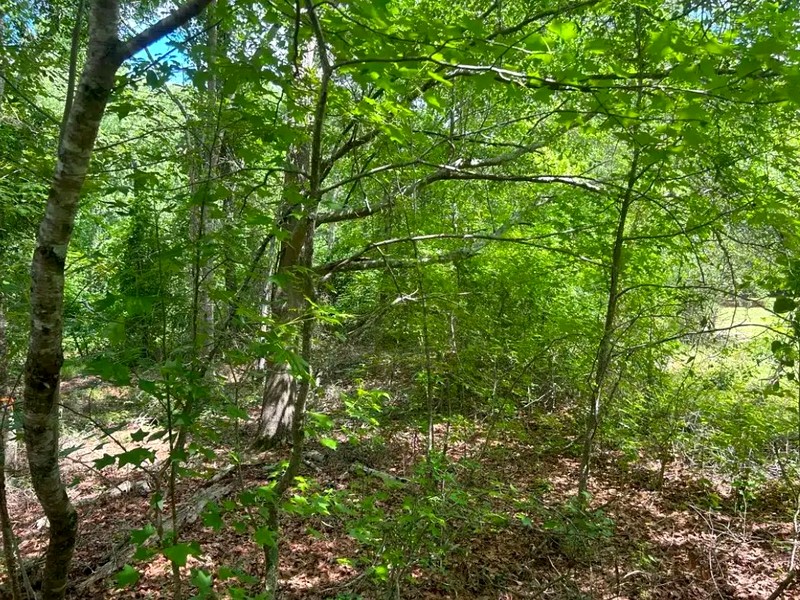
The woods here usually have yaupon underneath. After farmers and ranchers
cleared and plowed this country and fire stopped moving through it, small trees came in
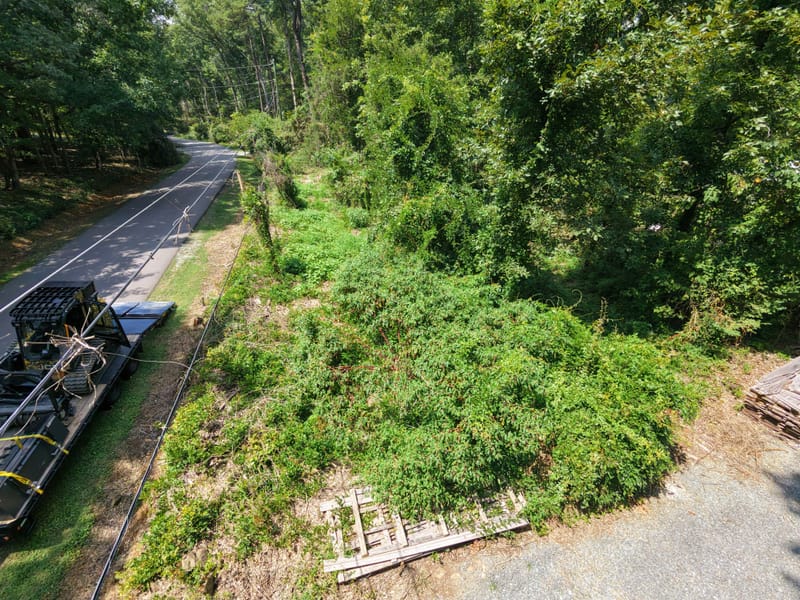
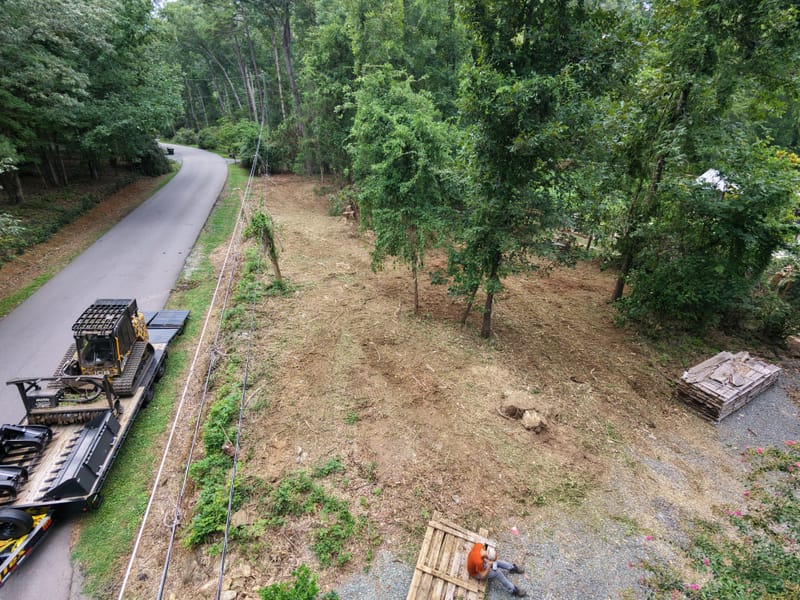
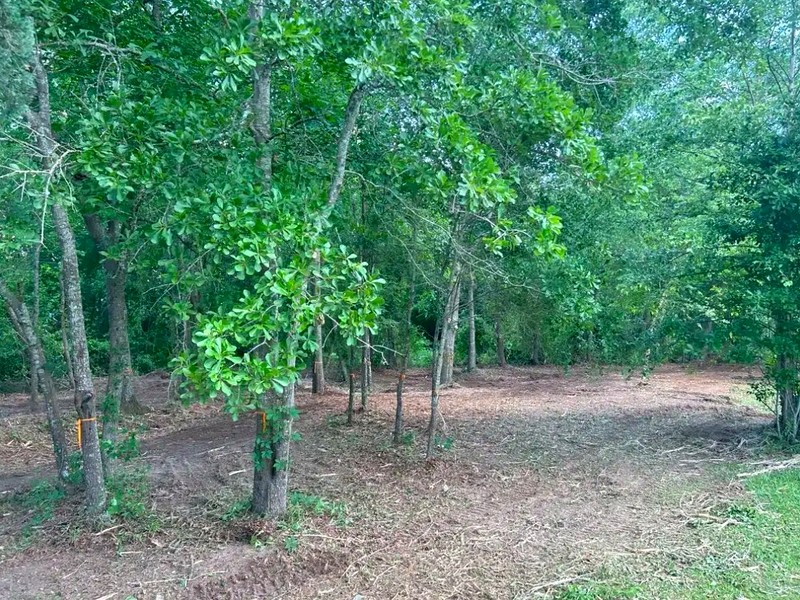
thick over a dense understory of yaupon. A mulching pass opens that ground in one visit, but
the shrub grows back, so a plan for new shoots belongs in the quote. The
yaupon removal guide
covers the plant across the Post Oak Savannah and into East Texas, and shows what a multi-visit
plan looks like.
Paperwork and burning. Texas requires a stormwater permit once construction
disturbs one acre of soil or more, or less inside a larger plan. For a lot inside the city,
City of Caldwell staff at 114 S. Echols Street, (979) 567-3271, answer what is needed.
Burleson County also issues a permit for every new, changed or repaired septic system, which
matters when a homesite is being opened. Before any digging below grade, Texas wants
811 called two days in advance. Burning clearing debris has to be done in daylight and in moderate
wind, and Burleson County can order a countywide burn ban in dry weather, so check whether one
is in force first. Requirements vary by parcel, scope and jurisdiction, and the governing
authority makes the determination.