
Forestry Mulching Cost in Fort Worth (2026 Pricing)
Cut Brush Team · September 3, 2026 · 5 min read
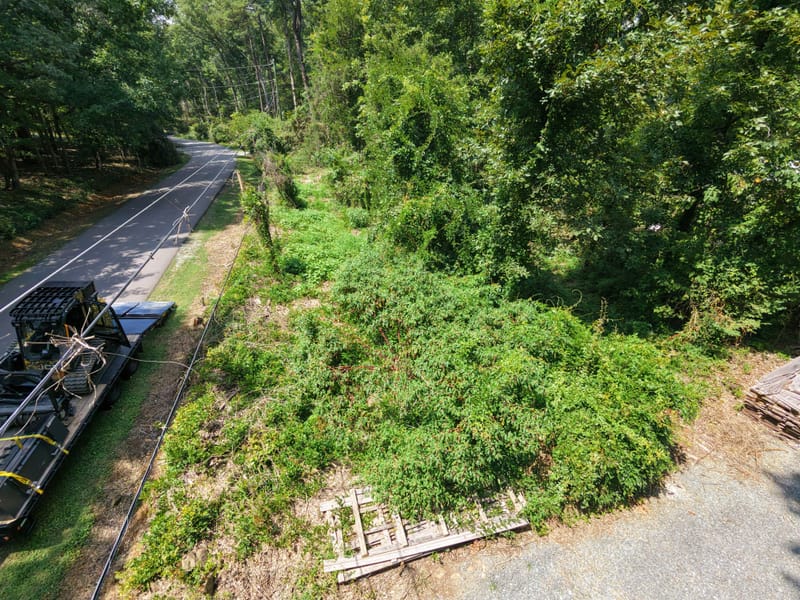
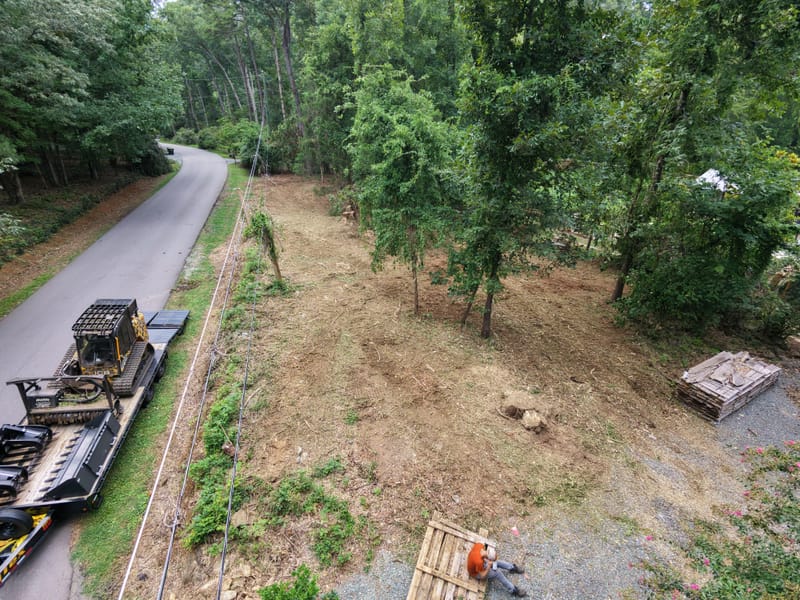
Forestry mulching is billed for time on the ground, not area covered. That is why two identical-looking five-acre tracts around Fort Worth can come back thousands of dollars apart, and why a number quoted over the phone is usually wrong.
Around Fort Worth, forestry mulching runs $1,500 to $4,000 per acre, with lighter brush-and-regrowth passes often landing between $1,500 and $2,500. Here is what decides where a specific tract falls, and the one situation where mulching is the wrong purchase.
What Drives the Hours
Stem size, not stem count
A drum works through small stems and regrowth quickly and slows sharply as trunk diameter climbs. An acre with two hundred small stems is often cheaper than an acre with forty large ones. Anyone pricing your tract properly is looking at diameters, not estimating canopy from the gate.
Upland sand or bottomland clay
Cross Timbers ground is mainly red and yellow sands on the uplands with clay and clay loam in the bottoms. Sand is quick and drains. Clay bottoms hold water and slow a tracked machine considerably. A tract that spans both prices as two different jobs, which is one more reason the walk-through matters.
Species mix
Understory, regrowth, and greenbriar are the fast part. Established mesquite is slower, and post oak and blackjack oak are usually staying rather than coming out. What is actually growing changes the hours more than the acre count does.
How selective you want it
Clearing wall to wall is the fastest thing a mulcher does. Working around post oaks, keeping a motte here and a shade tree there, opening a fence line without touching the canopy above it: all slower per acre, and all usually worth it. Selective work is most of what we do here and it should be priced as what it is.
Access
Cattle guards, narrow gates, long ranch drives, and low limbs over the approach burn hours before any clearing starts. It is the variable owners most often forget to mention.
The One Time Mulching Is the Wrong Tool
If your problem is established mesquite and you want it gone, mulching is not the purchase you are looking for.
Mesquite carries a bud zone on its root crown. Texas A&M AgriLife guidance is that removing the crown below that zone makes resprouting much less likely, and leaving any part of it invites regrowth. A mulching head processes material at and slightly below grade; it does not remove a root crown. Grubbing does, and root plowing severs roots below the bud zone with reported control of up to 90% of target plants when depth and timing are right.
So on a mesquite pasture, mulching buys you open ground now and a return visit in a few years. That is a perfectly reasonable thing to buy, as long as you know that is what you are buying. Our mesquite guide covers the difference properly.
Where mulching is straightforwardly the right answer: understory, regrowth, greenbriar, brush along fence lines, opening a tract you cannot currently walk, and any job where you want the material to stay on site.
Mulching Against the Alternatives
| Method | Cost driver | What you are left with |
|---|---|---|
| Forestry mulching | Machine hours | Ground cover on site, nothing to dispose of |
| Cut and pile, then burn | Cutting plus a legal burn day | A pile, plus a registration call and ban risk |
| Cut, load, and haul | Cutting plus trucking plus dump fees | Bare ground, highest total cost |
| Grub or root plow | Machine hours plus soil moisture timing | Root crowns removed, most durable on mesquite |
The burning column carries more weight in Tarrant County than people expect. The county has issued 90-day outdoor burn bans for unincorporated areas citing drought and wildfire risk, with fines up to $500 for violations. And even with no ban in effect, burning out there means calling Regional Communications at 817-232-9800 on the day to register the address and confirm an allowable burn day, then observing the one-hour-after-sunrise start, one-hour-before-sunset finish, and a 300-foot setback from structures on adjacent properties. Our burn ban guide has the full picture.
Why the Mat Is Worth Having Here
Cross Timbers uplands sit on sandy soils that have been leached of nutrients. Leaving processed material on the ground puts organic matter back into soil that is short of it, and holds the surface in the meantime. On sandy ground with a storm coming, that is a real benefit rather than a convenience.
Depth depends on how much material came off. A light pass leaves a thin scattering; a heavy stand leaves a substantial mat. On pasture reclamation we aim thin enough for grass to come through, and on erosion-prone ground we deliberately leave more.
What Mulching Does Not Include
Stumps and grade. The drum works at and slightly below grade. It is not stump grinding and it is not dirt work. A build pad cut to grade needs clearing plus grading, not mulching alone.
Permanent removal of sprouting species. Covered above. Mesquite and other sprouters come back from the root crown.
A permit. Inside Fort Worth city limits the urban forestry ordinance still applies, including the 18-inch threshold for post oak and blackjack oak east of I-35W and the 25% canopy preservation requirement on development. Out in the unincorporated county the tree rules do not apply, but platting, floodplain, and the one-acre stormwater trigger can. Our permits guide sorts out which is which.
Getting a Real Number
Ranges are for budgeting. The number you pay comes from someone standing on your tract looking at stems, ground, access, and what the land has to do next.
The Fort Worth pricing guide has every range side by side, the Texas cost per acre guide covers the statewide picture, and if your property is anywhere around Fort Worth, Weatherford, Decatur, Burleson, Granbury, or Cleburne, the walk-through is free and the written quote usually follows within a day.
Related Services
Learn more about the services mentioned in this article.


More from the Cut Brush Blog
Keep reading for more tips and guides on land clearing.
 Cost Guide
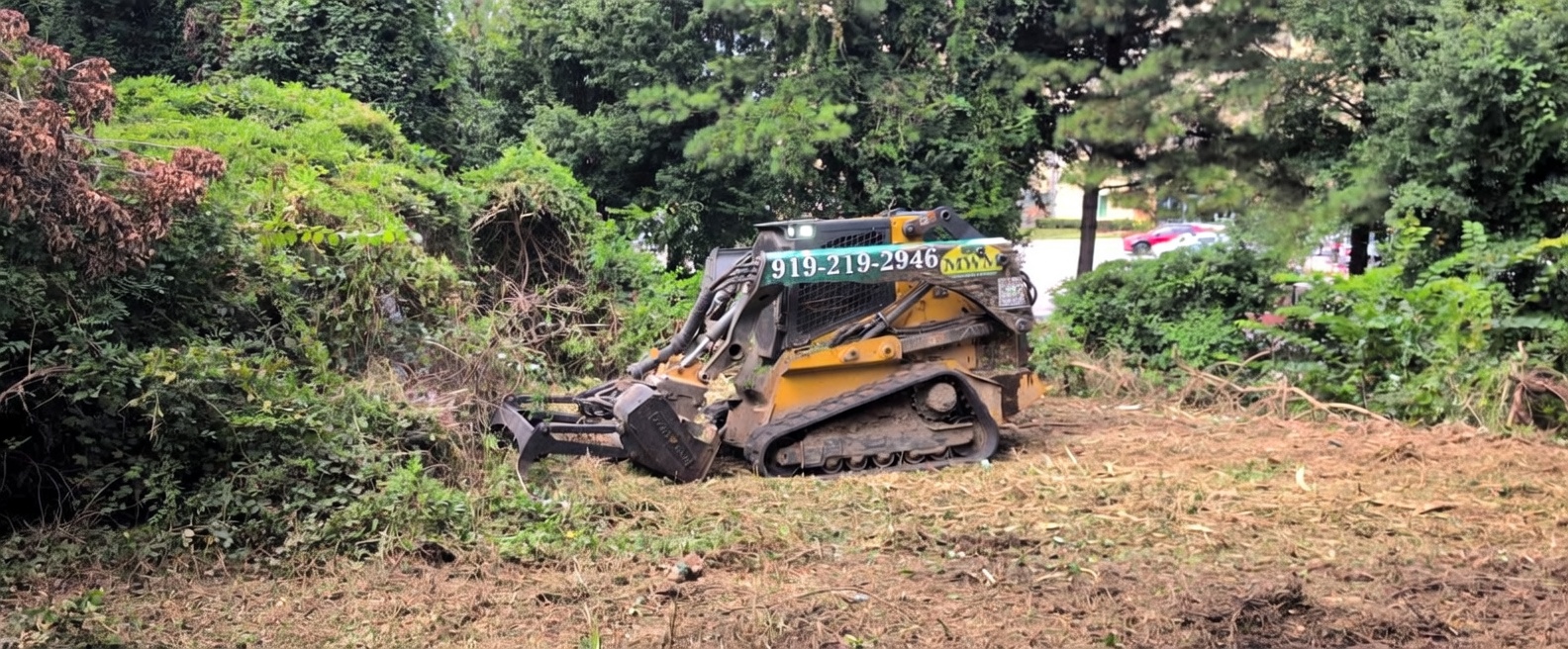
 Brush Hogging Cost Per Acre in Texas (2026)
Brush hogging in Texas averages about $47 an acre in AgriLife's 2026 survey. See regional rates, why small tracts cost more, and when shredding is not enough.
Services Reclaiming Overgrown Pasture in North Texas
How to bring a brushed-in North Texas pasture back: what to clear, what to keep, why mesquite returns, when to schedule, and what reclamation costs per acre.
 Cost Guide
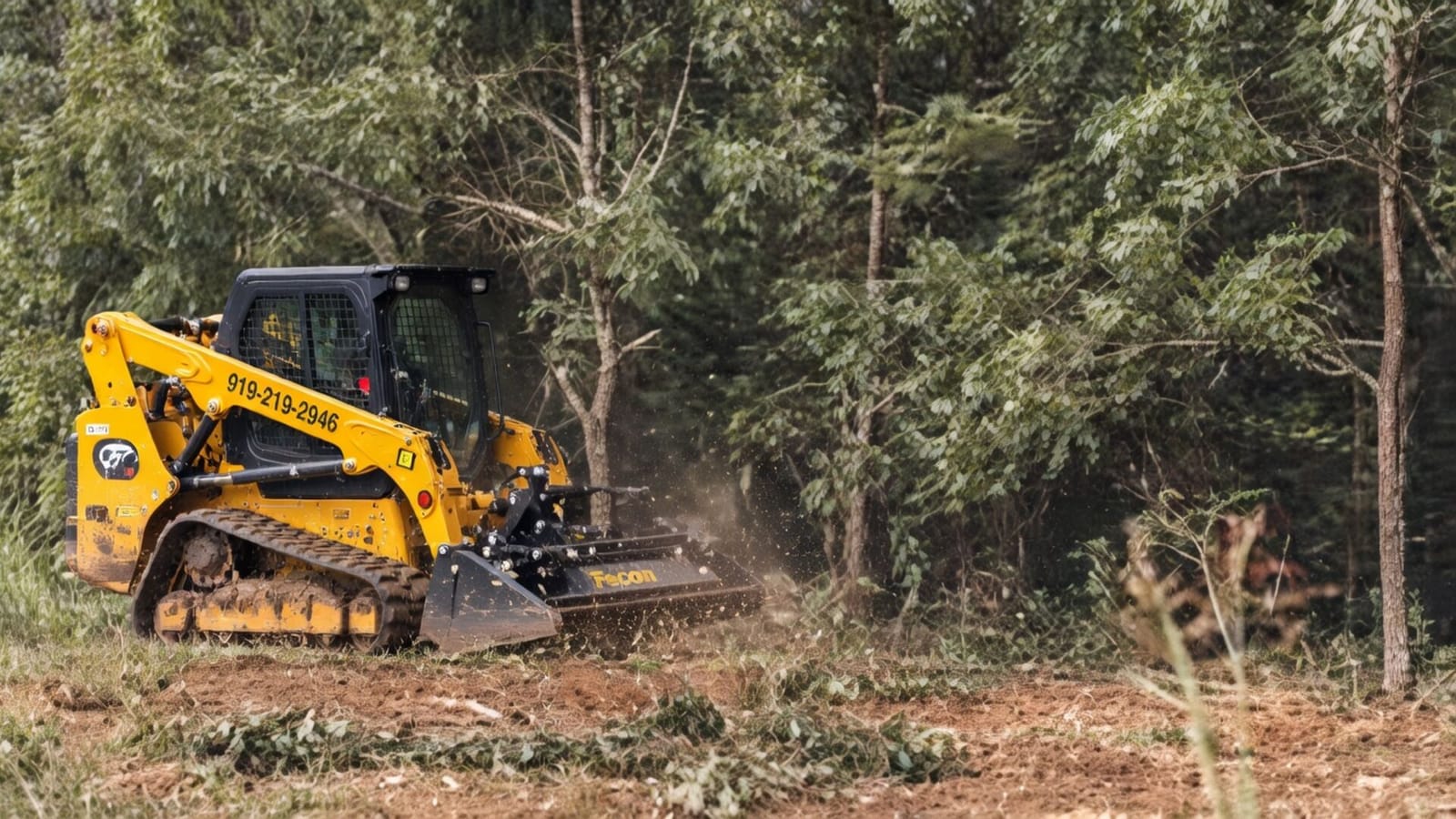
 Forestry Mulching Cost in Texas (2026 Per-Acre Guide)
Forestry mulching in Texas runs $1,500 to $4,000 an acre. See why cedar and rock, Blackland clay, yaupon and burn rules move a quote in each part of the state.
Let's Get Started on Your Land
Request a free quote. We'll contact you to discuss your property, access, and the clearing you need.
Get a Free QuoteOr call us directly: (919) 525-3950