What to Know Before Clearing Land Around Indianola
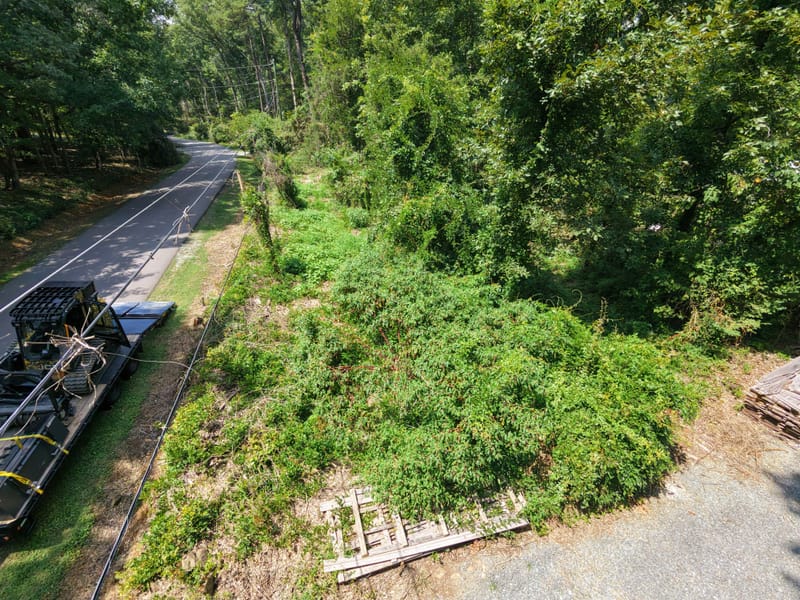
Privet runs the fence rows. Mississippi State University Extension says Chinese privet
takes hold in bottomland forest, along fence rows and where open ground meets woods, spreads by seed
that birds carry, and also sprouts from roots and stumps. Cutting it without treating the stumps
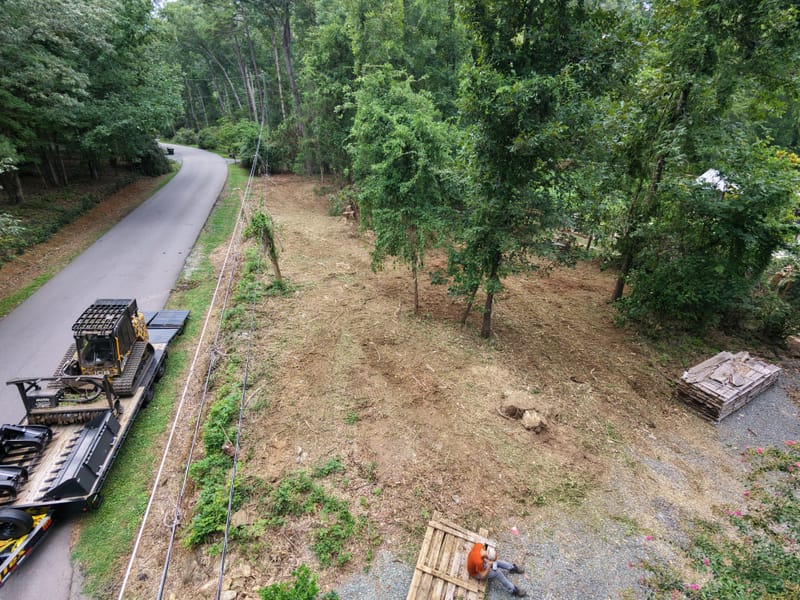
brings it back. Mulching opens the row and puts the sprouts within reach; a treatment on that regrowth
keeps them down. The
fence row clearing guide
sets out the order.
Ask the city, the county and the farm office. The City of Indianola's inspection
department issues site development and floodplain permits, and its public pages do not say whether
clearing needs one, so a phone call settles it. Outside the city, the Sunflower County Board of
Supervisors is the office to ask. If the land has been farmed, the Natural Resources Conservation Service
decides what counts as wetland, and converting wetland to crop ground can cost a farmer federal program
benefits. Requirements vary by parcel, scope and jurisdiction, and the governing authority makes the
determination. The
Indianola and Sunflower County
permit guide covers each office.
Timber is scarce, so keep the good trees. The Nature Conservancy puts the Delta's
remaining bottomland hardwood forest at roughly 18 percent of its original 24 million acres, often in
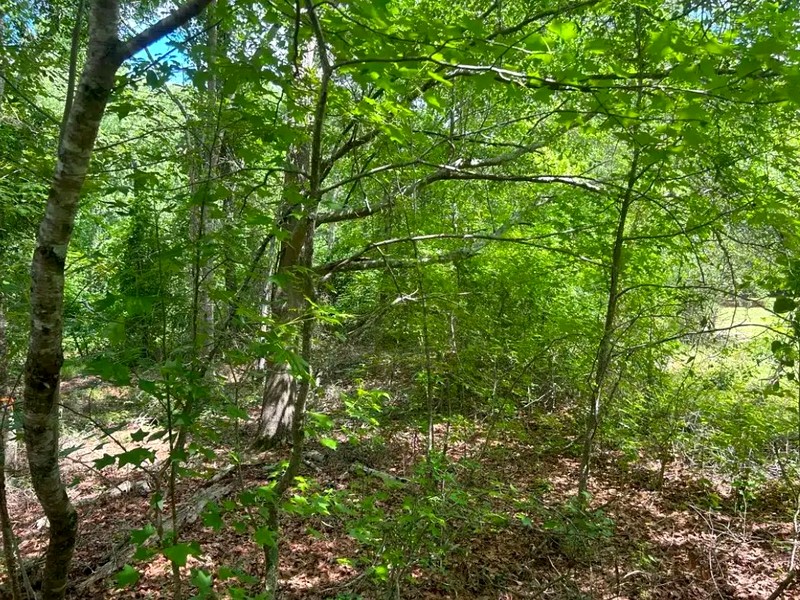
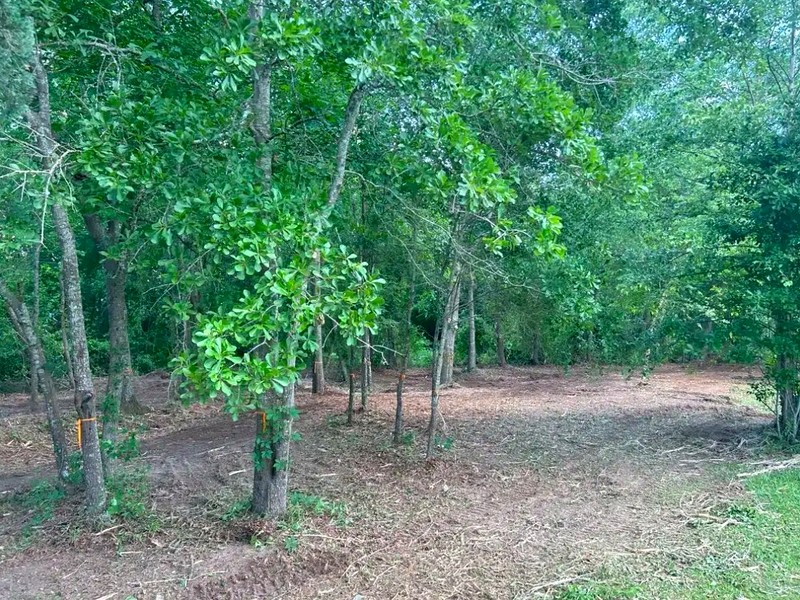
small fragments. A bayou-side stand of hardwoods is worth saving, and a mulcher can work
around those trunks. Flag every tree you want kept before anyone prices the job.