What to Know Before Clearing Land Around Starkville
City and county are different offices. Inside Starkville, the unified development
code requires a land disturbance permit from the city Building Department for clearing done as a step
toward construction. The fee is $50 for residential development, and no clearing or grubbing starts
until the city has inspected the erosion controls. Logging, timber harvesting and agricultural activity
are exempt. Outside the city limits, Oktibbeha County publishes its own site development permit
application, and we could not confirm from its page what triggers it, so the courthouse answers that
one. Requirements vary by parcel, scope and jurisdiction, and the governing authority makes the
determination. The
Starkville and
Oktibbeha County permit guide covers both.
One acre brings the state in. The state environmental agency requires construction
stormwater coverage once disturbance reaches one acre, and the city's own application asks whether
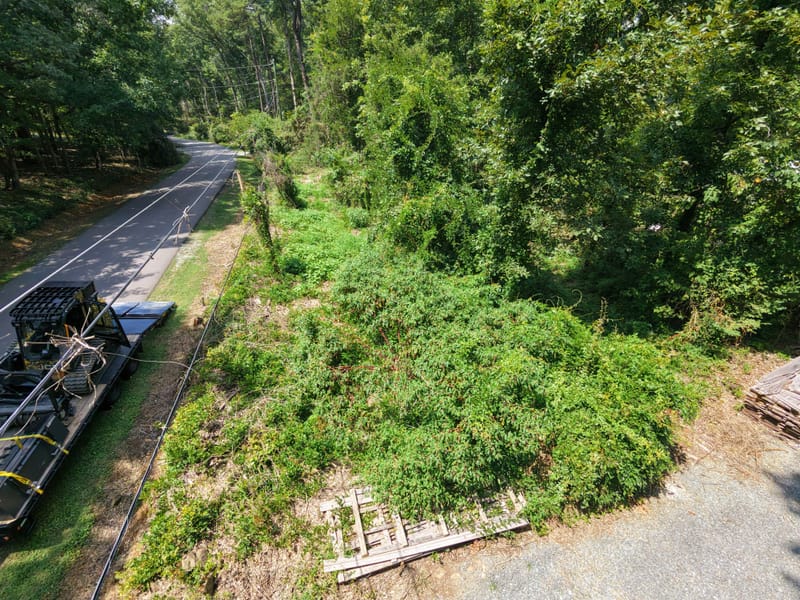
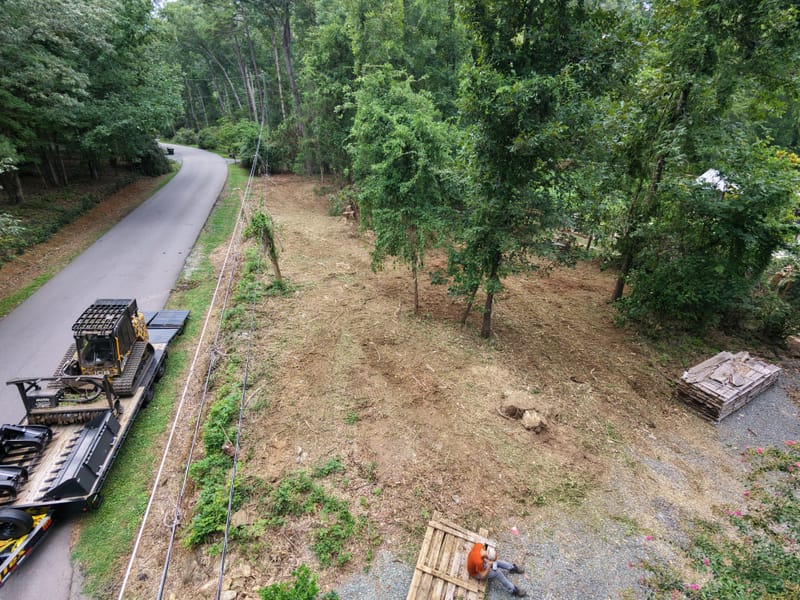
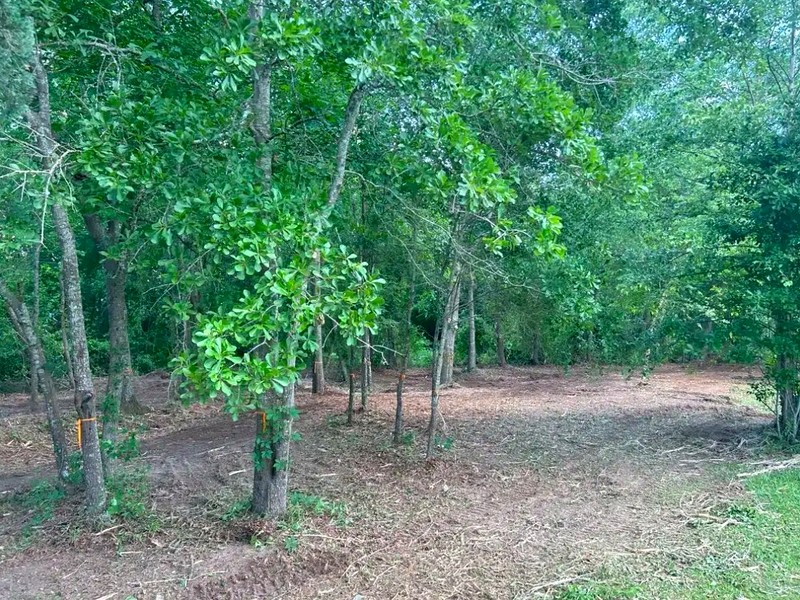
the area is over an acre. Mulching leaves roots in place and a chip layer on top, which suits that
kind of plan better than scraping to bare dirt does.
Prairie ground grows cedar. The US Forest Service describes the Black Belt or
Blackland Prairie as a mosaic of grassland, oak woodland and redcedar thickets, and says the cedar
zones may mark invasion where fire has been kept out. The Oktibbeha soil series, first described in
this county in 1907, is clay with very slow permeability. The tree itself does not sprout back after
cutting. The
redcedar clearing
guide explains what that means for the job.