What to Know Before Clearing Land Around LaFollette
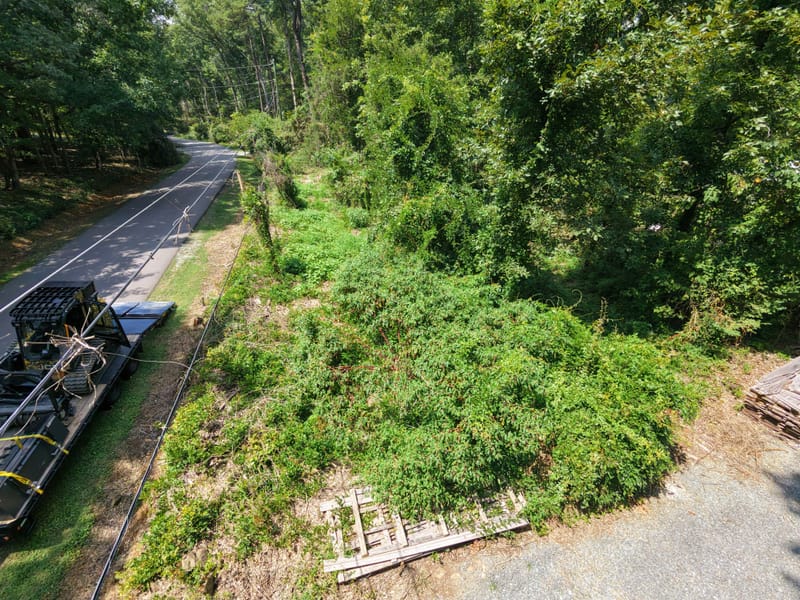
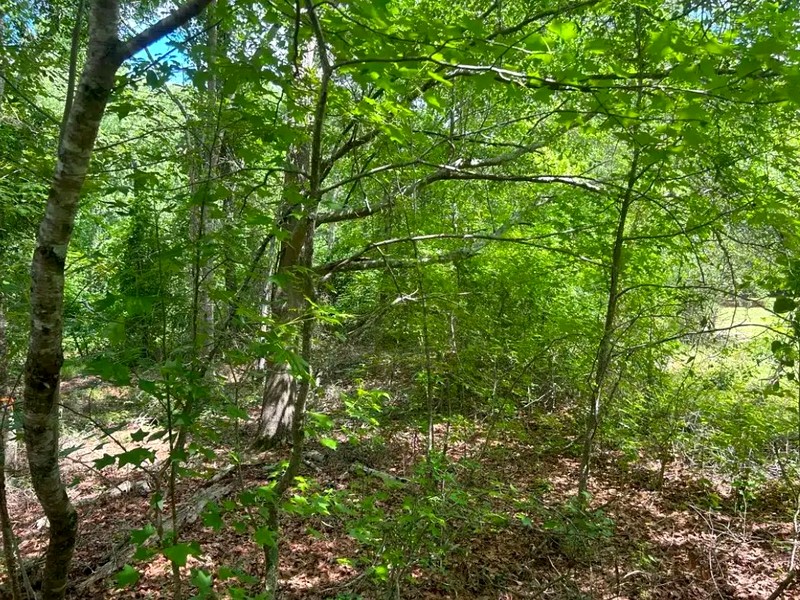
Old mine benches grow a stubborn kind of thicket. Virginia Tech's Powell River
Project guidelines say unused mined land is mostly fescue and sericea lespedeza. Autumn olive and
black locust move in about five years after reclamation, and natural growth stalls there. The
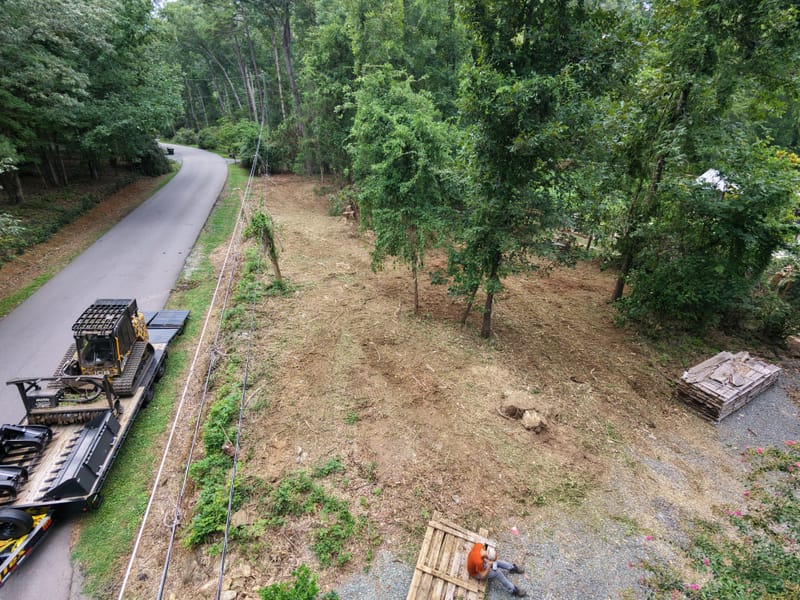
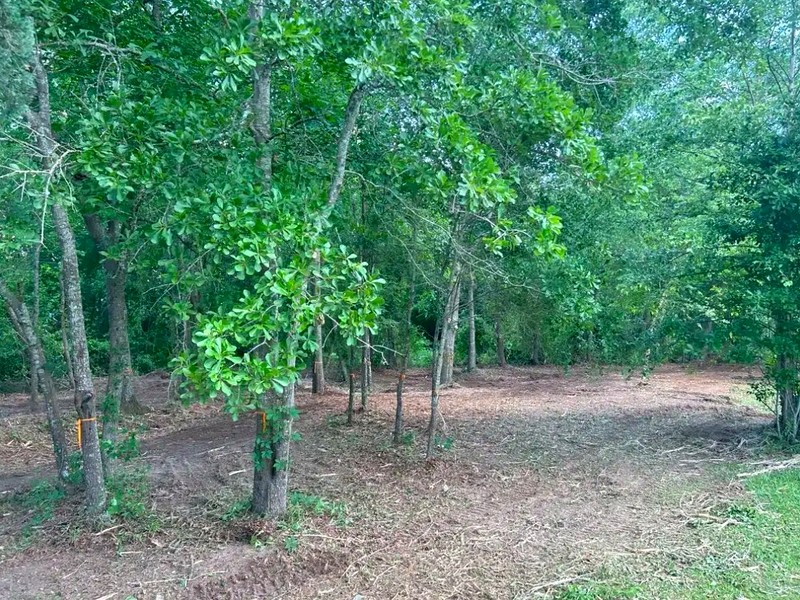
footing can be packed hard and rocky. A mulcher flattens the shrubs, but the guidelines warn that
cutting without spraying lets them sprout again, so the plan should name a follow-up. Our
guide to
clearing old strip-mined ground has the details.
Inside the city, the posted form puts a grading permit first. The building permit
application form LaFollette has posted says a grading permit must be issued before any land
disturbing activity. The form asks for a site plan from a tenth of an acre and lists an undisturbed
25-foot buffer from the top of bank beside free-flowing streams. Confirm the current requirements
with the City of LaFollette codes office before work starts. At an acre or more, a state
construction stormwater permit may be needed before the city application. Requirements vary by
parcel, scope and jurisdiction, and the governing authority makes the determination. The
LaFollette and
Campbell County permit guide lays out the order.
On Norris Lake, TVA decides what comes down near the water. Where TVA owns the
shoreland in front of a lot, federal rules keep a 50-foot shoreline management zone where no trees
may be cut. They allow a path to the water up to 20 feet wide, and they require TVA's written
permission and an approved vegetation plan before any work. Your own ground behind that line is a
separate question. Raise the shoreline early, because TVA's answer can change the whole job. A lake
lot quote is final only once the area we may work is known.