What to Know Before Clearing Land Around Huntington
The soil decides the calendar. USDA soil data puts more than half of Huntington County
in two series: Blount, somewhat poorly drained, with a water table perched half a foot to two feet down
in normal years, and Pewamo, very poorly drained, in the low spots. Both farm well once tiled, and both
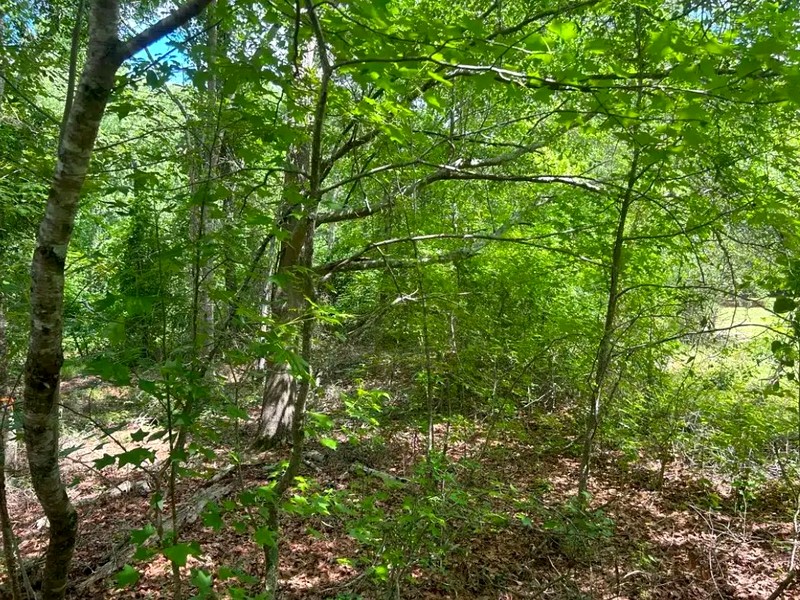
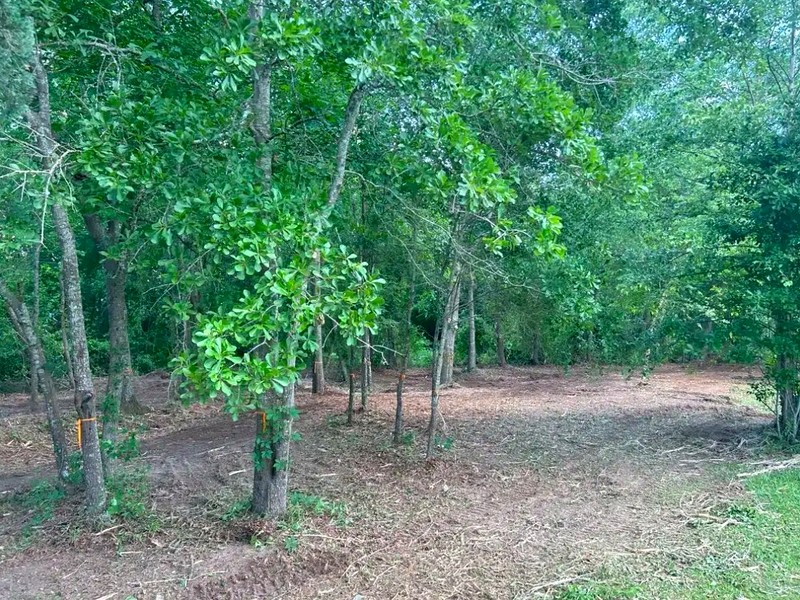
stay soft through winter and spring. Late summer to the first hard frost is the time to bring a machine
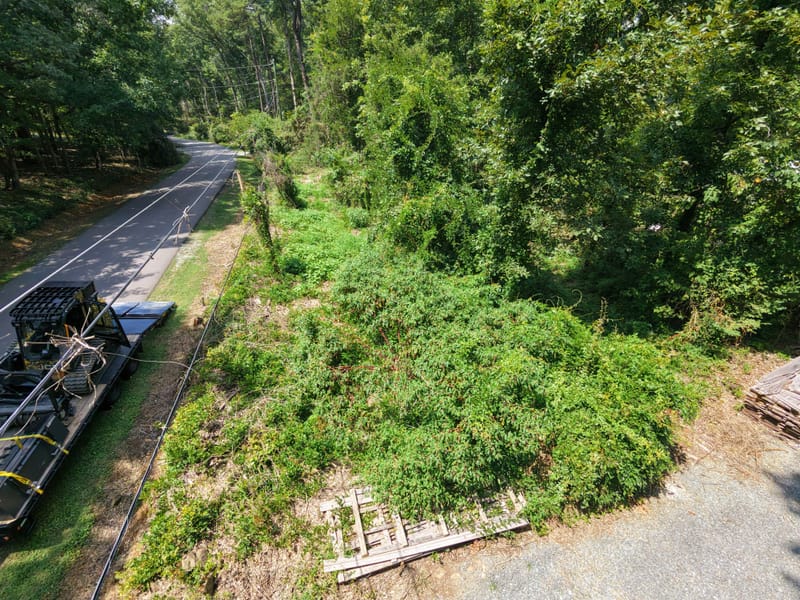
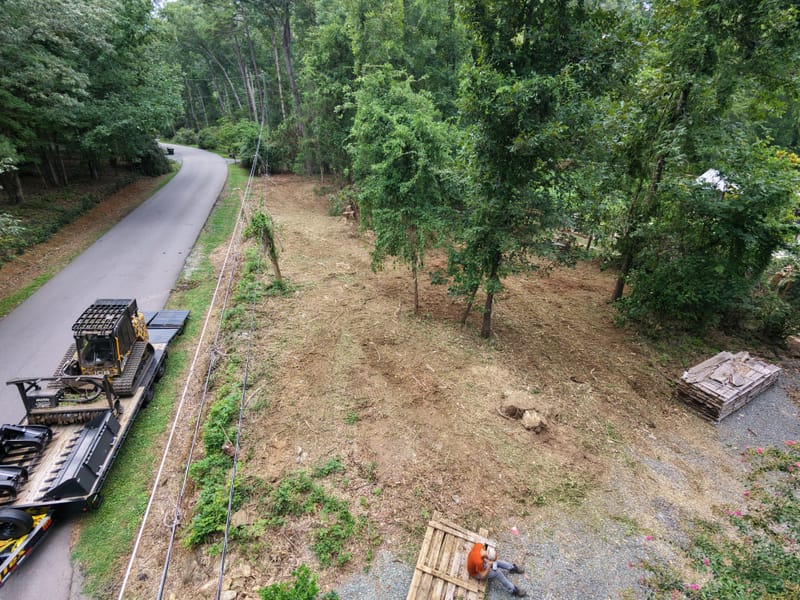
onto a low field edge or a woodlot floor. The
Huntington forestry mulching cost guide
explains how ground and growth show up in a quote.
Autumn olive does not stay cut. Indiana DNR reports it in every county of the state, in
pastures, fields and thin woodlands, and warns that cutting can bring it back with vigorous resprouting.
Mulching opens the fence row; a treatment of the stumps or resprouts by your licensed applicator, and a
check the next season, keep it open. The autumn olive removal guide
sets out the order.
Ask the right office first. Inside the city, ask the City of Huntington's building and
planning office at 300 Cherry Street. Outside it, the Huntington Countywide Department of Community
Development handles permits and floodplain questions for the county and its towns. Many field ditches
and tiles are regulated drains, which carry a 75-foot drainage easement under Indiana's drainage code
and answer to the County Surveyor and the Drainage Board. Disturbing an acre or more of soil brings in
IDEM's construction stormwater permit. Requirements vary by parcel, scope and jurisdiction, and the
governing authority makes the determination. Statewide figures are in our
Indiana land clearing cost guide.