

Horse Pasture & Paddock Reclamation in Central North Carolina
Reclaim overgrown pastures and paddocks – no stumps left, fence line cleared, toxic plants identified and removed. Single-pass mulching with tracked equipment that minimizes pasture compaction.
Why Choose Us
Horse Pasture & Paddock Reclamation: Before & After
Real results from recent projects across Central North Carolina.
Reclaimed pasture in Wake County – stumps ground below grade, fence line cleared
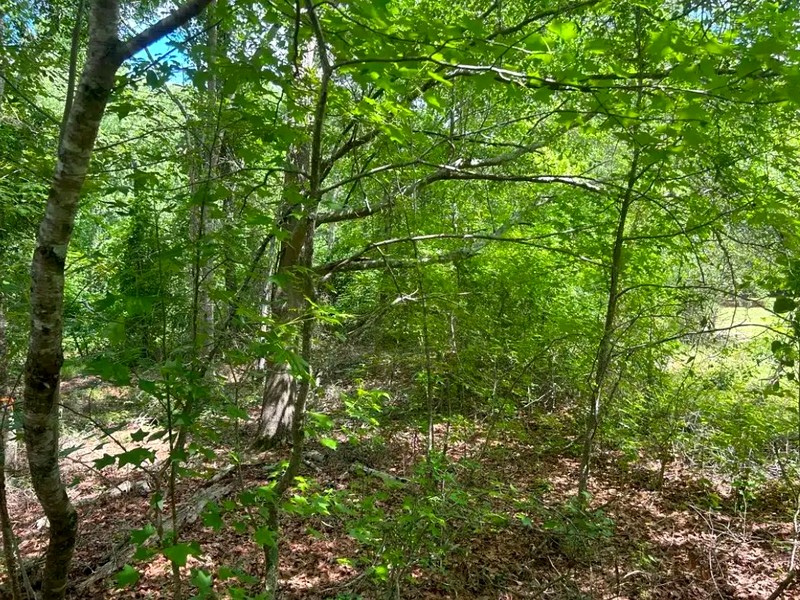
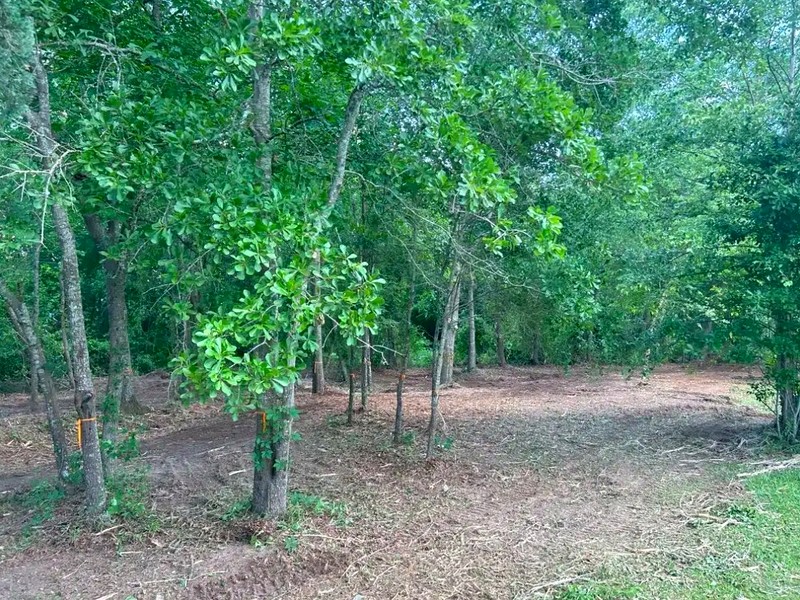
Fence-line clearance and back-corner reclamation on a multi-acre equestrian property
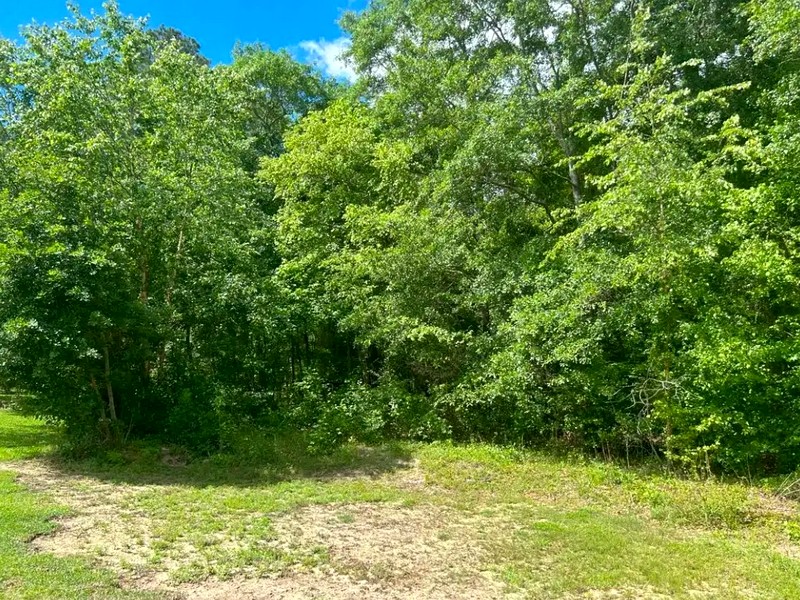
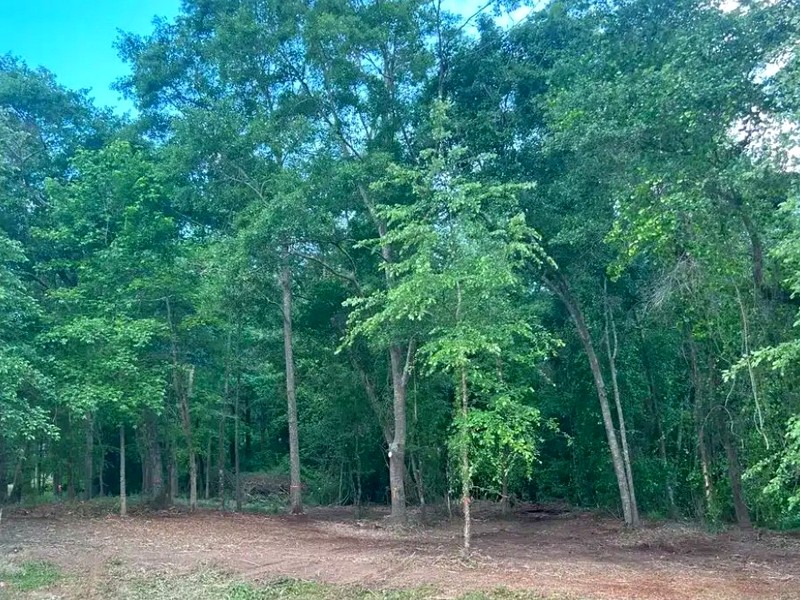
The Pasture Has Gotten Away from You – and Stumps Are Why You're Calling Us, Not a Brush-Hog Crew
The pasture has gotten away. Briars climbing the fence, scrub honeysuckle thickening on the back third, a couple of pines starting to seed in. You can't safely turn the horses back into it. You've called brush-hog crews. The brush comes down; the stumps stay. You walk the pasture in muck boots before turning the herd out and check for hoof hazards every time. That's why you're looking for a different kind of crew.
Cut Brush runs forestry mulching across Central North Carolina – the equipment grinds stumps below grade in the same pass that takes the brush. No stumps left for hooves to catch. No debris piles. No burned brush. We work on equestrian properties from Wake Forest's Hasentree and Heritage horse country to Hillsborough's rural-residential outskirts and the working horse properties scattered across Youngsville, Franklinton, Bunn, and Angier.
What Makes a Pasture Safe for Horses Again
Reclamation isn't just brush removal. It's the combination of clearing what's there and making sure what's left behind is hoof-safe. That's a different finish than a brush-hog job, and it requires the right equipment.
The key things that matter for a working horse pasture:
- Clearing to ground level.No stumps, no root mats, no protruding sharp wood. Forestry mulching grinds the stump below grade in the same pass that takes the visible growth.
- Removing fence-line briars.Multiflora rose, blackberry, and wild rose on the fence line cause eye and skin injuries on horses moving along the line. Cleared fence lines are part of the safety package.
- Identifying toxic plants for removal.Wild cherry leaves, Eastern black walnut shavings, pokeweed, and nightshade are all toxic to horses and all common on neglected NC pasture edges. We identify what we see during the walk-through and remove what you want removed.
- Restoring sight lines.Pasture management depends on being able to see the herd from the fence. Overgrown back corners hide everything – injuries, foaling, predators.
- Fence-line clearance for hot wire or board fencing.Two to three feet of cleared ground on each side of the fence line keeps wire from grounding out and keeps board fencing from rotting against pressed-up brush.
How Cut Brush Works on Equestrian Property
Single-pass mulching is the tool. Tracked equipment leaves minimal compaction on damp pasture ground, which matters because horses returning to a heavily compacted pasture deal with drainage and footing problems for months.
The mulch layer left behind is a mixed-species woody chip layer. We're not aware of any toxicity concerns for horses walking on standard mixed-hardwood mulch, but if you have specific concerns – a known reaction in your herd, a vet recommendation, a prior issue with cherry-shaving bedding – tell us during the walk-through and we'll work around it. We can rake mulch into a perimeter pile rather than leaving it spread on the pasture surface, on request. Talk to your vet if you want a definitive answer for your specific herd.
We coordinate with stable schedules. Many properties want us in while the herd is at a show, in a separate paddock, or out at lesson barn. Tell us your scheduling constraints during the walk-through – we work around them. The cut itself takes one to two days for most reclamation jobs; allow another seven to fourteen days before turning the herd back out so the cleared ground settles.
Who This Is For in Central NC
Equestrian properties at every scale, from working horse farms to back-yard horse owners.
- Hasentree, Heritage Wake Forest, La Ventana – Wake Forest equestrian estates.Multi-acre pastures with horse-friendly estate lots. Reclamation work is consistent here as pastures cycle through use and disuse.
- North Raleigh acreage with horses.Older properties along the Falls of the Neuse Road and into northern Wake County.
- Hillsborough rural-residential.Strong equestrian density on the Orange County rural outskirts. Eno River-adjacent paddocks.
- Rural Franklin – Youngsville, Bunn, Franklinton.Working horse properties and casual back-yard horse owners both common.
- Rural Johnston – Princeton, Kenly, Four Oaks.Pasture reclamation on family farms.
- Rural Harnett – Angier.Multi-acre horse property with consistent reclamation needs.
If you walk the pasture in muck boots looking for stump hazards before you turn out, the call is the right one to make. 919-525-3950 or request a free quote – we respond inside 24 hours.
How Horse Pasture & Paddock Reclamation Works
We keep the process simple so you can focus on enjoying your land.
Walk the Pasture in Muck Boots with Us
We walk the pasture with you. Fence line, back corners, toxic-plant ID, fence-line clearance. We talk about your stable schedule and any scheduling constraints. Written quote inside 24 hours.
Single-Pass Mulching, No Stumps Left
Tracked forestry mulcher grinds brush, briars, and stumps below grade in one pass. Tracked equipment minimizes pasture compaction. Most reclamation jobs finish in one to two days.
Walk the Cleared Pasture Before Turn-Out
We walk the pasture with you when we're done – stump check, fence-line check, sight-line check. Allow seven to fourteen days before the herd goes back out so the cleared ground settles.
Why Property Owners Choose Cut Brush
Professional equipment, local expertise, and results you can walk on the same day.
No Stumps Left for Hooves to Catch
Forestry mulching grinds stumps below grade in the same pass as the brush. The pasture is hoof-safe when we leave – not after a separate stump-grinding crew comes back.
Toxic Plant ID and Removal
Wild cherry, pokeweed, nightshade, Eastern black walnut shavings – we identify what we see during the walk-through and remove what you want removed. Your call on each species.
Fence-Line Clearance for Hot Wire and Board
Two to three feet cleared on each side of the fence line. Hot wire stops grounding out. Board fencing doesn't rot from pressed-up brush. Fence injuries drop measurably.
Sight Lines Restored
Pasture management depends on seeing the herd from the fence. Cleared back corners and reclaimed sight lines bring back the visibility you need for daily check-ins, foaling, and injury catches.
Tracked Equipment, Minimal Compaction
The tracked mulcher leaves much less compaction than wheeled brush-cutters. Pasture drainage and footing recover faster after the work because the soil structure isn't hammered.
Coordinated with Stable Schedule
Tell us when the herd is at a show, in a separate paddock, or out at lesson barn. We schedule around it. Most equestrian customers want us in during a planned away-day.
Get a Free Horse Pasture & Paddock Reclamation Quote
Tell us about your project and get a custom quote – no obligation, no pressure. Curious how pricing works? See our land clearing pricing guide.
Request a Free QuoteRelated Services
Need something beyond horse pasture & paddock reclamation? We handle a full range of land clearing work across Central North Carolina.

Brush Hogging
Annual rough mowing for pasture maintenance between reclamation jobs.

Fence Line Clearing
Two to three feet cleared on each side of the fence line – hot wire and board.

Invasive Species Removal
Multiflora rose, poke, and toxic-to-horse plants off your pasture.

Forestry Mulching
Single-pass clearing that grinds stumps below grade in the same pass.
Horse Pasture & Paddock Reclamation Across Central North Carolina
We provide horse pasture & paddock reclamation services in these towns and surrounding areas.
Horse Pasture & Paddock Reclamation Guides
Horse Pasture & Paddock Reclamation FAQ
Ready to Take Back Your Land?
Get a free, no-obligation quote for horse pasture & paddock reclamation in Central North Carolina.
Get Your Free Horse Pasture & Paddock Reclamation QuoteOr call us directly: (919) 525-3950