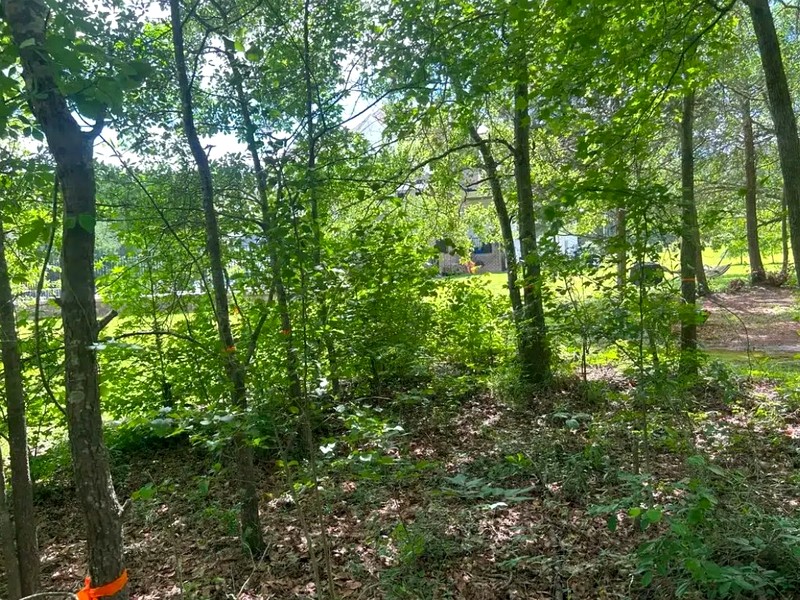
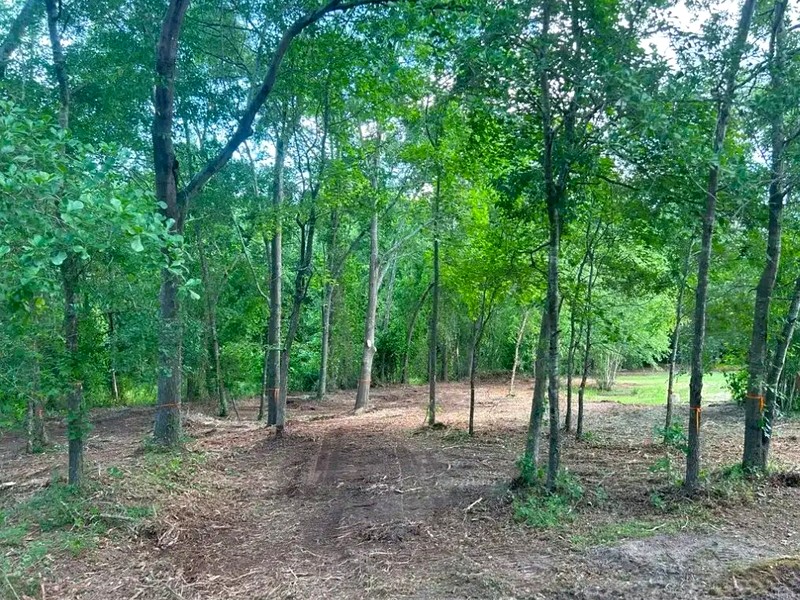
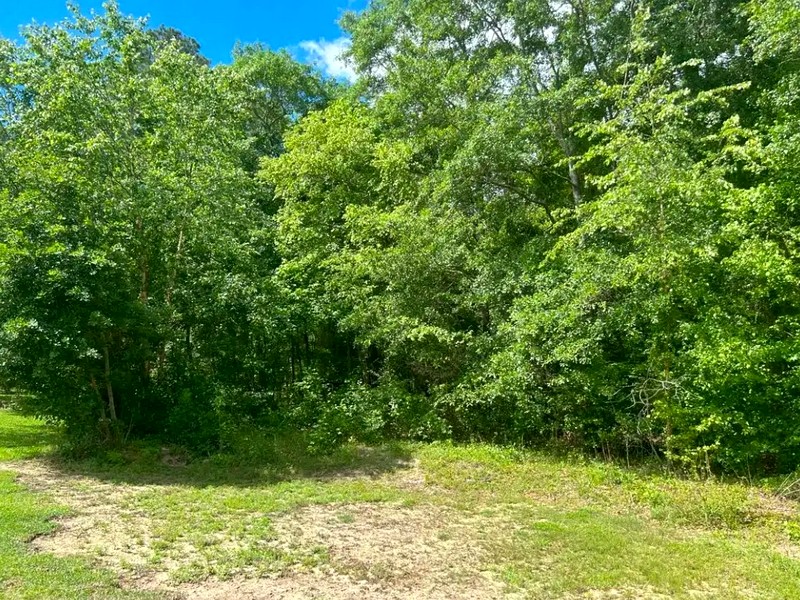
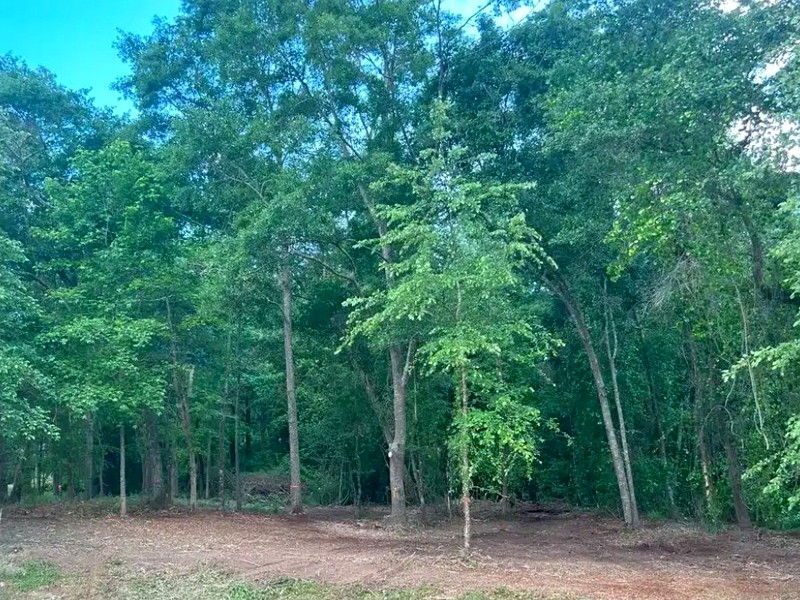
If you own property in Durham, NC, you already know what happens when a lot sits untouched for even one growing season. Kudzu swallows fence lines in Hope Valley. Chinese privet creeps across backyards in Woodcroft. That wooded parcel you bought near the Southpoint corridor is a wall of loblolly pine and sweetgum too dense for anyone to walk through. Land clearing in Durham NC is not a cosmetic upgrade – it is the first step toward building, selling, or simply using your property again. Durham County sits in the heart of the Triangle, and Cut Brush clears overgrown residential, commercial, and rural lots across the city and surrounding county.
Why Durham Properties Need Land Clearing Now
Durham is growing faster than most cities in the Southeast. South Durham along the Southpoint corridor is seeing explosive residential and commercial development. Home prices in the Farrington area jumped over 50 percent in the past two years. The Heritage Square project – a billion-dollar mixed-use development planned for downtown – signals the scale of investment pouring into the city. Novel Uhill, a 400-unit development in the University Hill neighborhood near Duke, broke ground in 2025. Commerce Street Apartments will add 172 units by late 2026.
That growth means property owners across Durham County are sitting on land that needs clearing before it can be developed, subdivided, or improved. Builders working in South Durham and the Research Triangle Park corridor need lots prepped and ready. Homeowners in established neighborhoods like Hope Valley, Woodcroft, and Forest Hills need overgrown sections reclaimed. Rural landowners in North Durham and along the Eno River corridor need acreage cleared for agricultural use, homesites, or access roads. The demand for lot clearing in Durham NC has never been higher.
Vegetation and Terrain Challenges in Durham NC
Durham sits on rolling piedmont terrain with red clay soil – the same aggressive growing conditions that make the Triangle one of the hardest places to keep land cleared. Loblolly pine and sweetgum dominate undeveloped parcels across the county. Red maple fills in gaps quickly. Chinese privet is the worst offender in established neighborhoods like Trinity Park, Old North Durham, and Forest Hills, spreading along fence lines and under tree canopies faster than any homeowner can manage alone.
Kudzu covers entire hillsides in rural North Durham and along the Eno River corridor. Japanese honeysuckle blankets fence lines and property edges in Treyburn and the Southpoint area. Mature hardwood canopies in older neighborhoods create dense shade that kills turf but feeds aggressive understory growth. When a storm drops a large oak in Woodcroft or Hope Valley, the exposed ground fills with volunteer sweetgum and privet within months. Brush removal in Durham NC is not a one-time project for most properties – the vegetation here is relentless.
Permits and Regulations for Land Clearing in Durham
Durham County operates under its own permitting system – separate from Wake County. The City of Durham Unified Development Ordinance Section 8.3 sets tree protection and coverage standards using a sliding scale based on site size and zoning. If you are clearing more than an acre, you will need a land disturbance permit from Durham County Planning. HOA communities like Hope Valley, Woodcroft, and Treyburn typically require architectural review before exterior clearing work begins. Sort out which of these applies before a work date is set.