

Defensible Space & Firewise Brush Clearing in Central North Carolina
We follow the National Fire Protection Association and NC Forest Service Firewise framework to thin fuel ladders and reduce brush density in Zones 2 and 3 around your wooded home. Mature canopy preserved, no burn piles.
Why Choose Us
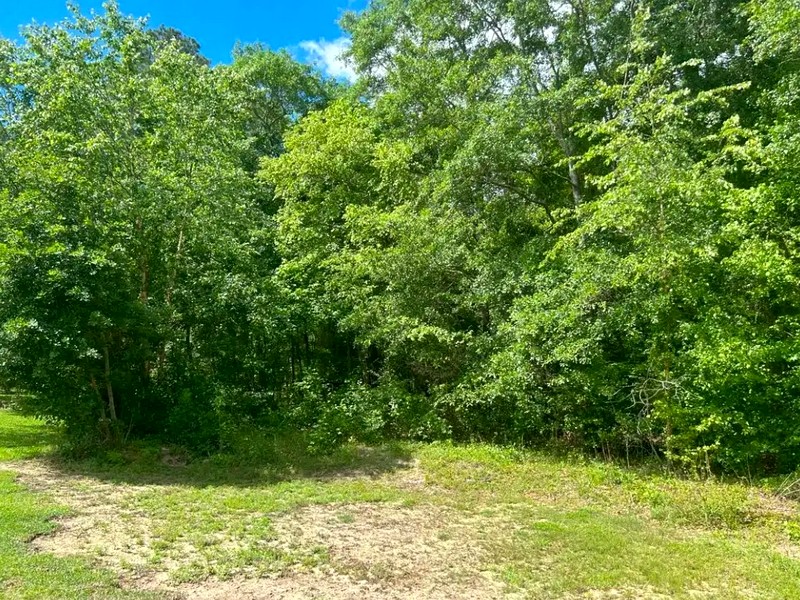
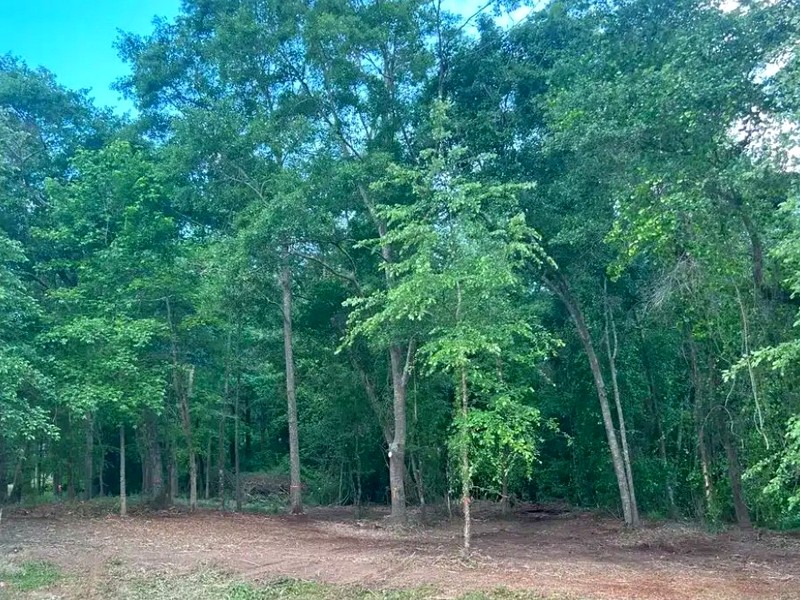
Defensible Space & Firewise Clearing: Before & After
Real results from recent projects across Central North Carolina.
Wooded lot in Wake Forest – fuel-ladder undergrowth mulched, mature canopy preserved
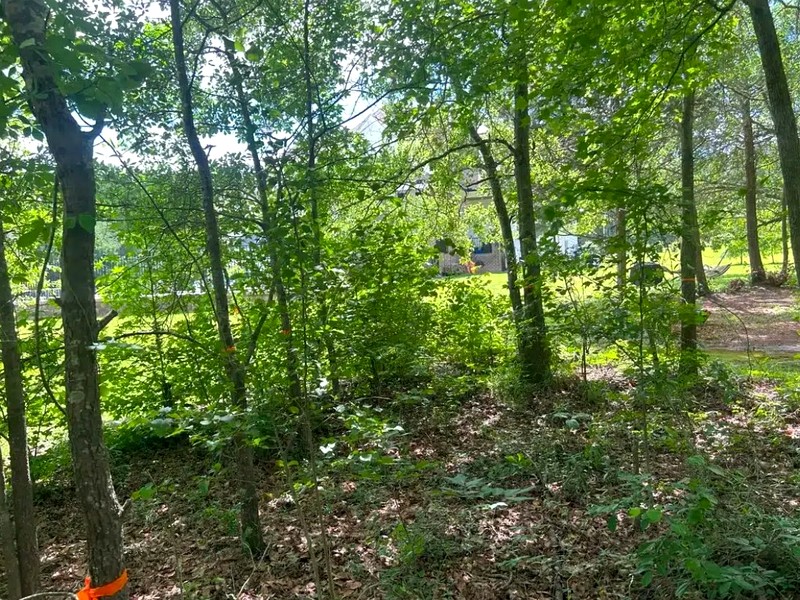
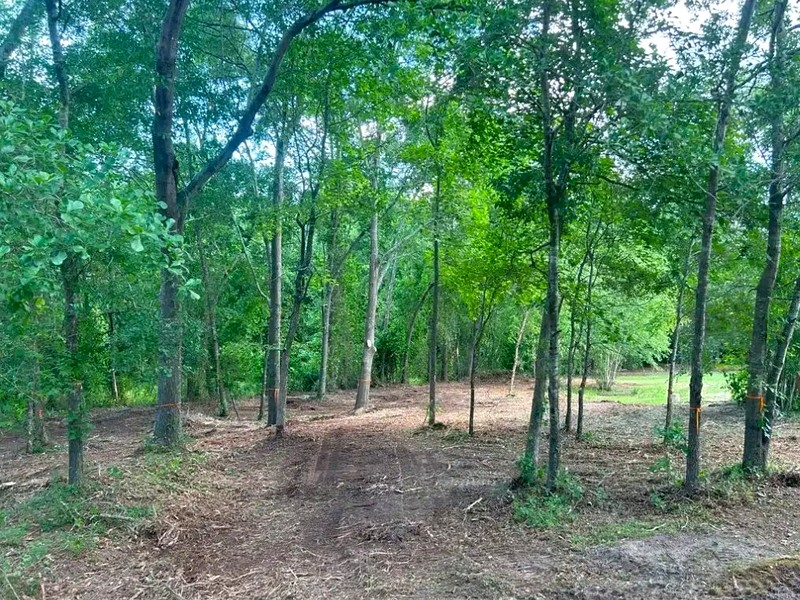
Driveway corridor cleared on a wooded rural-residential property
You've Got a Wooded Home and a Bad Feeling About Wildfire Risk
You bought the place for the trees. Mature pines, oaks, hickory – the canopy is most of why you live here. But the news cycle on Western US wildfires has gotten loud, and Central NC has had a string of dry-weather windows that didn't used to happen this way. You walk the perimeter of the house and the fuel load is real – pine straw banked against the foundation, low brush five feet from the wall, ladder fuels running up into the crowns. Defensible space is the term you've started reading about. The framework is real, and Cut Brush handles the brush-clearing half of it across Central North Carolina.
Most Triangle homeowners assume wildfire is a Western US problem. The Sandhills, the Croatan National Forest, and the western piedmont edges of NC all carry real fire risk – and the suburb-meets-woods boundary that's most of Wake, Orange, and Granville counties is exactly the profile that defensible-space planning was built for. Our job isn't to sell you on panic. Our job is to thin the fuel ladder and reduce the brush density in the zones around your structure, so the next fire-weather window doesn't put your house at the front of the line.
The Three Defensible-Space Zones (the Framework)
Defensible-space planning splits the area around a home into three concentric zones. This is the framework the National Fire Protection Association and the NC Forest Service teach. Cut Brush is not a Firewise USA-certified contractor – the framework is public knowledge, and we describe it accurately so you know what we're doing and why.
- Zone 1 (0–5 feet from the structure).The non-combustible immediate zone. Gravel, pavers, mowed lawn, irrigated annuals. No woodpile against the house, no pine straw mulch banked against the foundation, no juniper or other oily evergreens within five feet of the wall. This zone is mostly hand work – landscaping, hardscaping, gutter cleaning – not a forestry-mulching job.
- Zone 2 (5–30 feet).The lean-clean-green zone. Thinned mid-story, no fuel ladders running from ground vegetation up into the crowns, dead-and-down material removed, irrigated and maintained turf or low ground cover. This is where forestry mulching does the most work – we pull out the mid-story brush, the seedling pines and saplings that act as fuel ladders, and the low juniper or invasive shrubs that carry fire from grass into canopy.
- Zone 3 (30–100+ feet).The extended zone. Thinned canopy with separated tree groups, removed dead-and-down wood, no continuous brush layer running across the property. We use single-pass mulching across this zone to reduce brush density without clear-cutting – your hardwoods stay, your pines stay, and the fuel-ladder undergrowth is gone.
Some properties also benefit from clearing along the driveway corridor. This is the emergency-vehicle access concern, separate from the structure-defense zones. A brush-encroached driveway through woods is both a fire-spread vector and an evacuation chokepoint, and clearing it 10 feet on each side opens both lanes.
How Cut Brush Executes Zone 2 and Zone 3 Work
Forestry mulching is the right tool for Zones 2 and 3 specifically. Here's why. The mulcher processes mid-story brush, fuel-ladder saplings, and the dense undergrowth layer in a single pass. The mulch layer it leaves behind is, in itself, a moisture-retaining ground cover that resists ignition far better than dry leaf litter or pine straw – this isn't a Firewise certification claim, it's basic fuel chemistry. Tracked equipment doesn't tear up your property the way wheeled brush-cutting equipment can on Central NC's red clay.
We do not burn cleared material. That's a non-starter on a wildfire-conscious property and we wouldn't propose it. We don't haul off the cleared brush either, because the mulch layer is part of the value of the work – removing it would leave bare soil that erodes and re-grows weeds aggressively. The mulch breaks down naturally over a couple of seasons and returns nutrients to the soil while it's there.
For most wooded Central NC homes, the realistic scope is one to three acres of Zone 2 + Zone 3 work, depending on how the lot is shaped. A 1-acre wooded lot with the house centered is typically a one-day mulch job. A 5-acre wooded lot with the house at one corner and the property extending into deeper woods is two to three days, and the back of the lot may be staged across two visits. For deeper land-clearing work alongside fire-prep, see our forestry mulching and brush clearing services.
Who This Is For in Central NC
Wooded Central NC homes are the buyer profile. Specifically the rural-residential 1+ acre lots in:
- Northern Wake near Falls Lake – Wake Forest Heritage and Hasentree, the wooded estates north of NC-98, properties along the Falls Lake watershed.
- Western Wake – Holly Springs Twelve Oaks edges, Apex's western wooded lots near the Jordan Lake watershed.
- Franklin County rural-residential – Youngsville, Franklinton, Bunn.
- Granville County – Creedmoor's lake-adjacent wooded acreage.
- Orange County wooded lots – Chapel Hill's mature canopy estates, Hillsborough's rural-residential outskirts.
- Harnett rural-residential – Angier.
If your lot has a long shared driveway through woods, that corridor is part of the conversation – emergency-vehicle access plus fire-spread vector. We'll quote it as part of the same job. Call 919-525-3950 or request a free quote – we respond inside 24 hours.
How Defensible Space & Firewise Clearing Works
We keep the process simple so you can focus on enjoying your land.
Walk the Zones with You
We walk Zones 1, 2, and 3 around your home. We'll be honest about what's our scope (Zone 2 and 3 mulching) and what isn't (Zone 1 hardscaping, hand pruning of high crowns, irrigation work). Written quote in 24 hours.
Single-Pass Mulching of Zone 2 and Zone 3
Tracked forestry mulcher clears mid-story brush, fuel-ladder saplings, and dense undergrowth in Zones 2 and 3. Mulch layer left in place. Most wooded 1-acre Central NC homes finish in one day; 3–5 acre lots take two to three days.
Walk the Cleared Zones
We walk the zones with you when we're done. Mature canopy preserved, fuel ladders gone, mulch layer covering the soil. We talk about the annual return visit timing for your specific lot.
Why Property Owners Choose Cut Brush
Professional equipment, local expertise, and results you can walk on the same day.
Fuel Ladder Removed in One Pass
The mid-story brush and fuel-ladder saplings that run fire from ground into crown – cleared from Zones 2 and 3 in a single mulching pass. Your hardwoods and mature pines stay; the connecting undergrowth doesn't.
Mature Trees Preserved
Defensible space isn't clear-cutting. We thin the brush, remove the fuel-ladder layer, and keep your canopy. The framework actually wants you to keep the larger trees – they're not the fire risk; the connecting undergrowth is.
No Burning, No Hauling
We don't burn cleared material on wildfire-conscious properties – it's a non-starter. The mulch layer left behind is moisture-retaining ground cover that resists ignition better than dry pine straw or leaf litter.
Driveway Corridor Optional
Long shared driveways through woods are both a fire-spread vector and an evacuation chokepoint. We can clear 10 feet on each side as part of the same job – ask during the walk-through.
Educational, Not Pushy
We describe the Firewise framework accurately. We do not hold formal Firewise USA contractor recognition and we don't pretend to. We're a brush-clearing crew that knows the framework and executes the parts of it that match our trade.
Annual Maintenance Plan
Defensible space rebuilds. The mid-story fills back in over a few seasons. We recommend an annual or biennial return visit to maintain the cleared zones, especially on properties closer to mature woods.
Get a Free Defensible Space & Firewise Clearing Quote
Tell us about your project and get a custom quote – no obligation, no pressure. Curious how pricing works? See our land clearing pricing guide.
Request a Free QuoteRelated Services
Need something beyond defensible space & firewise clearing? We handle a full range of land clearing work across Central North Carolina.

Forestry Mulching
The single-pass clearing method that does most of the Zone 2 and Zone 3 work.

Brush Clearing
General brush, briar, and undergrowth removal across the property.

Property Maintenance
Annual or biennial return visits to keep the cleared zones from rebuilding.

Selective View Clearing
Same physical work as Zone 3 thinning, sold to a different buyer.
Defensible Space & Firewise Clearing Across Central North Carolina
We provide defensible space & firewise clearing services in these towns and surrounding areas.
Defensible Space & Firewise Clearing Guides
Defensible Space & Firewise Clearing FAQ
Ready to Take Back Your Land?
Get a free, no-obligation quote for defensible space & firewise clearing in Central North Carolina.
Get Your Free Defensible Space & Firewise Clearing QuoteOr call us directly: (919) 525-3950