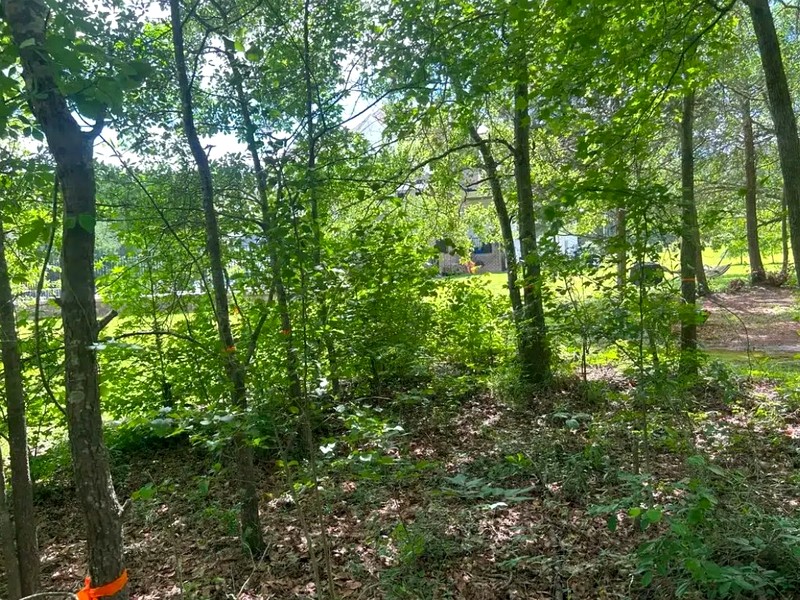
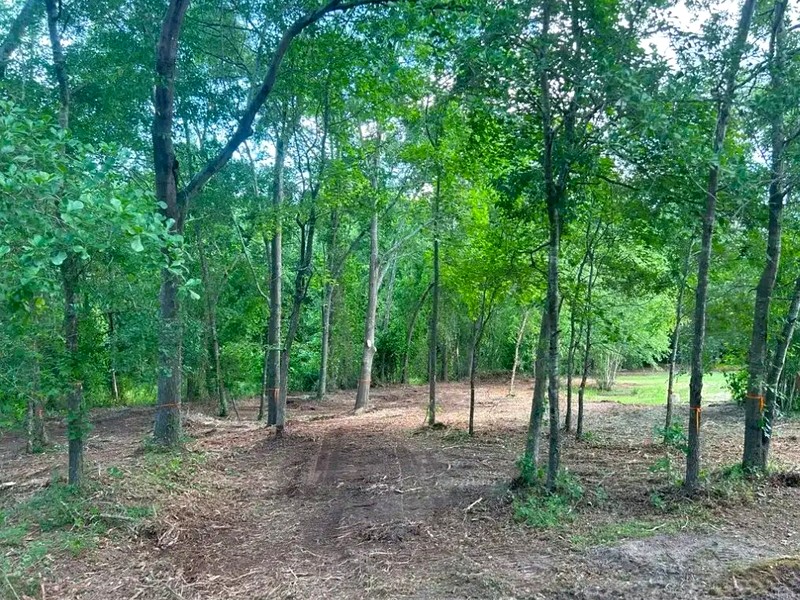
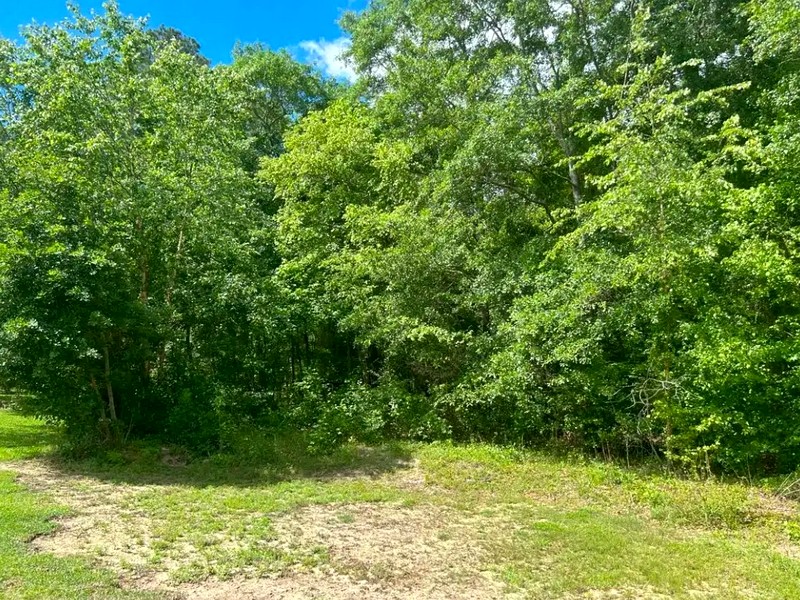
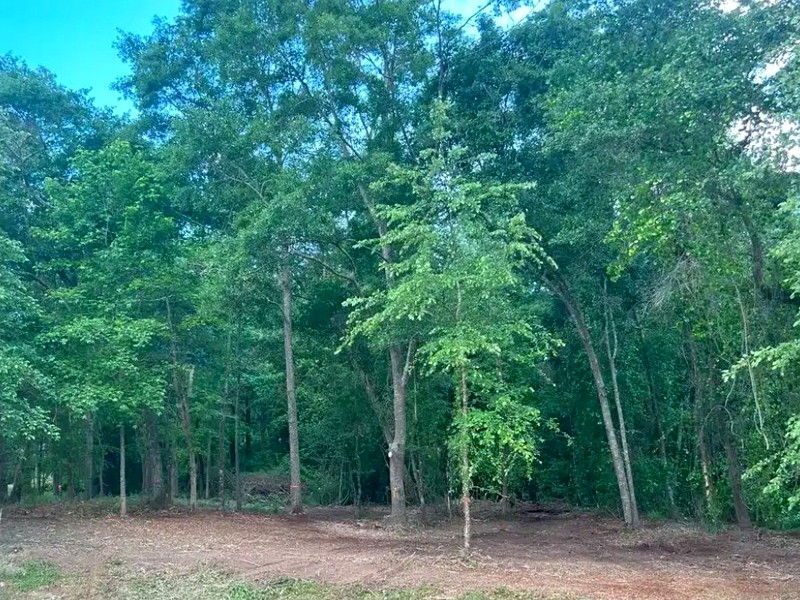
Clayton sits in western Johnston County along the US-70 corridor – and if you own property here, you know the growth is real. That wooded lot you bought in Flowers Plantation has loblolly pine and sweetgum growing so thick your builder can't get equipment on-site. Your backyard in Riverwood is being swallowed by Japanese honeysuckle and privet along the fence line. Or you're sitting on a former farm parcel off US-70 that's reverted to dense brush and briars after years of neglect. Whatever your situation, Cut Brush provides land clearing in Clayton NC for property owners who need overgrown land turned into usable space – fast, clean, and done right.
Why Clayton Properties Need Land Clearing Now
Clayton is the fastest-growing town in Johnston County, with a population that has surged past 40,000 residents. The US-70 corridor and I-40 access to Raleigh are driving rapid residential development, and new subdivisions are pushing into formerly wooded and agricultural land across the area. The Town of Clayton adopted a new Economic Development Strategic Plan in October 2025 and a Comprehensive Transportation Plan in June 2025 – both built around managing this growth for the next two decades. That kind of expansion means constant demand for forestry mulching and lot clearing on properties that haven't been touched in years.
Flowers Plantation is the centerpiece of Clayton's growth – a 3,000-acre master-planned community with townhomes, single-family homes, and custom builds. Its waterfront district opened in 2025, adding even more construction activity to an already busy area. Riverwood, off Pritchard Road, has a mix of apartments, townhomes, and executive homes spreading into wooded land that needs clearing before anything gets built. Glen Laurel, Pointe at Riverwood, and Austin Pond are all established communities where mature lots are dealing with years of unchecked growth along property lines and in backyards.
Vegetation and Terrain Challenges in Clayton NC
Clayton's terrain is a gently rolling coastal plain transition zone with a mix of sandy loam and clay soil. The Neuse River runs nearby, and the combination of moisture and mild winters fuels aggressive vegetation growth on every undeveloped lot and neglected property in town. Loblolly pine is the dominant species on former farmland throughout western Johnston County – it grows fast and thick, creating dense stands that block access and shade out everything underneath.
Sweetgum and mixed hardwoods fill in around the pine on wooded lots in Flowers Plantation and Riverwood. Japanese honeysuckle is a constant problem in established Clayton neighborhoods, climbing fences and smothering shrubs in Glen Laurel and Austin Pond. Privet thickets take over fence lines and property edges in older subdivisions near Downtown Clayton. Kudzu is a real threat on neglected parcels along the US-70 and I-40 corridors – once it takes hold, it covers everything. Briars choke undeveloped land throughout the area, making even a short walk onto your own property impossible without brush clearing from a professional crew.
Johnston County Permits and Regulations for Land Clearing
Clayton is in Johnston County, not Wake County – and the permitting process is different. Johnston County has its own land disturbance permit requirements, so check with the Johnston County Planning Department before starting any clearing project over one acre. Most HOA communities in Clayton, including Flowers Plantation, Riverwood, Glen Laurel, and Portofino, require architectural review or modification requests before exterior clearing work begins. The Town of Clayton also has zoning ordinances that may apply depending on your property's location and the scope of work. Ask us when we call about your quote and we will help you sort out which of these applies to your lot.