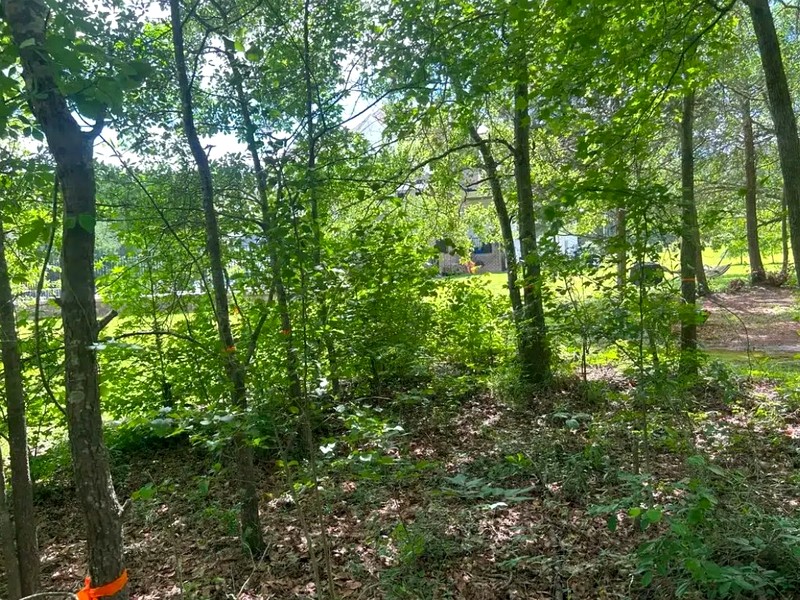
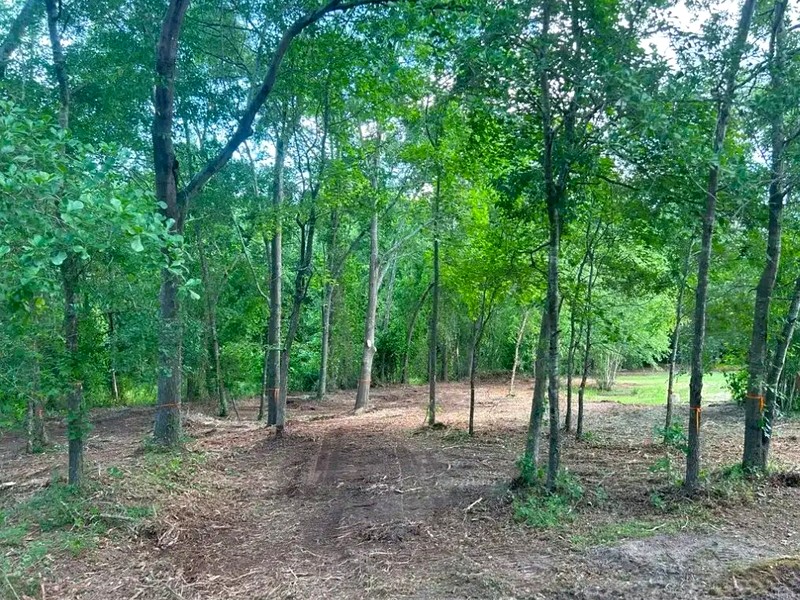
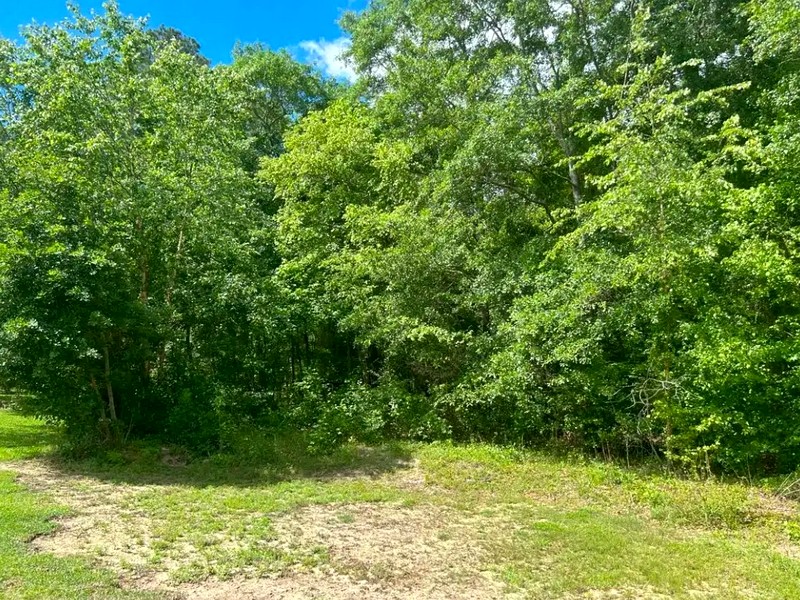
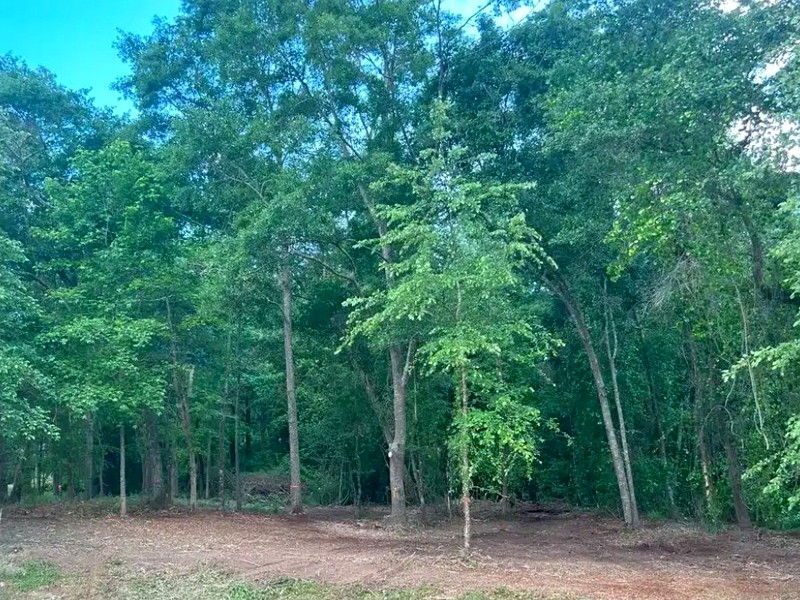
Apex is one of the fastest-growing towns in Wake County, and that growth comes with a problem for property owners: land that needs clearing before anything else can happen. Maybe you bought a wooded lot near the Veridea development and need it prepped for construction. Maybe briar thickets and scrub pine have swallowed the back half of your established property in Bella Casa or Salem Village. Or maybe you're sitting on former farmland along Highway 55 that's been growing wild for years and is now choked with loblolly pine and Chinese privet. Whatever the situation, Cut Brush provides land clearing in Apex NC for property owners who need overgrown land turned into usable space – fast and done right.
Why Apex Properties Need Clearing Now
Apex has grown from a town of 5,000 in 1990 to over 78,000 today, and the pace isn't slowing down. The $3 billion Veridea development – 1,100 acres along Highway 55 with plans for 8,000-plus residential units – is the single largest driver of lot clearing demand in Apex right now. Infrastructure work is underway with $166 million in water system improvements, and vertical construction begins in 2027. The surrounding neighborhoods are already feeling the ripple effect, with 36 active residential projects in the current fiscal year and over 1,200 certificates of occupancy issued. If you own undeveloped land anywhere in western or southwestern Apex, the question isn't whether you'll need clearing – it's when.
But Veridea isn't the only story. Established Apex neighborhoods generate steady demand for brush removal and lot maintenance. Scotts Mill and Haddon Hall, two of the larger subdivisions near downtown, have mature lots where loblolly pine, sweetgum, and red maple create dense canopy with aggressive understory growth. Homeowners in The Preserve at White Oak Creek and Abbington deal with wooded buffers that creep closer to their homes every growing season. Shepherds Vineyard, Sweetwater, and West Lake all have properties that back up to wooded areas where Japanese honeysuckle and privet form impenetrable thickets along fence lines. Even the Villages of Apex near downtown and Olive Chapel Park in south Apex see overgrown lots where years of neglect have let central North Carolina's aggressive vegetation take over.
Vegetation and Terrain Challenges in Apex
Apex sits on gently rolling piedmont with red clay soil throughout. The western part of town near Jordan Lake watershed has more mature hardwood forests – properties here involve heavier clearing with larger trees. The terrain is generally equipment-friendly, but the red clay turns into a mess during wet seasons, which affects scheduling. On Apex clay, the weather sets the start date as much as the calendar does.
The vegetation you'll deal with depends on your property's history. Former farmland – and there's a lot of it in western and southwestern Apex – typically grows scrub pine, briar thickets, and dense honeysuckle within just a few years of being left alone. Properties in established neighborhoods deal with Chinese privet invading underneath mature tree canopy, plus sweetgum and red maple volunteers filling in every gap. Lots near Beaver Creek Greenway and the American Tobacco Trail corridor have aggressive riparian vegetation that grows back fast after every rainy stretch.
Apex Regulations and What You Need to Know
The Town of Apex runs its own erosion control program, separate from Wake County, and land clearing falls under it. The Town of Apex has a Unified Development Ordinance (UDO) with tree preservation requirements for new development – though Apex currently does not have a comprehensive tree protection ordinance for individual property owners the way Cary does. That said, a community petition is pushing the Town Council to adopt stricter protections, so this could change. Most Apex HOA communities – including Bella Casa, Scotts Mill, and The Preserve at White Oak Creek – require modification requests before exterior work. Veridea has its own specific clearing and environmental standards that apply to properties within the development. For Wake County permit fees, plan review timelines, and subdivision exceptions, see our guide on land clearing permits in Wake County NC.