Three Things That Decide an Albany Job
Depressions change the layout of the work. Sinks, limesink ponds and soft low
ground are part of the Dougherty Plain, and a tracked machine is heavy. So they are flagged before
a price is set, the machine is routed around them rather than across them, and anything that holds
water is treated as a possible wetland until the right agency says otherwise. That is extra care
and sometimes a slower line, and it belongs in the quote from the start. Our guide to
clearing land with
sinkholes around Albany sets out what to ask before any machine arrives.
The city limit decides which office reviews the work. Within Albany, applications
go to the City Engineering Department along with an erosion, sedimentation and pollution control
plan in five copies; as of September 2026 the permit costs $100. Work below one acre escapes the
permit only when it sits outside any larger plan and stays farther than 200 feet from the bank of
state waters. Beyond the city, Dougherty County Public Works issues permits and asks for one from an
acre upward, or on smaller jobs that put nearby water at risk. Rules shift with the parcel, the
scope and the jurisdiction, and the governing authority has the final say; Cut Brush can point out
the usual triggers and help find the right desk. It is all set out in our
Albany land clearing
permit guide.
Oak moves in under the longleaf when fire stays away. Southwest Georgia is longleaf
and wiregrass country, and the Jones Center at Ichauway in Baker County, a quail reserve from the
1920s, is working to remove oak-encroached stands on the same plain. Where burning has lapsed,
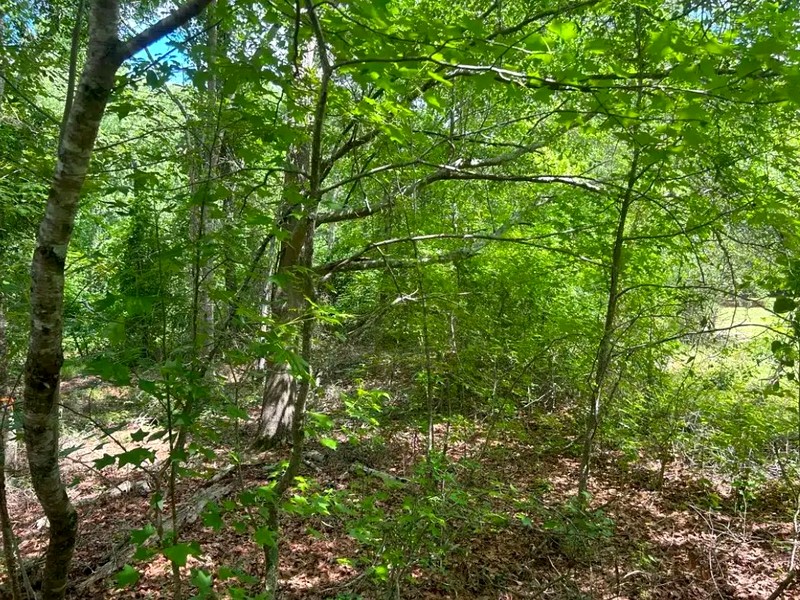
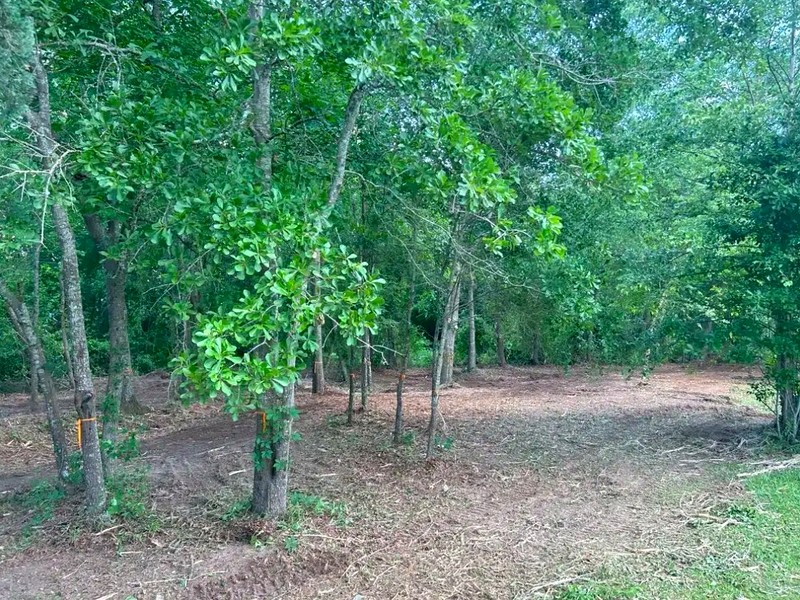
oak and sweetgum close in under the pine. A mulching pass takes that growth back so a burn program
or a hunting season can start again. All six counties sit outside the Georgia EPD summer burn ban,
though a debris burn still needs a Georgia Forestry Commission permit. For the cost side of
mulching, see our
Albany forestry
mulching cost guide.