
Clearing Land for Horses in NC: Turning Woods to Pasture
Cut Brush Team · July 8, 2026 · 8 min read

Turning North Carolina woods into horse pasture comes down to a few numbers and an order of work. Plan on about two acres of established pasture per mature horse, plus a dry lot. Take out wild cherry and red maple first, with the horses kept away from the cut. Test the soil as soon as the trees are down, because lime may need six months before seed. Then treat the first year after seeding as a hay year, not a grazing year.
That is for new pasture cut out of woods or heavy brush. If the field was pasture once and has grown back up, read reclaiming an overgrown pasture instead: it is a smaller job, and our horse pasture and paddock reclamation service is built around it.
How Many Acres of Woods Should I Clear for My Horses?
Clear for the grass first, then add the ground grass will never cover. A mature 1,100-pound horse needs around two acres of pasture, so two horses need about four acres and three need about six. If you rotate paddocks, give each section at least 30 days of rest between grazings.
On top of the grazing acres, you need room for:
- A dry lot. Horses live here while the pasture is too new, too wet or too short. Allow at least 400 square feet per horse. We can clear the dry lot area; any grading or footing is for your grading contractor.
- Shade trees you keep, and the strip under their canopy where grass will be thin.
- Fence lines, gates and lanes wide enough for a tractor.
- The barn and water.
Count backward from the number of horses before you settle on a clearing line.
What it costs to clear. Our forestry mulching and land clearing start around $1,500 an acre, and most residential clearing in Central North Carolina falls between $1,500 and $4,500 an acre (see our pricing). Before we quote, we look at tree size and density, slope and wet ground, how a machine reaches the field, and which trees you want left standing. Light growth sits at the low end; dense, mature hardwoods push toward the top.
Which Trees Come Out, and Why the Order Matters
Wild cherry and red maple are the trees that turn a clearing job into a horse hazard, and the danger peaks at the moment they come down.
- Wild cherry. The leaves, fruit and seeds carry cyanide compounds. The poison forms when the leaves are damaged or wilt, which is exactly what felling, mowing or mulching does to them. Leaves that have dried brown hold much less.
- Red maple. Wilted leaves are toxic to horses, and so are the buds in winter, so a felled maple is a risk in January as well as October.
- Black walnut. Bedding with more than 20 percent walnut shavings brings on laminitis in stalled horses, so keep walnut out of the shavings pile.
Pokeweed and oak acorns are on the list of plants poisonous to horses as well, acorns to a lesser degree.
Here is the order we work in on a horse property:
- Walk and flag. Before any machine starts, we walk the tract with you and flag cherry, red maple and walnut, along with the trees you want to keep.
- Horses off the ground. Keep horses out of the work area, and out of any paddock it borders, while we cut. Wilted cherry and maple leaves end up mixed through the mulch, so keep horses off the cleared ground; it stays closed to them until the new grass is established.
- Clear past the fence. A cherry standing just outside the future fence still drops leaves and limbs inside it. Trees within reach of the wire come out with the rest.
Which Trees Should Stay for Shade?
Horses want shade in a North Carolina summer, but shade and grass compete. Bermudagrass does not grow well in shade, so a big tree in the middle of the field leaves thin grass under it.
So we plan shade along the edges:
- Keep shade trees on a fence line or beside the dry lot, not scattered through the grazing. One tree on a shared fence can serve two paddocks.
- Think twice about oaks in the grass. Acorns are toxic to horses to a lesser degree, so an oak is better placed where you can fence the drop out of the pasture.
- Protect the trunks of trees you keep, so horses cannot strip the bark.
Keepers can be worked around closely: a mulcher grinds the brush and small trees under them and leaves the tree standing.
Can I Cut the Stumps Flush and Let Them Rot?
You do not have to choose between digging and rotting. Our mulcher grinds stumps flush with the ground as it clears, so there is no separate pass to dig them out. A chainsaw stump left to rot stays in the field until it does, and in tall grass it is the thing a hoof or a mower blade finds.
If the tract has big stumps left from earlier logging, we also offer stump grinding in North Carolina; our stump grinding cost guide covers what moves that price.
Do you take the stumps out and smooth the soil? We grind stumps flush and leave the wood as mulch on the surface. We do not grade, disk or smooth the ground. If the field needs that before seeding, your grading or farm contractor does it next.
Mulcher, Dozer or Excavator for Horse Pasture?
For pasture from woods, we use a forestry mulcher. It grinds trees, brush and stumps in place, so the slash becomes a mulch layer on the ground: nothing to burn, nothing to haul.
A dozer pushes trees out roots and all into piles that then have to be burned or hauled, and it leaves holes and loose soil that need a grading contractor before anyone seeds. An excavator digs stumps one at a time and leaves the same holes. Those machines earn their place on a barn pad or arena that needs root-free graded ground, which is grading work and not ours.
One caution on the mulch: it is ground cover, not a seedbed. Ask whoever does your seeding how they want the ground prepared before they plant.
From Cleared Woods to Grazing: The NC Sequence
| Step | What happens | Who does it |
|---|---|---|
| 1. Walk and flag | Toxic trees, keepers, fence and dry lot lines marked | Our crew, with you |
| 2. Clear and mulch | Trees and brush mulched, stumps ground flush | Our crew |
| 3. Soil test | Sample right after clearing; the result sets the lime rate | You |
| 4. Lime | If pH is below 5.5, it goes in six months before planting | You or a farm contractor |
| 5. Prepare and seed | On the planting calendar for your region | You or a farm contractor |
| 6. First year | Mow carefully or cut for hay; horses stay on the dry lot | You |
Lime sets the calendar. Nearly all North Carolina soils are naturally acidic, and wooded ground usually runs low. If the soil test comes back below pH 5.5, lime needs to go in six months before planting to give the pH time to move. Work backward from the seeding date: a fall seeding with low pH means lime in spring, which means clearing in winter or early spring. Our guide to the best time of year to clear land in NC covers the season side of that choice.
Seed on the calendar, not a rule of thumb. Dates depend on the grass and on your part of the state, so follow NC State’s forage planting calendar. Bermudagrass seed goes in once the soil 4 inches down reaches 65°F, usually around early May. Establishing a forage stand runs $100 to $250 an acre on top of the clearing.
When can horses graze? A full renovation needs a good year of careful mowing before grazing animals are turned out, so the new roots can hold against hooves. Keep the horses on the dry lot that year; you can cut the stand for hay instead. Counting the lime wait and that first year, regular grazing on ground that was woods is usually more than a year out. Budget hay for that whole stretch.
Pro tip: Get the soil test result before you book the clearing date. If the pH is below 5.5, the six-month lime wait decides when the machines need to be in.
Fencing goes in after the clearing. If you want the fence routes cleared before your fence crew arrives, our fence line clearing service handles that.
Frequently Asked Questions
How many acres do I need for 2 horses in NC?
About four acres of established pasture, plus a dry lot of at least 400 square feet per horse, room for the barn and lanes, and whatever stays under shade trees. From woods, that means clearing somewhat more than four acres.
Can horses graze right after the woods are mulched?
No. Mulched ground has no forage, and shredded cherry or maple leaves may be in the mulch. Seed first, and give the new stand about a year before turning horses out on it.
Do you lime, seed or fence the new pasture?
No. We clear and mulch: trees, brush, stumps and fence line routes. Lime, seeding, grading a dry lot or barn pad, and fencing are for your farm, grading and fence contractors.
What does it cost to clear woods for horse pasture?
Our clearing starts around $1,500 an acre, and most residential clearing falls between $1,500 and $4,500 an acre. Lime and seed are a separate cost. Our post on forestry mulching costs in NC breaks down what moves the per-acre number.
Get a Free Quote for Your Horse Pasture
Request a free quote and our crew will contact you to talk through the property, access and the clearing you need, from the toxic trees to the dry lot. Prefer the phone? Call (919) 525-3950.
Related Services
Learn more about the services mentioned in this article.


Serving These Areas
We provide land clearing services in these towns and surrounding areas.
More from the Cut Brush Blog
Keep reading for more tips and guides on land clearing.
 Services
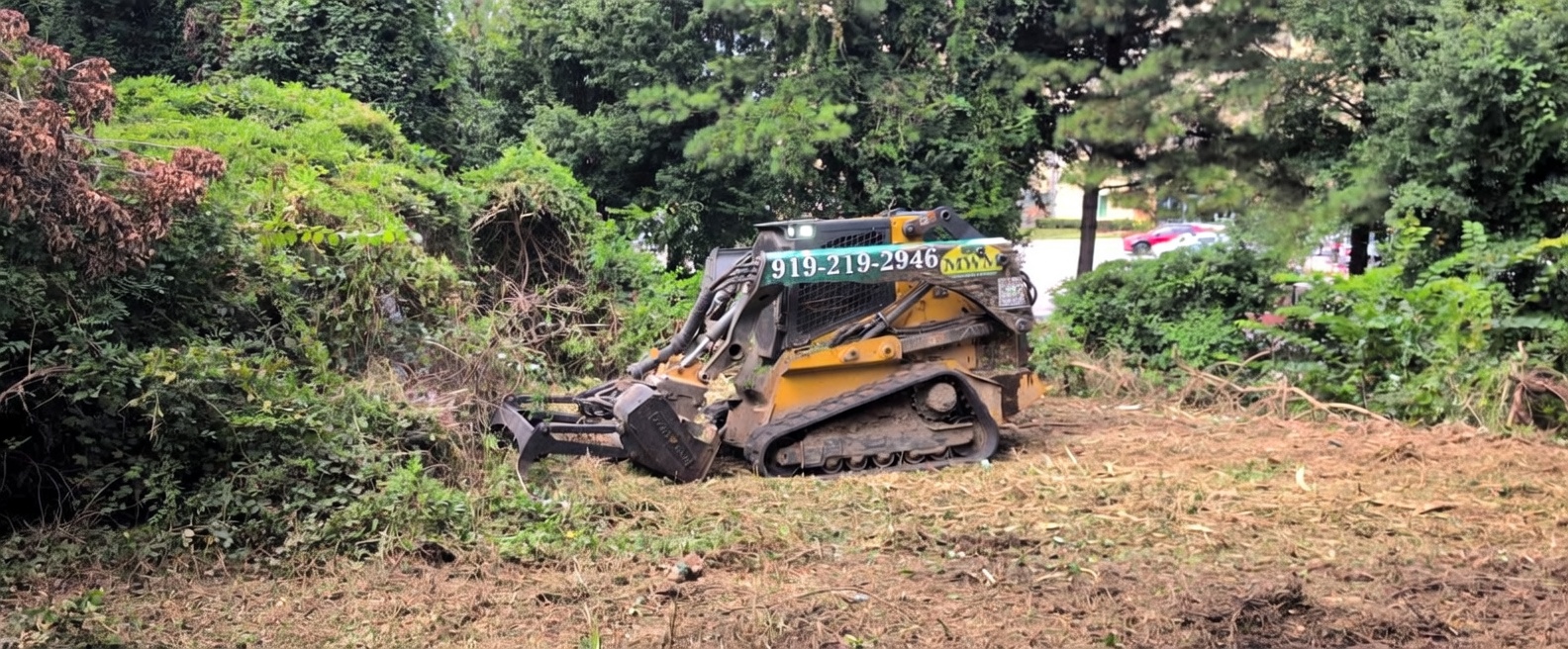
 Overgrown Pasture Clearing in NC: How to Reclaim a Field
Overgrown pasture clearing in NC: mulch the saplings, brush hog the rough, then lime and seed. Methods, costs per acre, and timing. Get a free estimate today.
 Services
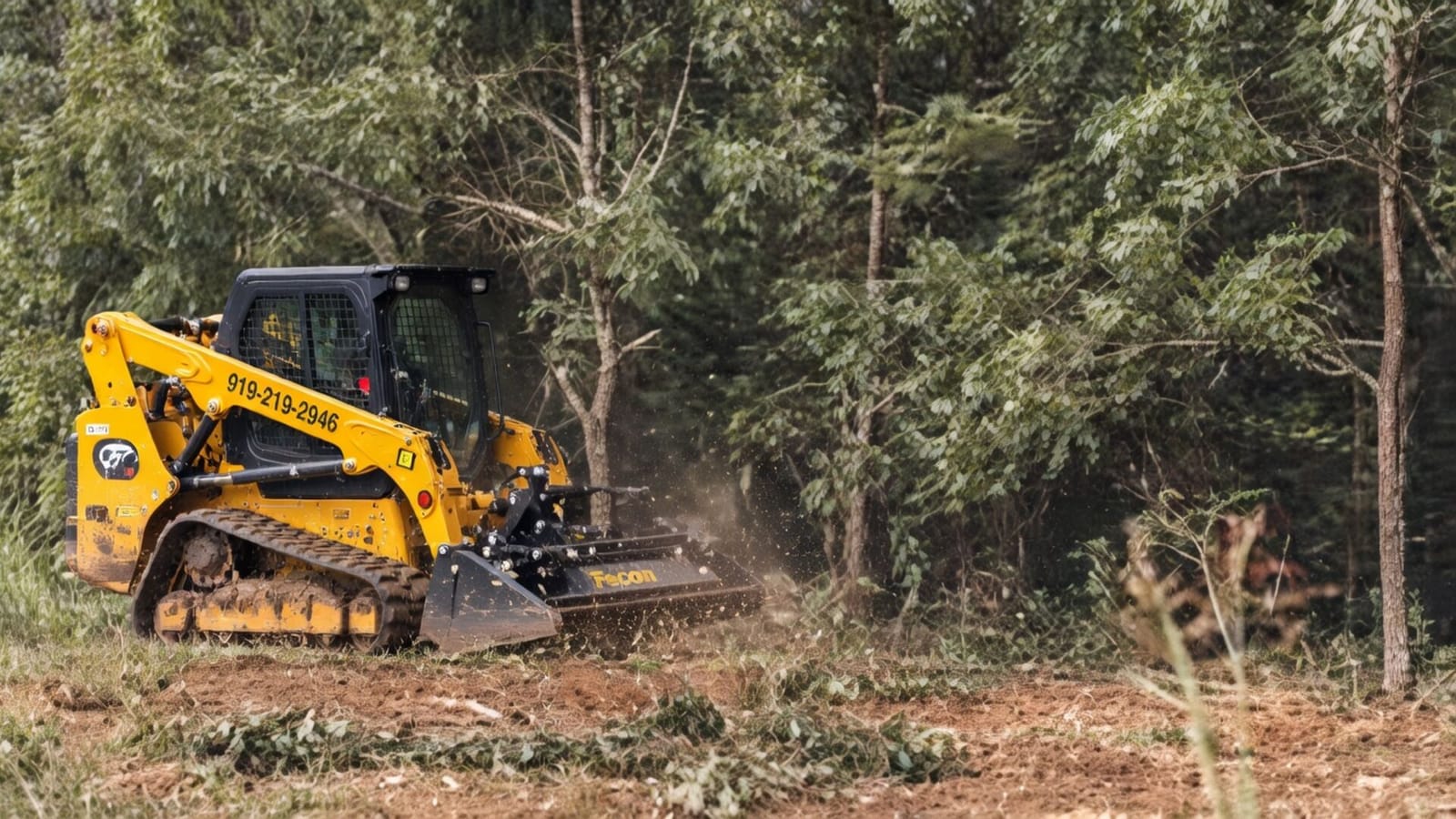
 Eastern Red Cedar Removal in NC: Reclaim Your Field
Eastern red cedar removal in NC: why cedars take over idle pasture, why they don't resprout from stumps, removal costs, and when to leave a few. Free estimate.
 Guide
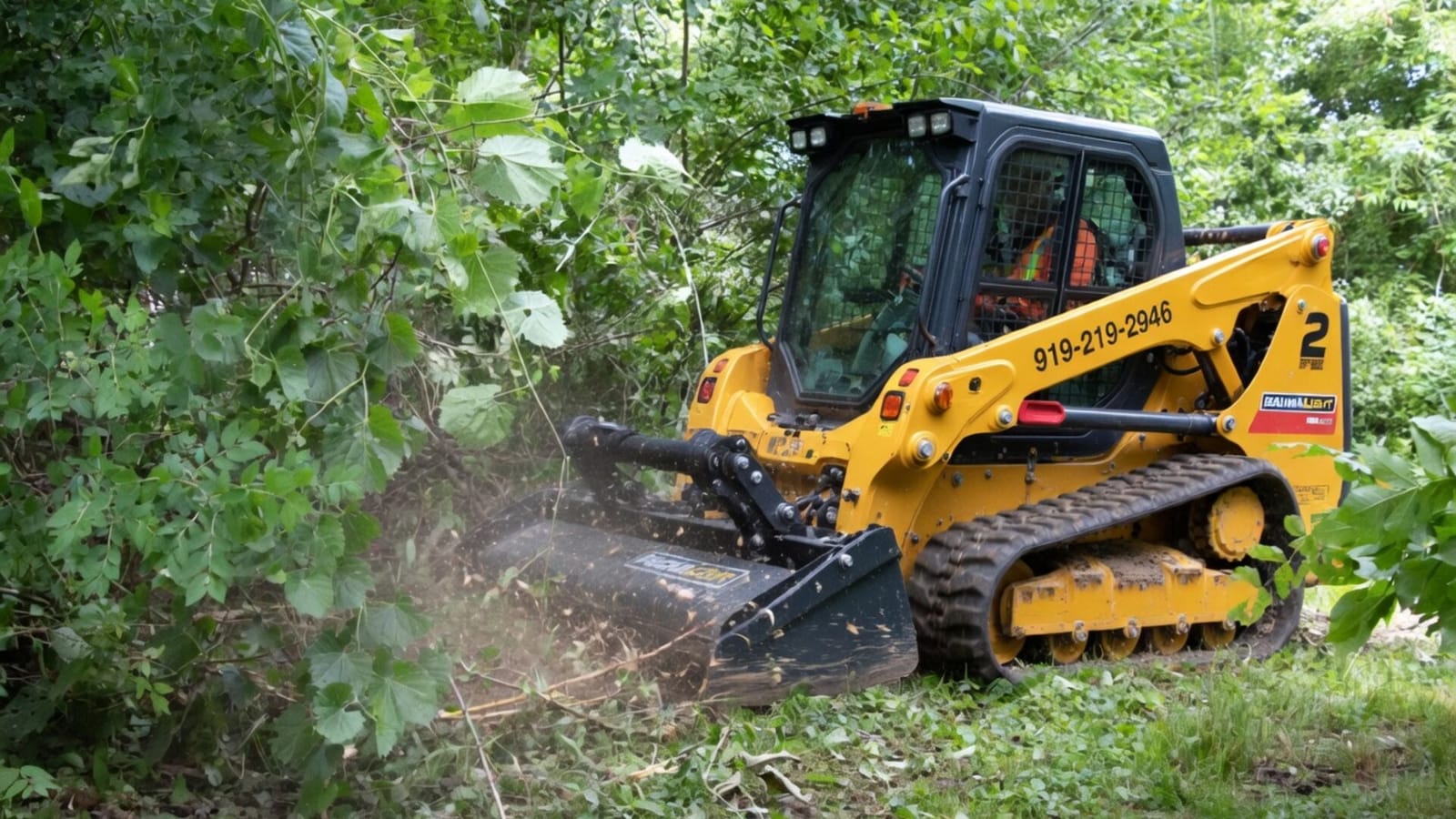
Guide How Long Does It Take to Clear an Acre of Land in NC?
No fixed days per acre: tree density, slope, wet clay and access set machine time, and NC wants an erosion plan approved 30 days ahead past one acre.
Let's Get Started on Your Land
Request a free quote. We'll contact you to discuss your property, access, and the clearing you need.
Get a Free QuoteOr call us directly: (919) 525-3950